One bike, one helmet, one big slice of Uganda to pedal. This self-guided rental lets you explore beyond bus-window sightseeing, with a bike matched to your body and a short safety briefing before you roll out.
I especially like two things: you get a helmet included in the rental price, and you’re given a high-quality mountain bike sized to your body length. The main thing to consider is support: guiding isn’t included, and you’re also not provided with extras like a bag, spare tube, or pump.
In This Review
- Key things to know before you rent
- Why Kampala is a great base for cycling your own way
- Bike fitting and the helmet briefing: where safety actually starts
- What you get (and what you don’t) when you rent
- The practical implication for your packing
- Pickup, meeting point, and how your day starts
- Choosing your ride length: from a Kampala weekend to longer adventures
- If you’re doing a 1–2 day cycling session
- If you’re doing a multi-day grind
- Where cycling in Uganda can surprise you (in a good way)
- Practical gear you should bring (because they don’t)
- Riding smart: safety basics for a self-guided bike
- Price and value: what $35.75 really buys you
- The vibe check: who this rental suits best
- Should you book this Kampala bike rental?
- FAQ
- How much is the bike rental?
- What’s included in the rental price?
- Is a guide included?
- Do they provide pickup?
- Where do I start and where do I return?
- What happens if the weather is bad?
Key things to know before you rent
- Off-road-friendly setup in Uganda: This is built for dirt roads and the kind of terrain that rewards a mountain bike.
- Bike sized to you: They match the bike size to your body length, which makes control easier from the first turn.
- Helmet included: Safety is taken seriously, and you won’t have to source one last minute.
- Self-guided by design: You’ll get a briefing and tips, then you ride your own plan.
- Pickup can be arranged: If you want less hassle on the ground, ask about pickup when you book.
Why Kampala is a great base for cycling your own way
Kampala is a smart starting point because it’s close to the kind of roads that make cycling fun: a mix of paved stretches, rougher edges, and plenty of dirt-track detours once you know where you want to go. With this rental, you’re not stuck watching the world from behind glass. You’re moving through it—slow enough to notice life along the way, fast enough to feel momentum.
What I like about this style of trip is the freedom. You can spend your time where you feel like stopping: a neighborhood roadside scene, a view from a higher stretch, or a moment when the day turns into something better than your original plan. That is the whole point of renting a bike here: you control the pace, the route decisions, and how long you linger.
And Uganda rewards that kind of attention. The country is often described as excellent for off-road cycling, and that matters because your tires, your bike geometry, and your confidence all come into play once the road surface changes. A mountain bike is the right tool for that job.
You can also read our reviews of more cycling tours in Kampala
Bike fitting and the helmet briefing: where safety actually starts
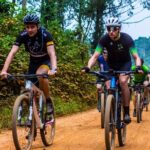
Good cycling in rugged places starts before you move. You’ll get one of their high-quality mountain bikes, and it should be sized to your body length. That detail matters more than people think. A bike that fits right means:
- better reach to the bars
- more stable handling when the surface gets uneven
- less strain on your back and arms after a couple hours
On top of the fitting, they include a helmet in the rental price. You’re also given a short briefing on how the bicycle can be used, plus practical tips and tricks to help you ride confidently.
Here’s the reality: a helmet won’t stop every mistake, but it changes the stakes. If you’re cycling in a place where road conditions can shift quickly, wearing a helmet is the simplest way to make your adventure safer without turning it into a chore.
One more smart note from the experience data: they pay attention to rider height so the bike fits properly. If you’ve ever ridden a bike that was technically the right size but felt wrong in the first five minutes, you already know why this is a big deal.
What you get (and what you don’t) when you rent
This is the “clarity beats guesswork” part. Here’s what’s included:
- Use of the bicycle
- Use of a helmet
Nothing else is included. The rental does not include guiding, insurance, or other equipment like bags, a spare tube, or a mini pump.
That doesn’t make the rental bad. It just means you need to plan like an independent cyclist. Think about what you’ll carry, what you can fix quickly, and how you’ll handle the small problems that pop up during off-road rides.
The practical implication for your packing
Since you’re not provided with spare parts or transport gear, you should plan for at least the basics. If you want your day to stay smooth, bring what you need to handle a flat and to keep essentials with you. Even a simple handlebar or frame setup can make a big difference in how comfortable you feel out there.
Pickup, meeting point, and how your day starts
Your start (and end) point is Red Dirt Uganda on Nanjala Rd, Kampala. This activity ends back at the same meeting point, so you’re not signing up for some one-way journey where you wonder how you’ll get back.
The experience also offers pickup, and it lists that you’re near public transportation. That combo is helpful in two ways:
- If you’re staying somewhere that’s a hassle to reach by taxi, pickup can reduce stress.
- If you’re moving around Kampala independently, being near public transport helps you stay flexible.
Timing-wise, the service hours run 9:00 AM to 6:00 PM, Monday through Sunday. So build your cycling plans around daylight and those hours—especially if you’re renting for multiple days and want to avoid last-minute returns.

Choosing your ride length: from a Kampala weekend to longer adventures
The rental duration range is wide: you can rent for 1 day up to 90 days. That’s a huge flexibility window, and it changes how you should think about value.
If you’re doing a 1–2 day cycling session
You’ll mostly be testing the setup and getting comfortable with the feel of Uganda roads. Your goal can be as simple as:
- short off-road loops where you can practice braking and scanning ahead
- exploring nearby areas and learning what surfaces you like
- enjoying the culture up close without exhausting yourself
If you’re doing a multi-day grind
Longer rentals shift the focus to planning. Without guiding included, you’ll want your route logic sorted: where you’ll stop, where you’ll sleep, how you’ll manage food/water, and how you’ll avoid getting stuck if conditions change.
Also, the provider’s broader cycling work suggests they’re used to structuring cycling routes across different terrains. Even if guiding isn’t included in the base rental, you’ll likely get useful practical tips in the briefing. For longer trips, those tips can be the difference between a route that feels doable and one that turns into stress.
Where cycling in Uganda can surprise you (in a good way)
Uganda’s cycling character is shaped by terrain and road surfaces. Off-road can mean dirt tracks, gravel edges, and stretches where traction changes quickly. That’s why this experience is built around a mountain bike and why the briefing is part of the deal.
A few “expect this” realities you should keep in your head:
- You’ll likely spend a lot of time paying attention to the ground, not just the view.
- Dirt and gravel can be forgiving when conditions are dry and more slippery when they’re not.
- Small adjustments—slower starts, smoother braking—add up fast.
The payoff is that you get closer to everyday life. Cycling is slower than driving, but faster than walking. You feel the rhythms: how people move, how the environment shifts through the day, and how quickly the vibe can change from one road segment to the next.
Practical gear you should bring (because they don’t)
Since bags, spare tube, and a mini pump aren’t included, don’t treat this like a full tour kit. Treat it like bike rental with a safety add-on.
Here’s what you might want to bring so you’re not stuck improvising:
- A small way to carry essentials (even a simple bag solution)
- A spare tube and a method to inflate it (a mini pump or similar)
- Water and snacks so you’re not relying on roadside convenience
- Simple maintenance basics like tire tools, if you know how to use them
You don’t need to overpack. But in off-road cycling, one missed item can turn a pleasant ride into an annoying detour.
Riding smart: safety basics for a self-guided bike
The experience includes a helmet and a briefing, which is great. Still, self-guided cycling means you’re responsible for your own pace and route choices.
A few safety habits that keep you in control:
- Start slower than you think you need for the first 20–30 minutes.
- Keep your eyes moving: look farther ahead than the wheel in front of you.
- On rough surfaces, use smoother inputs. Jerky steering and sudden braking can cause loss of traction.
- If weather shifts, adjust your plan. Off-road riding can get slick, and the best move is often to shorten or reroute.
Also note: the experience requires good weather. If the conditions are poor, your rental might be moved to another date or refunded. So if your trip is flexible, build in wiggle room.
Price and value: what $35.75 really buys you
At $35.75 per person, this rental can be strong value because you’re not just paying for a bike. You’re paying for a fitted mountain bike and a helmet included—plus the time spent on a short briefing so you can ride safely and comfortably.
The biggest way to judge value is to compare what you’d otherwise have to do yourself:
- Source a suitable bike that fits you well
- Find a helmet
- Figure out how to ride off-road terrain safely without local tips
If you’re staying in Kampala and want an active day that doesn’t depend on a tour schedule, renting often beats passive sightseeing for pure time spent experiencing Uganda.
One more money note: since guiding, insurance, and spare equipment aren’t included, factor in what you’ll need to bring or arrange. If you already travel with basic cycling gear, the price becomes even easier to justify.
The vibe check: who this rental suits best
This bike rental is a good match if you like autonomy. You’ll probably enjoy it most if you:
- want off-road cycling without locking into a group pace
- can handle planning your own route and stops
- are comfortable riding with only a briefing and practical tips
- prefer getting close to daily life rather than staying inside a vehicle
Most travelers can participate, but your comfort level with independent cycling will matter more than anything else. If you’re brand-new to off-road rides, ask for as much guidance as they can provide during the briefing—then ride within your limits.
Should you book this Kampala bike rental?
I’d book it if you want freedom with real cycling gear and safety basics handled upfront. The helmet included and the bike fitting to your body length are practical details that make the whole experience feel more trustworthy from day one.
Skip it or think twice if you want a guided, turn-by-turn experience. Guiding isn’t included, and you’re also responsible for extras like bags and basic spare items.
If you’re the kind of traveler who likes to set your own rhythm, pedal into places cars can’t quite reach, and still come back the same day (or keep going for weeks), this rental format fits that style well.
If you want to reduce friction, plan to rent during the 9:00 AM–6:00 PM window, confirm pickup if you need it, and bring at least the basics for riding comfortably off-road.
FAQ
How much is the bike rental?
The price is listed as $35.75 per person.
What’s included in the rental price?
You get use of the bicycle and use of a helmet.
Is a guide included?
No. Guiding is not included.
Do they provide pickup?
Pickup is offered. You can ask about pickup when you book.
Where do I start and where do I return?
You start at Red Dirt Uganda on Nanjala Rd, Kampala, and the activity ends back at the meeting point.
What happens if the weather is bad?
The experience requires good weather. If it’s canceled due to poor weather, you’ll be offered a different date or a full refund.