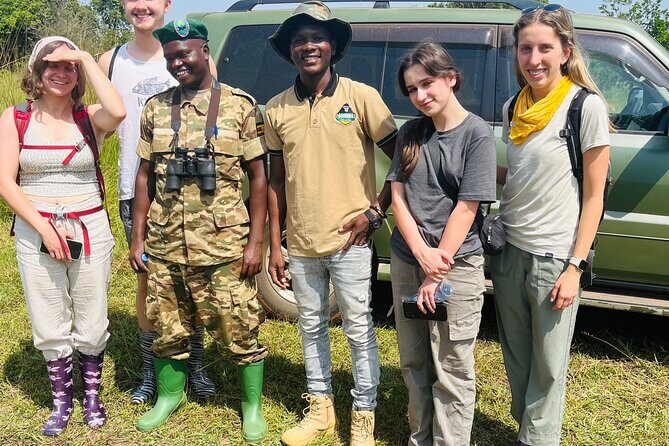
Kampala reads differently on foot. I love having local female guides—they explain what you’re seeing with a calm, human pace—and I love the mix of major monuments and everyday markets so the city feels real, not staged. One note: you’ll be walking for most of the tour, and market streets plus hills can add up if you’re expecting an easy stroll.
This half-day route is also smart value. You pay $20 for a guided city walk that keeps the day’s costs under control with free-entry stops and a small group size (up to 10), so you spend your time looking and learning instead of negotiating tickets or getting lost.
The tour ends where many people want to be after a day of walking: at a coffee shop for a Uganda coffee moment. If coffee (or lunch) is important to your plans, budget a little extra, because coffee and lunch aren’t included.
In This Review
- Key things that make this Kampala walk a good bet
- Price and value: what $20 buys you in Kampala
- Getting ready: timing, route flow, and walking reality
- Meeting point at Cariboo Restaurant and the easy landing at Miss Cafe
- Independence Monument zone: the city’s origin story in monuments
- Nakasero Market and Hindu Temple: real daily Kampala, up close
- Old Taxi Park views and the lunch break that’s actually flexible
- Gaddafi National Mosque and the seven-hills perspective
- Coffee finish at Miss Cafe Kampala Boulevard (and why it’s a smart ending)
- Group size and guide style: what small numbers change
- Who should book this Kampala walking tour
- Should you book this Kampala half-day walking tour?
- FAQ
- How long is the Kampala half-day walking tour?
- What time does the tour start?
- Where do I meet for the tour?
- Where does the tour end?
- How much does the tour cost?
- Is lunch included?
- Is coffee included?
- What entrance fees are included?
- What group size is this tour limited to?
- What should I know about cancellation or weather?
Key things that make this Kampala walk a good bet
- Local women guide the story, with practical context you can actually use as you walk
- Small group size (max 10) keeps questions easy and pacing comfortable
- Free-entry stops keep costs low, with mosque entry handled as part of the planned visit
- Nakasero Market feels like the real Kampala, not a photo stop
- Old Taxi Park viewpoints add a unique angle on the city’s past and change
- A coffee finish at Miss Cafe gives you a relaxed end point right in central Kampala
Price and value: what $20 buys you in Kampala
At $20 per person for about 6 hours, this tour hits a sweet spot: you’re paying mainly for guidance, local perspective, and a route that strings together the city’s most “you can only get this by walking” areas.
Most stops are free-entry attractions, which matters in Kampala. When the day is built around sights that don’t require extra ticket-hunting, your budget stays predictable. The one paid element mentioned for the visit is tied to the mosque stop, while lunch and coffee remain your choice.
You also get something harder to price: a local guide’s way of connecting monuments, markets, and everyday life. In the reviews, Tarjil (also seen spelled Tajirl) stands out for being informative and patient, which is exactly what you want when you’re learning a city while you’re moving.
You can also read our reviews of more walking tours in Kampala
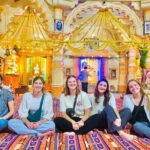

Getting ready: timing, route flow, and walking reality
The tour starts at 9:30 am and runs for about 6 hours. The day is structured in clear blocks—monuments first, then market time, then a lunch pause, then the mosque and craft market, and finally coffee.
Because it’s a walking tour, your comfort matters more than you might expect. Wear closed-toe shoes you can trust on mixed pavement. Kampala mornings can be warm even when the light looks friendly, so bring water and plan to keep moving at a guided pace. The tour also depends on good weather, so if conditions are poor, you might be offered a different date or a refund.
Transport is not included. That’s normal for a walking tour, but it does mean you should plan how you’ll get to the meeting point. If you’re considering ride-hailing, just assume it’s extra cost since private transport isn’t part of the package.
Meeting point at Cariboo Restaurant and the easy landing at Miss Cafe
You’ll start at Cariboo Restaurant on Speke Road in Kampala (Cariboo Restaurant, 8H7J+HM3, Speke Rd). The route ends at Miss Cafe Kampala Boulevard Coffee Shop (Plot 17/19 Kampala Road).
That start-and-finish layout is practical: you’re not stuck with complicated “backtracking” at the end of your day. When you finish at a central coffee shop, you can also switch plans easily—grab lunch nearby if you want, head to another attraction, or just rest with something warm and local.
Independence Monument zone: the city’s origin story in monuments
The tour begins with the big symbolic sights around Kampala’s center: the Independence Monument, Sir Edward Muteesa Monument, the War memorial monument, The Stride monument, the sculpture of Sir Apollo Kagwa, and the Statue of leadership.
This first stop works well because it gives your eyes a reference point before you move into markets and neighborhoods. Monuments can feel like background decoration if you don’t know what they represent. With a guide, you learn the language of the city early, which makes later stops click.
What to watch for here
- Take a few minutes to look at details instead of rushing for photos.
- Pay attention to how different monuments connect to different eras and themes.
- Ask questions about anything you don’t recognize. This is the easiest place to clarify names and meanings.
Possible drawback: because this is the opener, it’s also the most “walking-and-standing” part of the day. If you’re sensitive to standing for a while, you may want to pace yourself and use small pauses to reset.
Nakasero Market and Hindu Temple: real daily Kampala, up close
Next comes a deeper, more human slice of the city: Nakasero Market, the Hindu Temple Nakasero, fabric shops, and the Old Taxi Park area.
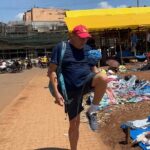
Nakasero Market is where Kampala shows you its working rhythm. You’ll see commercial life, everyday shopping, and the city’s mixture of cultures in the same area. The Hindu temple stop adds a different layer: faith and community space, framed through what your guide explains as you move.
Fabric shops are also a great touch because cloth is practical and personal. Even if you don’t plan to buy anything, it helps you understand what people care about—what’s used, what’s traded, and how daily needs shape the market scene.
Tips that make this stop easier
- Keep your phone protected and your bag secure. Markets attract attention.
- Don’t feel pressured to buy. Looking is part of the experience.
- If you have questions about what you’re seeing, this is a good moment to ask.
Possible drawback: markets can be busy, and walking through them is slower than you think. If you’re prone to getting overwhelmed, focus on one small goal—like learning what each area is used for—rather than trying to process everything at once.
Old Taxi Park views and the lunch break that’s actually flexible
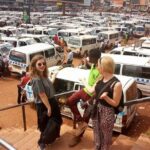
At the Kampala Old Taxi Park, the tour pauses for a short lunch break. Lunch is at your own expense, but you’ll get time for local food, refreshments, and—importantly—better views of the area.
This break is valuable because it turns a “stop” into a reset. After market walking, you can sit, eat, and let the sights settle. Also, Old Taxi Park is special because it’s tied to the city’s transport story and change over time. Even if you’re not a transit-history nerd, it’s the kind of place where the atmosphere tells a tale.
How to use the lunch time well
- Choose food that looks busy with locals. That’s often a good sign for speed and taste.
- If you’re not hungry, still use the break to hydrate and cool down.
- Keep track of time so you’re back for the mosque portion without stress.
Gaddafi National Mosque and the seven-hills perspective
After lunch, you head to Gaddafi National Mosque, described as a must-see with views connected to the seven hills of Kampala. Your guide also shares historical insight into how Kampala gets its name, and this stop includes a look at religion and culture in the city.
This is one of the tour’s best transitions: you go from street-level commercial life and transport history to a landmark that changes how you see the city’s geography and identity. Seven hills viewpoints can be the kind of detail you miss unless someone points it out—and the guide’s explanation makes it easier to remember once you walk away.
After the mosque, you continue to the African village Craft market. This is a more relaxed add-on than the earlier market stop, and it’s a nice way to end the cultural side of the walk before coffee.
One practical consideration: religious sites often have dress expectations and quiet rules. Follow your guide’s cues, keep your movements respectful, and plan to be patient if there are lines or slower moments.
Coffee finish at Miss Cafe Kampala Boulevard (and why it’s a smart ending)
The tour wraps at Miss Cafe Kampala Boulevard Coffee Shop, where you can try uniquely brewed Uganda coffee at 1000 cups of coffee in the heart of Kampala. The tour includes the stop, but coffee and/or tea aren’t included, so you’ll be paying for what you order.
This ending is more than a perk. After hours of walking, coffee is a low-pressure way to slow down, review what you learned, and ask follow-up questions. It also gives you a clear end point—useful if you’re meeting someone later or heading to another activity.
If coffee matters to you, consider ordering something simple (one cup) first. Then you can decide if you want to stay longer or move on.
Group size and guide style: what small numbers change
The tour caps at 10 travelers, and that’s a big deal for a walking route. With a smaller group, you’re less likely to get stuck behind people who move slowly, and your guide can actually answer questions instead of giving only rapid-fire explanations.
The reviews highlight that the guide Tarjil/Tajirl is very informative and patient, and that local perspective is exactly what I look for in a guide. When you’re walking, clarity matters. Patient explanations help you enjoy the day rather than just nodding along while your brain tries to catch up.
Who should book this Kampala walking tour
This tour is a strong match if you want:
- A first-time or return visit to Kampala with a route that ties major sights to everyday life
- A guide-led day that feels local and practical, not only photo stops
- An experience that balances city history, markets, and culture without long museum-style detours
- A manageable group size and mostly free-entry stops to keep the day’s costs reasonable
It may be less ideal if you prefer fully seated sightseeing, want lunch fully included, or can’t handle several hours of walking through market areas.
Should you book this Kampala half-day walking tour?
If you like guided wandering with a clear route, you should book it. The value is real: you’re paying for local direction and interpretation, and most of the stops are free-entry so your money goes toward guidance, not tickets.
My deciding factor would be the combination of local female guiding and the day’s mix: monuments to set context, Nakasero Market to see Kampala at work, the Old Taxi Park for a distinctive angle, then the Gaddafi National Mosque with seven-hills perspective, and finally coffee to close out the day.
Book it especially if you want Kampala to make sense. This kind of city tour works best when someone helps you connect the dots while you’re right there seeing it.
FAQ
How long is the Kampala half-day walking tour?
It runs for about 6 hours.
What time does the tour start?
The start time is 9:30 am.
Where do I meet for the tour?
You meet at Cariboo Restaurant on Speke Road, Kampala (8H7J+HM3, Speke Rd).
Where does the tour end?
It ends at Miss Cafe Kampala Boulevard Coffee Shop, Plot 17/19 Kampala Road.
How much does the tour cost?
The price is $20.00 per person.
Is lunch included?
No, lunch is not included. You’ll have a short lunch break where food is at your own expense.
Is coffee included?
No, coffee and/or tea are not included. Coffee is available at the final stop for you to purchase.
What entrance fees are included?
The tour allows access to free-entry attractions. An admission ticket is included for the Gaddafi National Mosque stop as listed in the itinerary.
What group size is this tour limited to?
The tour has a maximum of 10 travelers.
What should I know about cancellation or weather?
The tour requires good weather. If it’s canceled due to poor weather, you’ll be offered a different date or a full refund. Free cancellation is available up to 24 hours in advance for a full refund.