REVIEW · KAMPALA
6-Day Murchison Falls, Chimp Trekking and Big Game Combo
Book on Viator →Operated by Home To Africa Tours and Travel · Bookable on Viator
Wild rapids, close apes, big game—on one route. This 6-day combo strings together Murchison Falls, Kibale Forest chimp trekking, and Queen Elizabeth’s Kazinga Channel boat trip, with practical drive times that don’t waste your days. I especially like how the itinerary builds in your first major wildlife “win” en route via rhino tracking, then keeps the pace moving without turning the trip into a checklist.
Two things I’d bank on for a great trip: first, you get time at the falls from both the water and the viewpoint side, so Murchison feels real instead of rushed. Second, chimp trekking is handled with a briefing and a set one-hour window once you find them, which helps you plan your day and expectations. One consideration: the schedule is full and the chimp trek and possible falls hike mean you’ll want a moderate fitness level and a good attitude toward early starts and rougher roads.
In This Review
- Key Highlights Worth Planning For
- The Big Picture: A Route Built Around Three Wildlife Zones
- Value and Price: What $2,876 Is Covering (and What It Isn’t)
- Day 1 to 2 in Murchison Falls: Rhino Tracking, Savanna Game, and the Falls
- Day 3 Transition to Kibale: Moving on Without Losing Momentum
- Day 4 Kibale Chimp Trekking: Rules Briefing at 8:00am and the Reality of an Hour
- Day 5 Queen Elizabeth: Game Drive in the Morning and Kazinga Channel by Boat
- Day 6 Exit Through Entebbe: Optional Detours If Time Allows
- Lodges and Comfort Level: Practical Bases for Long Wildlife Days
- Transport and Guide Support: Why a Strong Driver/Guide Changes Everything
- Who This Tour Is For (and Who Might Want a Different Plan)
- A Few Practical Tips Before You Go (Based on How the Program Runs)
- Should You Book This 6-Day Murchison-Chimps-Queen Combo?
- FAQ
- Where does the tour start?
- How long is the safari?
- What locations and parks are included?
- What big-cat or large-animal activity is included on the way to Murchison Falls?
- What happens on the chimp trekking day?
- Are boat or launch trips included?
- What meals are included?
- Is air fare included in the price?
- Is the tour private?
- Is a visa required?
Key Highlights Worth Planning For
- Rhino tracking detour at Zziwa Rhino Sanctuary: an hour of tracking experience before you even reach Murchison.
- Murchison Falls base-launch and optional top viewpoint: you get both the roar and the perspective.
- Kibale chimp trekking with rules briefing: start time is set at 8:00am, then you get up to one hour with the chimps.
- Kazinga Channel boat trip: a different way to see wildlife than a game drive.
- Full-time English-speaking driver/guide plus 4×4 comfort: helps with spotting, navigating, and keeping the day on track.
- Past praise for smooth organization and professional guidance: people like Hedmond, Karim, and Vianney show up in client feedback.
The Big Picture: A Route Built Around Three Wildlife Zones
This safari is built like a loop through Uganda’s top wildlife areas: Murchison Falls National Park, then Kibale Forest National Park (chimp country), and finally Queen Elizabeth National Park for water-and-safari action. You start in Kampala, then spend your days chasing sightings and your evenings resetting in lodges chosen to keep you close to the next day’s activities.
What makes the combo smart is the variety of habitats. Murchison gives you savannah-style game viewing and the dramatic falls. Kibale is about forest behavior and close-up primate moments. Queen Elizabeth mixes plains wildlife with a boat perspective on the Kazinga Channel, where animals often show up around the water.
You can also read our reviews of more hiking tours in Kampala

Value and Price: What $2,876 Is Covering (and What It Isn’t)
The price is $2,876 per person for a roughly 6-day program, and value comes from what’s included rather than the headline number. You’re covered for all meals and accommodation listed in the itinerary, plus transport in a comfortable 4×4 and a full-time English-speaking driver/guide.
You also get key “time and access” items included, like launch/boat trips, fuel surcharge, and landing/facility fees. On a safari, those fees and transport costs add up fast—so bundling them matters. Bottled water is included too, which sounds basic until you’re spending long hours on bumpy roads.
Two things to watch for up front: air fare isn’t included, and driver guide gratuity isn’t included. You’ll also pay for anything personal (phone use, bar bills, and drinks other than water), so it’s smart to budget for that early rather than at the end.
Day 1 to 2 in Murchison Falls: Rhino Tracking, Savanna Game, and the Falls
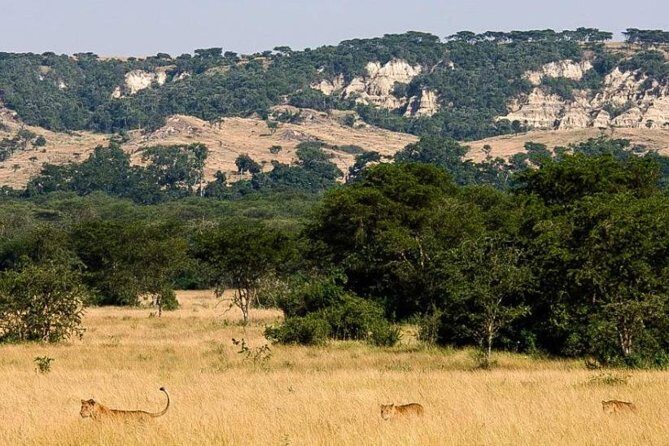
Your safari begins with a drive out of Kampala toward Murchison Falls National Park, but the trip doesn’t wait until day two to start the wildlife. There’s a detour at Zziwa Rhino Sanctuary for rhino tracking, with an hour of tracking time. If you’re hoping to see big animals without waiting for the first day’s full park drive, this is a strong start.
That detour also sets the tone for the whole safari: you’re not just “transported,” you’re actively doing wildlife activities early. The driving is paired with scheduled stops, and that matters because it keeps the day from feeling like dead time on the road.
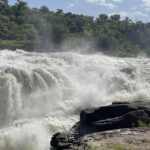
For day two, you’re looking at a morning game drive in the northern section of Murchison, where savannah wildlife concentration is higher. Then you shift to the highlight for many people: the launch trip to the base of the falls. Murchison’s power is the kind of thing you understand better with your ears than your eyes—so being at the base is a practical advantage, even if you’ve seen photos before.
You also have an optional hike idea for day two to reach the top of the falls if you like. That’s worth considering if you want views over the roar, but if you’d rather preserve energy for Kibale’s chimp day, keep your pace realistic.
Accommodation on these days is at Pakuba Safari Lodge, which helps you stay inside the rhythm of the park rather than spending extra time commuting.
Day 3 Transition to Kibale: Moving on Without Losing Momentum
Day three is where the safari changes gears. After breakfast, you either go for that falls viewpoint if you didn’t do it the day before, or you head straight to Kibale Forest National Park.
This “either-or” matters because you get flexibility without the whole day becoming unpredictable. If you’re chasing that extra view, you can spend time on it; if you want to prioritize chimp trekking success, you can reduce fatigue by getting to Kibale earlier.
The move from Murchison to Kibale is part of the value of a combo trip. You’re trading the “rest day” for more wildlife variety, and the itinerary tries to keep the handoff smooth with scheduled meals and planned transport.
You’ll sleep at Chimpanzee Forest Guesthouse, which is a practical choice for a chimp trek-focused itinerary. It’s the kind of location that can cut down friction the morning you need to be ready early.
Day 4 Kibale Chimp Trekking: Rules Briefing at 8:00am and the Reality of an Hour
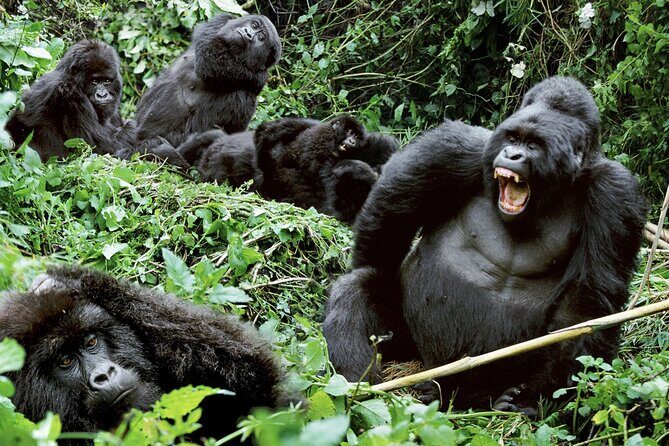
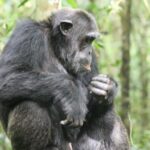
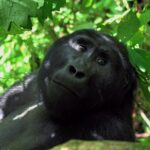
Chimps are the emotional centerpiece here, and the tour handles the day with structure. The trek begins at 8:00am with a briefing on the rules you must follow while trekking and once you’re near the chimps. That part is not filler. It’s what helps keep the chimps comfortable and your group safe.
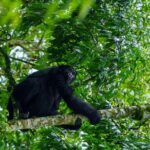
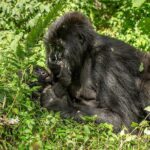
After the briefing, you set off in search of the chimps in the forest. Once you locate them, you get a full one hour with the group. For many people, this “one hour” is the right length: long enough for real observation—body language, feeding behavior, and calls—without dragging on so far that the forest gets harder and harder to enjoy.
Then you return for lunch and head onward to Queen Elizabeth National Park, staying at The Bush Lodge. I like this layout because it doesn’t force you to choose between chimp focus and evening downtime. You get the primate moment, eat, then shift to the next park while daylight still supports game drive or arrival timing.
Based on how staff communication was praised in prior feedback, this is a tour where your driver/guide’s role really matters. A good guide helps you manage the rhythm, keep the group together, and interpret what you’re seeing once you’re in the field.
A few more Kampala tours and experiences worth a look
Day 5 Queen Elizabeth: Game Drive in the Morning and Kazinga Channel by Boat
Day five gives you two different ways to spot wildlife: first on land, then on water. You start with a morning game drive across the park’s plains, valleys, and terraced hills. This is where you’ll get broad views and scan for animals across open areas rather than dense forest.
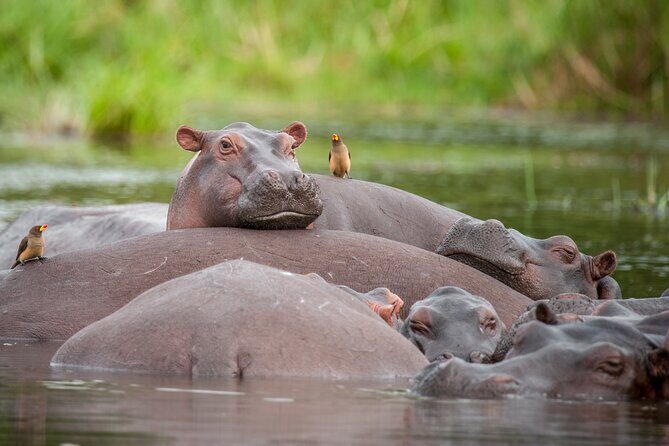
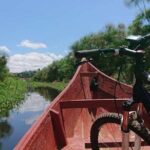
In the afternoon, you switch to the Kazinga Channel boat trip. This is a very different experience because the animals respond to water and movement patterns, and you’re watching from a stable platform. The Kazinga Channel connects Lake Edward and Lake George, and it’s a natural funnel for activity.
If you’re wondering why people get excited about the boat portion, here’s the practical answer: it changes your angle. Even if you had excellent game drive sightings in the morning, the channel often offers new opportunities and more frequent wildlife close to the water’s edge.
The Bush Lodge again is your home base, and having the same accommodation for the whole Queen Elizabeth stretch reduces travel friction inside the park.
Day 6 Exit Through Entebbe: Optional Detours If Time Allows
On day six, you exit Queen Elizabeth for your flight out of Entebbe. The itinerary is flexible based on your departure time, which is helpful when airports and travel days don’t match perfectly with wildlife schedules.
If you have time, you may opt to visit Katwe Salt Lake or do an explosion crater drive before leaving. If your departure is tight, you’ll head straight back after breakfast. That kind of decision point keeps the day from feeling stressful.
Because accommodation on the final day is listed as not provided, you should plan for your last night needs around your flight timing.
Lodges and Comfort Level: Practical Bases for Long Wildlife Days
This safari isn’t marketed as luxury, but it does prioritize comfort where it counts: sleep, meal timing, and proximity to the day’s activities. You stay at Pakuba Safari Lodge in Murchison and The Bush Lodge in Queen Elizabeth, then Chimpanzee Forest Guesthouse in Kibale.
Those choices matter because chimp trekking starts early. You don’t want an exhausting pre-dawn commute. You also want a place that can handle a full day return—quiet, good meals, and a chance to reset your body after walking and driving.
In the feedback you provided, lodges in Murchison and during chimp trekking were described as beautiful. Even with variations in taste, that usually signals you’re not stuck with a bare-bones stopover.
Transport and Guide Support: Why a Strong Driver/Guide Changes Everything
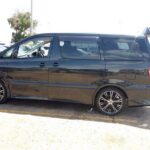
You travel in a comfortable 4×4 vehicle with a full-time English-speaking driver/guide. On safari, that’s more than comfort. It’s spotting support, route judgment, and keeping the plan intact when wildlife and road conditions refuse to follow a perfect timetable.
Prior feedback also highlights responsiveness and organization, including smooth pre-trip communication with people such as Hedmond and warm on-the-ground guidance from Karim and Vianney. Even if your trip has different staff, that pattern is a good sign: the operator seems to understand that a safari lives or dies on field execution.
You’ll also have water provided during the safari, and coffee or tea is included with the meals. Those small items add up on days with early starts and long drives.
Who This Tour Is For (and Who Might Want a Different Plan)
This combo works best if you want three big experiences—falls, chimps, and boat-and-game viewing—without adding more travel days than necessary. It’s also a good fit if you like group energy but still want your own group structure, since it’s listed as private (only your group participates).
You should have moderate physical fitness. That doesn’t mean you need to be an athlete, but it does mean you should feel fine with the reality of forest trekking, possible falls hiking, and uneven terrain.
This is a good match for ages 15 and up, and it’s clearly centered on wildlife rather than cultural stops. If you’re traveling mainly for city life or museum time, you might find the days too nature-focused.
A Few Practical Tips Before You Go (Based on How the Program Runs)
Because the trek and park days are scheduled with early starts and fixed activity windows, it helps to pack for motion and changing conditions. You’ll be in vehicles a lot, then on your feet in parks.
Also, plan your pacing mentally. When you see the chimps, you’ll be focused, and you’ll want enough energy for that full hour and the trek process around it. If you can, avoid treating day-by-day as a race—this kind of itinerary rewards calm attention.
Lastly, if you’re trying to keep costs controlled, remember what’s not included: other drinks besides water, personal items, and gratuity. Budgeting for those early helps you avoid last-day surprises.
Should You Book This 6-Day Murchison-Chimps-Queen Combo?
I’d book it if you want a high-impact Uganda safari with a clear wildlife mix: rhino tracking, Murchison Falls, chimp trekking in Kibale, and Queen Elizabeth game drive plus Kazinga Channel boat. The included transport, meals, and park activities reduce decision fatigue, and the one-hour chimp window is a realistic, well-defined chunk of time.
I’d pause and consider alternatives if you’re sensitive to early mornings, rougher roads, or you prefer a slower pace with more flexible activity time. The trip is packed by design, and that’s great for many people—but not everyone.
If your dream Uganda day includes chimps in forest light and boat views over the Kazinga Channel, this itinerary is built for exactly that.
FAQ
Where does the tour start?
The experience starts in Kampala, Uganda (meeting point listed as Kampala, Central Region).
How long is the safari?
It’s listed as 6 days (approx.).
What locations and parks are included?
The itinerary covers Murchison Falls National Park, Kibale Forest National Park (for chimp trekking), and Queen Elizabeth National Park, with exit in Entebbe.
What big-cat or large-animal activity is included on the way to Murchison Falls?
You’ll stop at Zziwa Rhino Sanctuary for rhino tracking with one hour of tracking.
What happens on the chimp trekking day?
Chimp trekking begins at 8:00am with a rules briefing, and once the chimps are located you’ll have a full hour with them.
Are boat or launch trips included?
Yes. There is a launch trip to the base of the falls and also a boat trip on the Kazinga Channel.
What meals are included?
All meals are included as per the itinerary: breakfast, lunch, and dinner.
Is air fare included in the price?
No. Air fare is not included.
Is the tour private?
Yes. It’s listed as private, meaning only your group participates.
Is a visa required?
Yes, a tourist visa is required.