REVIEW · KAMPALA
Cooking Class for Typical Ugandan Food in Kampala
Book on Viator →Operated by Free Guided Walking Tours Kampala. · Bookable on Viator
Banana leaves and plantains sound better than you think. This half-day Kampala class is a hands-on way to learn Ugandan cooking from start to finish, including how to prep local staples like cassava, yams, pumpkin, and plantains.
I especially love the banana-leaf lessons and native-plant know-how, and how Gertrude’s home-style hospitality makes the whole workshop feel personal rather than staged. The one thing to keep in mind: it runs about four hours and the experience needs good weather, so bring a little flexibility.
In This Review
- Key takeaways before you go
- Kampala’s home-cooking class starts with real prep
- Meeting at Steve Residence, then heading to Nansana
- What you’ll learn: peeling, processing, and building dishes
- The banana-leaf lesson: more than a cooking trick
- Matooke and other vegetarian staples: how the meal comes together
- A home-hosted vibe in Kampala that feels real
- Why the small-group format makes the difference
- Food you can actually cook again at home
- Price and value: $32 for hands-on learning plus a meal
- Weather, timing, and what to expect on the day
- Who should book this cooking workshop in Kampala?
- Should you book it?
- FAQ
- Where does the cooking class start?
- How long is the cooking class?
- What is the group size limit?
- Is the cooking class vegetarian?
- What kinds of ingredients will I work with?
- Do you learn how to make matooke?
- Who hosts the class?
- Is there a confirmation at booking?
- What happens if the weather is poor?
- What is the cancellation policy?
Key takeaways before you go
- Max 10 people: Small group size keeps the class intimate and hands-on.
- Start-to-finish cooking: You peel, slice, and assemble ingredients, then eat what you make.
- Vegetarian Ugandan staples: Expect dishes centered on plant-based foods, including matooke.
- Banana leaves and local plants: You’ll learn how everyday plants show up in cooking and eating.
- Gertrude’s home setting: The class happens in a welcoming home environment, with conversation and stories.
- G-Nut sauce is a highlight: One of the most praised parts of the meal is the class’s G-Nut sauce.
Kampala’s home-cooking class starts with real prep
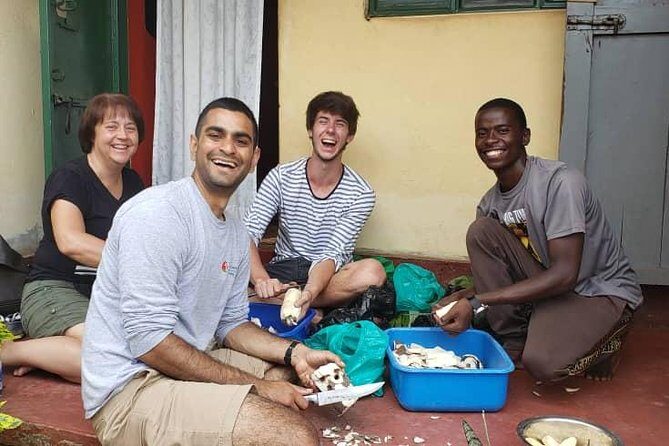
If you want Kampala food without the tourist filter, this is one of the smarter ways to spend half a day. You’re not just watching a cook—you’re doing the work: peeling and slicing common ingredients, then assembling vegetarian staples that you can recreate later.
At $32 per person for about four hours, the value comes from the structure. You get small-group attention (not a big crowd), you get a meal at the end, and you learn techniques—not just recipes. If you’re traveling with a partner or a small crew, this is also the kind of activity where conversation happens naturally, since the group stays small.
This class is also explicitly vegetarian. That’s great if you eat plant-based or want to taste Ugandan cooking beyond meat-heavy dishes. The catch is simple: if you’re hunting for omnivore comfort food, you’ll need to adjust your expectations.
You can also read our reviews of more food & drink experiences in Kampala
Meeting at Steve Residence, then heading to Nansana
The experience begins back at the meeting point near public transportation: Steve Residence, Little Muheji School Rd, Nansana, Uganda. And yes—you end back at the same spot. That round-trip setup matters. It means you don’t have to think about how you’ll get home after your meal or juggle extra logistics at the end.
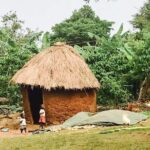
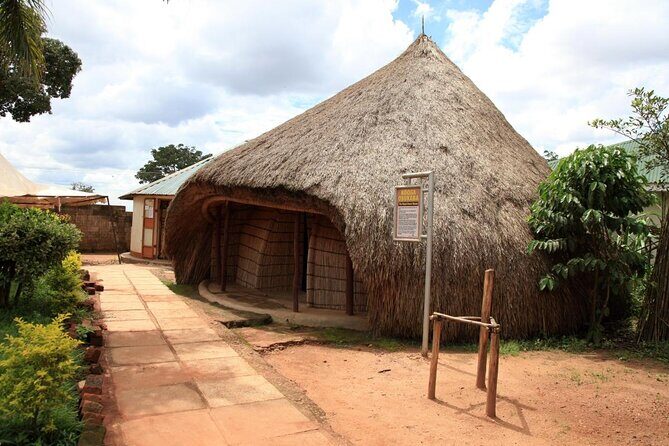
From here, you’ll head to the cooking area connected with the hosts. Several past participants have described it as happening in the host’s home, which is a big part of why this feels authentic. You’re seeing how cooking fits into day-to-day life, not performing for a camera.
Because the class is capped at 10 travelers, expect a calmer pace. You’ll likely have time to ask questions while you work through the ingredient prep, instead of being rushed along like you’re on a conveyor belt.
What you’ll learn: peeling, processing, and building dishes
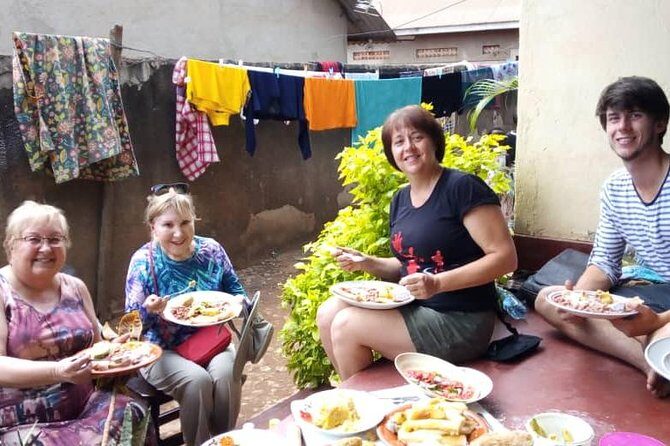
The core of the class is ingredient prep and cooking, Uganda-style. You peel and slice local produce such as cassava, yams, pumpkin, and plantains. That alone is useful knowledge back home, because many people only see these ingredients in markets—they don’t know what “prep” actually looks like in a real kitchen.
You also learn how the ingredients connect to the final dish. For example, matooke is a centerpiece here. Matooke isn’t just something you assemble at the end; it’s the type of dish you build through careful prep steps. You’ll see that transformation happen in front of you, with guidance as you go.
This is also where the small group size earns its keep. With fewer people, you get more turns with the tools and more time with the instructions. In cooking classes, that difference is huge. A class can be “theoretically hands-on,” but this one is built around everyone actually doing tasks.
The banana-leaf lesson: more than a cooking trick
One of the most praised parts is the banana-leaf connection. You’ll learn about banana leaves as a cooking and serving element, and you’ll hear how plants used in daily life show up in traditional meals.
This matters because banana leaves aren’t just decoration. They’re part of how food is wrapped, handled, and prepared in many settings across the region. When you understand the “why” behind the method—even at a basic level—you can carry that logic back to your own kitchen. You’re not only copying steps; you’re learning how local cooks think.
You’ll also get a wider sense of native plants—what they’re used for and how they’re processed for eating. Past participants have highlighted that this plant knowledge felt grounded and practical, tied to the host’s home routine rather than a lecture.
If you’ve ever eaten a dish that tasted subtly different and wondered whether the container, leaves, or steaming method made the difference, this portion helps you connect the dots.
Matooke and other vegetarian staples: how the meal comes together
The workshop centers on vegetarian Ugandan recipes, including matooke. You’ll assemble and cook these dishes as a group, moving from prep to cooking to a sit-down meal.
Matooke is the kind of dish that rewards patience. The flavor develops as cooking does its work, and you learn the rhythm of adding, monitoring, and turning ingredients until they’re ready. That step-by-step flow is what makes the class valuable: you leave with a better sense of timing and texture, not just a list of ingredients.
Along the way, you’ll also make space for the kind of local sauces and flavor-building that make Ugandan home cooking so satisfying. One of the standout favorites in the meal is the G-Nut sauce. It’s the sort of element that can change how you think about a vegetarian plate—rich, savory, and built around local staples rather than relying on imported flavors.
And yes, you do eat what you make. That’s not always true in cooking classes. Here, the goal is shared: cook together, then enjoy the results together.
A few more Kampala tours and experiences worth a look
A home-hosted vibe in Kampala that feels real
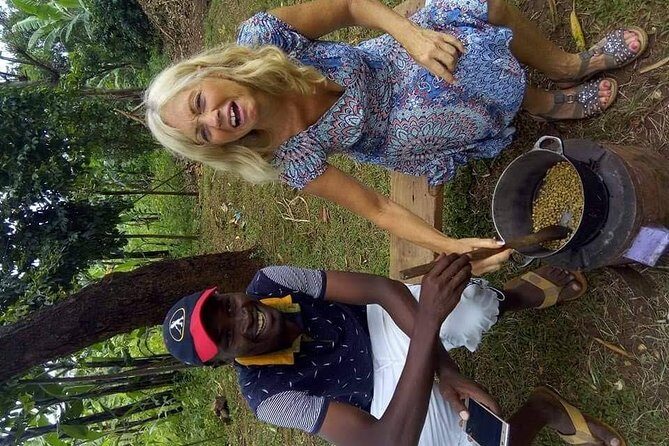
Gertrude is the name most closely connected with this experience, and the tone around her hospitality is clear: you’re welcomed like you’re visiting someone’s home, not checking in for a ticketed show. Participants have also mentioned spending time chatting, learning Kampala context, and sharing stories along with the cooking.
That human piece isn’t fluff. It’s part of the value. When a host explains not only how to cook, but how food connects to life in Kampala—what ingredients mean locally, how cooking fits into the household—you get a richer picture of the place.
Several people also mentioned Gertrude’s son, describing the warmth of the moment—conversation, dancing, and a sense of family energy in between cooking steps. That’s the kind of detail that makes a short class memorable, because you’re not just tasting food. You’re understanding the people behind it.
And if you care about photos, you’ll likely enjoy the setting. Past participants singled out an amazing view from the place, plus the fun of snapping pictures while food cooks.
Why the small-group format makes the difference
A max group of 10 changes the whole class feel. In a bigger group, you might peel something once, stand back, and then watch others do the real work. Here, the structure supports more direct involvement.
You’ll also get more chances to ask questions. When you’re peeling and processing ingredients like cassava and yams, the details matter. How you cut, how you handle the produce, and what you do next affects outcomes. The smaller group size helps you learn these practical points without guessing.
This also makes it easier to adjust to the pace. Cooking doesn’t always follow a clock, especially when you’re learning. With a small group, there’s room for the host to slow down, explain, and check understanding.
Food you can actually cook again at home
The best cooking classes don’t just entertain—they teach you something transferable. The promise here is clear: you’ll learn typical Ugandan meals that you can recreate back home.
To make that possible, focus on the methods you practice: peeling, slicing, assembling, cooking, and eating together. Even if you can’t find the exact same produce everywhere, you can use the techniques and flavor logic.
A few practical examples of what you’ll likely take away:
- Matooke assembly and the idea of building a staple through cooking steps.
- How banana leaves are used and why that matters for handling and presentation.
- The balance between the vegetable base and the finishing flavor, especially with the G-Nut sauce.
If you’re the type who travels with a food journal, this is a great one to add. You’ll have notes you can actually use—not just impressions.
Price and value: $32 for hands-on learning plus a meal
Let’s talk money in a straightforward way. At $32 per person for about four hours, you’re paying for:
- small-group instruction (max 10),
- hands-on prep and cooking,
- and the sit-down meal you eat at the end.
Cooking classes often get expensive when they’re built around staging or when you only watch. Here, the class is built around doing. That turns the cost into a learning experience, not just a taste.
Another value point: it’s booked about 8 days in advance on average, so the demand is real but not so rushed that you’ll feel constantly late. If you’re planning your Kampala food days, you can usually fit this in without months of lead time—still, book sooner if your schedule is tight.
Weather, timing, and what to expect on the day
This experience requires good weather. That doesn’t mean you’ll be outdoors the whole time, but it does mean your plans should be flexible if conditions change. The good part: if it gets canceled because of weather, you’ll be offered another date or a full refund.
Timing is also worth respecting. It’s about 4 hours, so treat it like a half-day event. Don’t schedule it as a filler between two big museum visits unless you like running on adrenaline. Since you’re cooking and then eating, plan to keep your evening light.
Also, the class ends back at the meeting point, so you’re not stuck in transit after you’re full. That’s a small detail, but it helps you keep the day smooth.
Who should book this cooking workshop in Kampala?
This class is a great fit if you want:
- a small-group cultural food experience,
- vegetarian cooking you can understand and remake later,
- and a more personal Kampala connection through a home host.
It’s also ideal if you like food that tells stories—ingredients, plants, and methods that locals use all the time. And if you’re traveling solo, the group size helps you feel included fast, since everyone is doing something together.
If you only want quick sampling and zero prep, you might find four hours of chopping and cooking a lot. But if you enjoy hands-on work, you’ll likely feel like you got your money’s worth in skills, not just in taste.
Should you book it?
Yes, I’d book it if you want a genuinely practical Ugandan food experience in Kampala. The top reasons are the same ones that keep showing up in real-world feedback: the warm home-host vibe with Gertrude, the hands-on ingredient work, and the standout teaching around banana leaves and matooke.
It’s not a “sit and watch” class, and it’s not meat-focused. But if you’re open to vegetarian Ugandan staples and you want techniques you can actually repeat, this is a smart use of a half-day.
If you’re in Kampala with a food-minded mindset and you can match the schedule, this is one of the easiest ways to leave with more than photos—you’ll leave with cooking know-how.
FAQ
Where does the cooking class start?
It starts at Steve Residence, Little Muheji School Rd, Nansana, Uganda, and it ends back at the same meeting point.
How long is the cooking class?
The duration is about 4 hours.
What is the group size limit?
The experience has a maximum of 10 travelers.
Is the cooking class vegetarian?
Yes. The food is purely vegetarian, and you cook and eat together the plant-based dishes.
What kinds of ingredients will I work with?
You’ll peel and slice local produce such as cassava, yams, pumpkin, and plantains.
Do you learn how to make matooke?
Yes. The class includes assembling vegetarian staple dishes such as matooke.
Who hosts the class?
The class is hosted by Gertrude, with her family also involved in the experience.
Is there a confirmation at booking?
Yes. Confirmation is received at the time of booking.
What happens if the weather is poor?
The experience requires good weather. If it’s canceled due to poor weather, you’ll be offered a different date or a full refund.
What is the cancellation policy?
Free cancellation is available. You can cancel up to 24 hours in advance for a full refund; cancellations less than 24 hours before the start time aren’t refunded.