REVIEW · KAMPALA
10-Day Big-7 Private Tour Experience in Uganda Safari
Book on Viator →Operated by Lifetime Experience Safaris - Private Day Tours · Bookable on Viator
Big-7 primates and safari in one run. This Uganda route stacks Ziwa Rhino tracking on foot with Murchison Falls boat-and-game-drive wildlife, so you start spotting animals fast. I like that the timing leans into early light and real park time, not endless transfers.
The primate side is the real heart: chimpanzee trekking in Kibale Forest with an added community-guided nature walk at Bigodi Wetlands. I also like the human touch here—Sula is highlighted in feedback as a guide who knows where and when wildlife shows up, and Tom (Jesse-Thomas Kitanywa) is credited with keeping things flexible.
One practical caution: the biggest primate costs are not included. You’ll need to budget extra for the Bwindi gorilla permit (700 USD) and the Kibale chimp permit (200 USD), and the gorilla trek day can run 3 to 7 hours on uneven ground.
In This Review
- Key things to notice before you book
- Why this Big-7 Uganda safari route feels different
- Price and logistics: what the 3,215 USD really covers
- Day 1 and 2 in Murchison Falls: Ziwa rhinos and the Nile’s best angles
- Bigodi Wetlands Sanctuary on Day 3: swamp walk plus chimp possibilities
- Kibale chimp trekking and Queen Elizabeth: prime primate and river-hippo days
- Bwindi: Ishasha tree-climbing lions and then the gorilla trek day
- Lake Bunyonyi on Day 8: rest time that still feels like Uganda
- Lake Mburo: safari finish with a Saltlick nature walk on Day 10
- Guides, safety, and how the days actually run
- Who should choose this 10-day Big-7 private tour
- Should you book it?
- FAQ
- What wildlife experiences are included in this 10-day Big-7 Uganda safari?
- Where does the safari start and end?
- What time does the tour start?
- Is this a private tour?
- What’s included in the price?
- What permits are not included?
- Are drinks included?
- Is Lake Bunyonyi a free day or are activities included?
- What should I pack for the gorilla trek?
- Can I cancel and get a full refund?
Key things to notice before you book
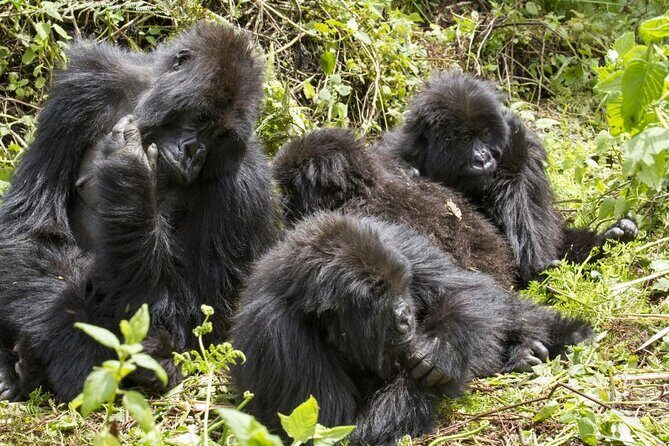
- Big-7 mix, not just gorillas: you’ll also do chimp trekking, rhino tracking, and classic safari wildlife across multiple parks
- Two big boat safaris: Nile cruising at Murchison Falls plus the Kazinga Channel hippo-and-bird ride
- Private feel with ranger support: your own group travels together, with an armed UWA ranger on game drives
- Ishasha tree-climbing lions: one of the most distinctive wildlife targets in Uganda
- Guide quality and flexibility: Sula is repeatedly praised, and Tom (Jesse-Thomas Kitanywa) is noted for adapting plans when possible
- Comfort-focused pacing: mid-range lodge stops are built in before gorilla trekking and after big drive days
Why this Big-7 Uganda safari route feels different
Uganda is famous for primates, but this plan is built to keep you from spending the whole trip waiting for one big moment. You start with rhino tracking at Ziwa Rhino Sanctuary, then shift to wide-open savannah and river wildlife at Murchison Falls, before moving into the primate corridor around Kibale and Bwindi.
That matters because wildlife viewing is partly luck, and partly how you spend your daylight. This itinerary spreads high-probability experiences across several regions: big cats and herds in parks with game drives, plus primates where you’ll be walking and searching in forest. It’s a smarter way to get more “yes” moments in one 10-day run.
The other thing I appreciate is how the trip is not only about animals. You spend time on the ground in wetlands and swamp edges at Bigodi Wetlands Sanctuary, then you get Lake time at Bunyonyi, and you end with a ranger-led walk at Lake Mburo’s Saltlick.
You can also read our reviews of more private tours in Kampala
Price and logistics: what the 3,215 USD really covers
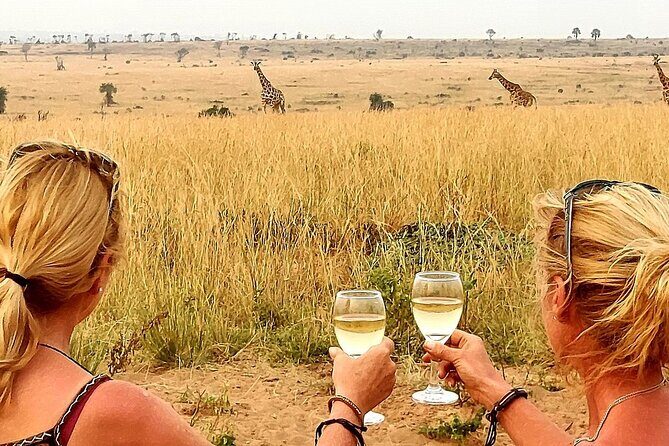
At $3,215 per person, this is positioned as a moderately priced multi-park safari that includes a lot of the hard costs up front. You get:
- Lodging and meals (including meals outside lodges as listed)
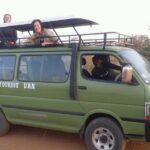
- Ground transportation in a 4×4 with pop-up roof for viewing
- Airport transfers
- Boat safaris on the Nile (Murchison Falls) and on the Kazinga Channel
- Park entry fees (including fees for the car and driver-guide)
- A driver-guide, plus an armed UWA ranger
- Bottled drinking water on drives
What you must add yourself: the primate permits. The Bwindi gorilla trekking permit is 700 USD, and the Kibale chimpanzee tracking permit is 200 USD. Visa and drinks are also extra.
So the real value question is this: do you want an all-in route that already handles transport, park fees, and multiple activities, leaving only the primate permits to arrange separately? If yes, this pricing makes sense. If you’re mainly chasing gorillas and would rather skip the rest, you could spend less by booking those experiences alone.
Also note the physical reality: gorilla trekking is not a gentle walk. You’ll need moderate fitness and good layering for a hike that can last 3 to 7 hours depending on your group.
Day 1 and 2 in Murchison Falls: Ziwa rhinos and the Nile’s best angles
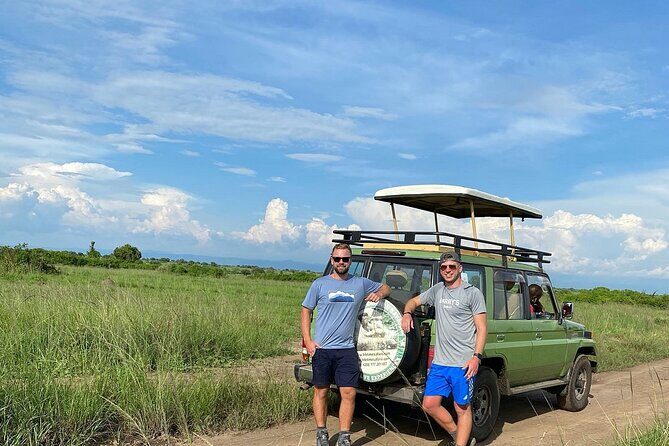
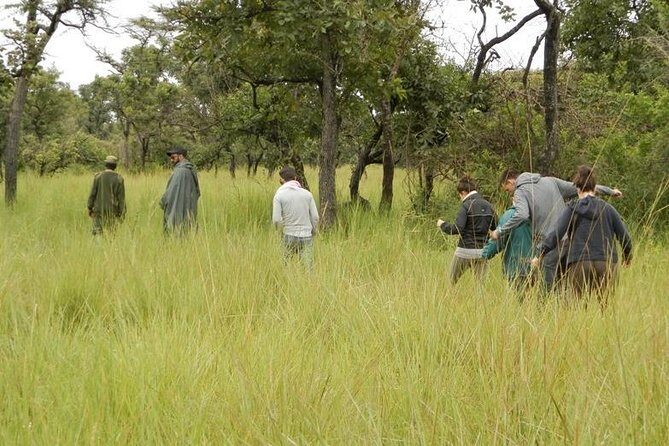
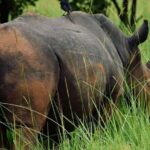
Your trip starts with an early departure from Kampala or Entebbe, around 6:30 am. The day begins with Ziwa Rhino Sanctuary, where you’ll track rhinos on foot with guides who share context on how conservation has helped rhino numbers return to Uganda. This is a rare chance to trade safari vehicle comfort for close-up tracking—slow, attentive, and very guided.
From there you head to Murchison Falls National Park. After lunch and crossing toward the northern bank area, you’ll spend time around Pakuba Lodge, which is set inside the park on the wildlife side of the river. Even before game drive, the location can set you up for wildlife right around the lodge area.
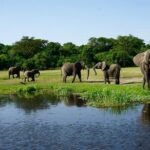
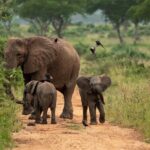
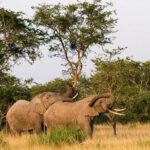
Later you’ll do a long game drive with a UWA ranger in the vehicle. In this park, it’s not just about seeing big animals. It’s also about the “who lives where” details: Murchison is known for lots of giraffes (the itinerary notes over 1,000), and elephants are increasing thanks to conservation and anti-poaching work.
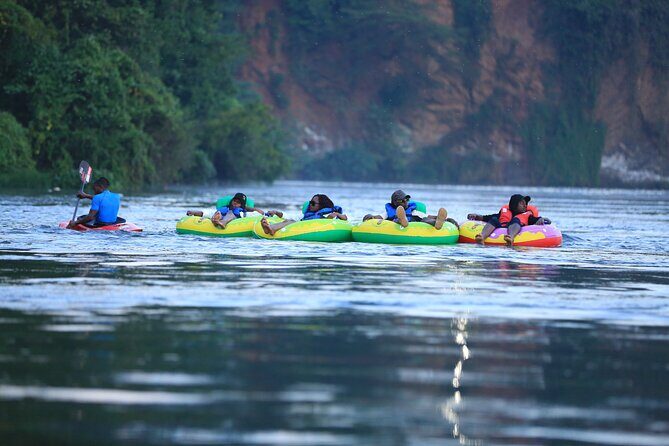
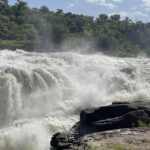
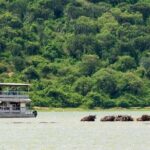
On Day 2 you add a second early wildlife push, then shift into what’s often the most relaxed-feeling wildlife day of the trip: the boat safari up the Nile to the falls. Boat time here is great because you see animals you might miss from a vehicle—hippos, crocodiles, elephant herds, buffaloes, and dense birdlife along the banks.
Then you hike to the top of the falls area. You’ll cross by ferry to the Paraa side and then climb up from the base. One detail to keep in mind: the foam you see isn’t pollution. It’s vegetation churned up by the waterfall. That kind of explanation matters because it keeps you from worrying about what you’re seeing and lets you focus on the view and the power of the falls.
Bigodi Wetlands Sanctuary on Day 3: swamp walk plus chimp possibilities
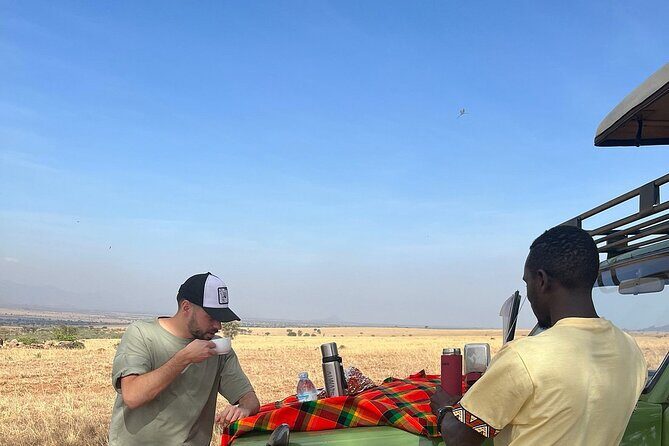
Day 3 slows things down in the best way. You’ll visit Bigodi Wetlands Sanctuary for a guided nature walk, with boardwalk-style paths in swampy areas. This is a good change from vehicle-only viewing because you’re moving through a living environment—birds, insects, and small wildlife signals that don’t always show up in open savannah.
If you like birding, Bigodi is a top stop. The itinerary calls out the large blue Turaco, and that’s the type of species you remember long after the trip. You may also encounter primates in the area; chimpanzees can sometimes forage here (coming from Kibale), and you’ll see other monkeys as well.
There’s also a neat nod to less-famous wildlife: Sitatunga antelope, a rare semi-aquatic animal with webbed toes built for swamp movement. Even if you don’t spot sitatunga, the walk is still valuable for understanding how Uganda’s wetlands function as habitat and corridors for animals.
A practical note: eight hours is a full chunk of the day here. Wear good shoes for wet ground and go with layers. It’s not hard hiking like gorilla trekking, but it’s still a real walk.
Kibale chimp trekking and Queen Elizabeth: prime primate and river-hippo days
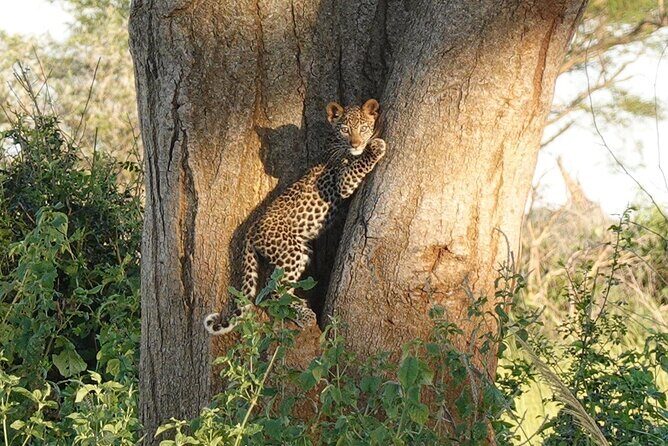
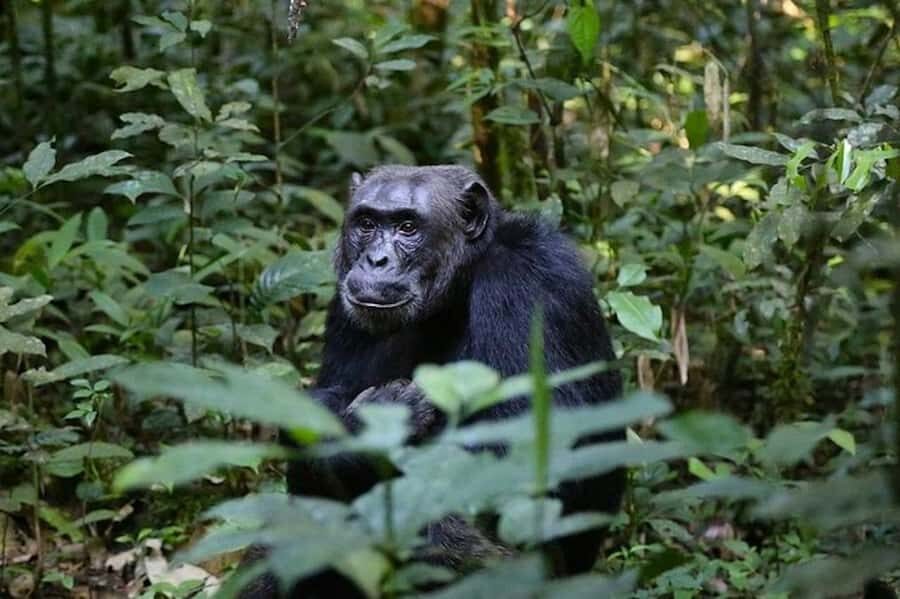
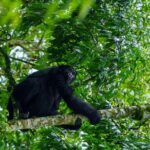
Day 4 is a big one for primates. After breakfast you head to Kibale Forest Headquarters for chimpanzee trekking. The forest experience is the main attraction: you’ll work through a guided trek designed to locate habituated chimps. The itinerary sets expectations at least 5 or 6 primate types from the 13 that live in the park, not just chimp.
What I like about this setup is how it treats chimp trekking as part of a bigger forest encounter. The forest itself gets attention—birds, butterflies, and the rugged feel of Kibale. When the day goes well, you’re not just waiting for chimp to appear; you’re also learning how the forest works while you search.
After chimp time, you shift to Queen Elizabeth National Park. Before check-in at Enganzi Game Lodge, you’ll do the scenic Katwe Explosion Crater drive, with views across the rift escarpment and the connected lake area. It’s a landscape stop in the literal sense: you get higher viewpoints and a better sense of how the region sits.
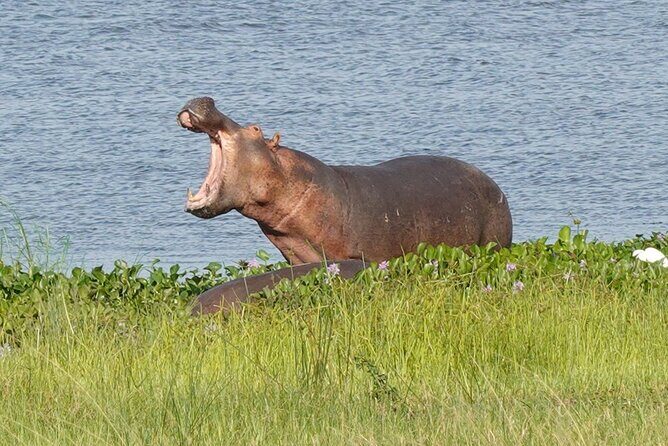
Day 5 keeps the momentum with a morning game drive from around 6:30 am, again with a UWA ranger. Then you move to the Kazinga Channel boat safari in the afternoon (listed for around 3 pm). If you want an unforgettable “river wildlife” feeling, this is where it happens. The channel is known for large hippo populations, and you also get crocodiles, elephants, antelopes, and birds along the shoreline.
Late afternoon is often the sweet spot for photos here—animals come closer to the water edge and the light softens. If you’re lucky, you might catch a dramatic hippo moment just as they rise to breathe.
A few more Kampala tours and experiences worth a look

Bwindi: Ishasha tree-climbing lions and then the gorilla trek day
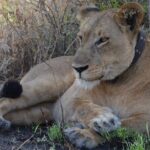
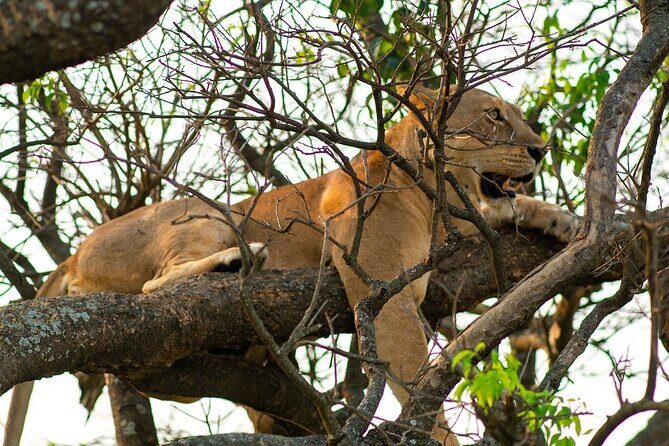
Day 6 is a transition day that keeps its own rhythm. You’ll head toward Bwindi Impenetrable Forest and the Ruhija area, but first you stop in Ishasha. That’s where the itinerary targets tree-climbing lions—a signature wildlife behavior most visitors only hear about and rarely see elsewhere.
I like that the plan includes Ishasha before gorilla trekking because it breaks up the trip emotionally. You’re not going from primate forest to primate forest without a palate change. Ishasha is also a strong wildlife area, with elephants, topi, buffalo herds, and even leopard chances mentioned.
After Ishasha, lunch is planned at Savannah Resort, then you continue to Bakiga Lodge in the Ruhija area. This is a practical choice: you’re not sleeping far from the gorilla start point, which reduces fatigue on the day you’ll hike.
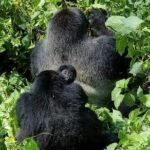
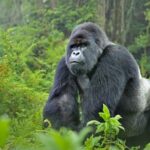
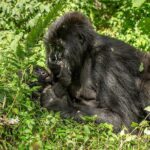
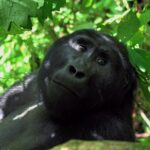
Day 7 is the gorilla trekking day. You’ll get an early breakfast and a packed lunch, then you’ll meet your trek group. The trek itself can last 3 to 7 hours. Most groups return before 1 pm, but you should prepare for a longer day.
Packing matters here, and the itinerary is clear about what helps:
- Bring a daypack
- 2 liters of water
- Jeans, long-sleeved shirt, hat, sunglasses
- Cotton gardening gloves to help you pull through branches and vines
- A light rain jacket and hiking boots
- A walking stick and porter service are optional
One more reality check: you’re walking in forest with conditions you can’t fully control—mud, leaves, and humidity. The clothing and gloves aren’t “nice to have.” They’re what make the trek feel manageable.
Lake Bunyonyi on Day 8: rest time that still feels like Uganda
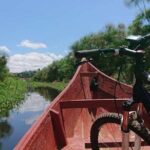
Day 8 is a breather at Lake Bunyonyi, described as a scenic area with many small islands. This is where the trip gives you a mental reset after Bwindi’s forest effort.
You’ll have a full day on the lake area (activities like swimming, paddling a dugout canoe, motorboat rides, or exploring islands are mentioned as options, but not included in the offer). Even without paying for extra activities, Bunyonyi’s value is in the slow pace: you can relax, take in the views, and do something different from wildlife tracking.
This day works well if you plan to keep energy for the final wildlife push at Lake Mburo. It’s also a good time for laundry-free comfort: dry off, re-check your gear, and make sure you’re ready for the nature walk later.
Lake Mburo: safari finish with a Saltlick nature walk on Day 10
Day 9 moves you to Lake Mburo National Park. It’s positioned as the last phase of the Big-7 circuit, and it’s a smart place to end because you get more open savannah walking-and-drive vibes.
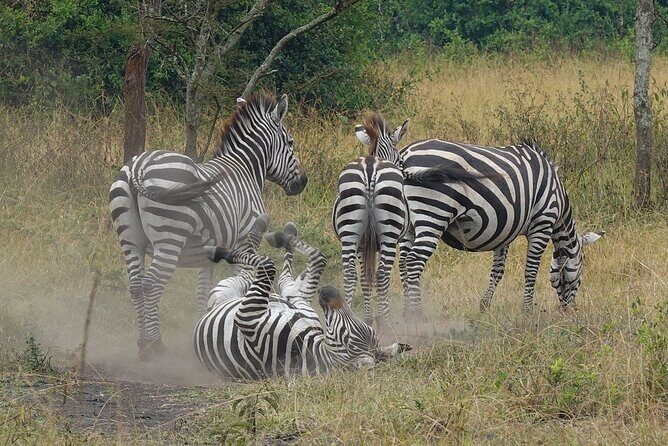
The itinerary schedules an early start (around 7 am) and arrival by lunchtime, then check-in at Rwakobo Rock Lodge, a ridge-side lodge overlooking the park. After lunch, you’ll do an afternoon game drive across rolling terrain. The itinerary notes chances for eland and other antelopes, plus giraffes and Burchell zebras, with occasional leopard sightings.
Day 10 is the close-out with a nature walk led by a UWA ranger to Saltlick, including a hide. You’ll walk about ninety minutes and get wildlife variety along the route. This is a great final-day option because it’s not as physically intense as gorillas, but it still feels close to wildlife behavior.
After the walk and a game drive, you’ll head back toward Kampala/Entebbe, with a stop at the Equator for photos. Then the safari ends with arrival late afternoon for departure.
Guides, safety, and how the days actually run
This is not a “buy a ticket and figure it out” kind of safari. The itinerary includes services of an English-speaking driver-guide, and it also includes an armed UWA ranger for game drives. That matters because game drives are not just about spotting animals; they’re about doing it safely and responsibly in parks where rules matter.
What you’ll feel day to day is a tight rhythm: early departures for wildlife windows, then longer drives between regions, then park activities that run for set blocks of time. Since the tour is private (your group only), the schedule is built around your team rather than shoehorning you into a big shared group.
Also, based on feedback tied to this operator, guide quality seems to be a highlight. Sula is singled out for knowledge about where and when wildlife shows up, along with cultural insight during different regions. Tom (Jesse-Thomas Kitanywa) is also mentioned for flexibility when plans need adjusting. Even if every day doesn’t go exactly to plan, having a team that can steer you when conditions change is a big part of why this kind of trip feels smooth.
Who should choose this 10-day Big-7 private tour
This is a strong fit if you want all of these in one trip:
- Gorilla trekking in Bwindi
- Chimp trekking in Kibale
- Classic safari wildlife across several parks
- Boat safaris on rivers (Nile and Kazinga)
- A finish with quieter savannah walking at Mburo
It’s also a good choice if you prefer a private setup with ranger support rather than large group travel. If you’re short on time and don’t want to stitch together separate safaris, the multi-park structure helps.
The main mismatch would be if you’re chasing only the primates and want to keep costs tight. Because permits add up, your total budget will be higher than the base price.
Should you book it?
If you want one Uganda safari that covers the full primate storyline plus the Big-5-style wildlife experience, this route is easy to justify. The value comes from what’s already included: transport in a 4×4 with a pop-up roof, multiple parks, boat safaris, park entry fees, and guided activities that don’t require you to hunt down logistics in each region.
Before you commit, do two things:
- Add the permits to your budget right away (gorillas 700 USD, chimps 200 USD).
- Be honest about your stamina for gorilla trekking and forest conditions.
If that fits your trip style, you’re likely to end up with exactly what this tour is designed for: a Uganda safari that moves from rhinos to Nile wildlife, then into forest primates, and finally out to open-country sightings at the end.
FAQ
What wildlife experiences are included in this 10-day Big-7 Uganda safari?
You’ll do on-foot rhino tracking at Ziwa Rhino Sanctuary, game drives in major parks, a top of the falls hike at Murchison Falls, chimpanzee trekking in Kibale, gorilla trekking in Bwindi, and boat safaris on the Nile (Murchison Falls) and the Kazinga Channel. You’ll also visit wetlands at Bigodi and do a Saltlick nature walk at Lake Mburo.
Where does the safari start and end?
It starts in Kampala or Entebbe and ends in Kampala–Entebbe on the last day.
What time does the tour start?
The tour start time is listed as 6:00 am, with Day 1 departing around 6:30 am from your hotel area.
Is this a private tour?
Yes. It’s a private tour/activity, with only your group participating.
What’s included in the price?
Included are lodging and meals (as listed in the itinerary), ground transportation in a 4×4 pop-up roof safari vehicle, airport transfers, boat safaris, on-foot rhino tracking, game drives and walking safari activities, park visitor entry fees (including the car and driver-guide), an English-speaking driver-guide, an armed UWA ranger on game drives, and bottled water on drives.
What permits are not included?
The Bwindi gorilla trekking permit (700 USD) and the Kibale chimpanzee tracking permit (200 USD) are not included.
Are drinks included?
The itinerary specifies fizzy and alcoholic drinks are not included.
Is Lake Bunyonyi a free day or are activities included?
Lake Bunyonyi is included, but the itinerary notes that lake activities there are optional and not included in the offer.
What should I pack for the gorilla trek?
You’re advised to bring a daypack, 2 liters of water, jeans, a long-sleeved shirt, hat, sunglasses, and cotton gardening gloves. A light rain jacket and hiking boots are also recommended. A walking stick and porter are optional.
Can I cancel and get a full refund?
Yes, with free cancellation up to 24 hours in advance of the experience’s start time. If you cancel within 24 hours, the amount paid is not refunded.