REVIEW · KAMPALA
10 Day Uganda Memorable Lifetime Gorilla and Chimpanzee Safari
Book on Viator →Operated by Beautiful Safaris Uganda · Bookable on Viator
Gorillas and chimps, then more wildlife. This 10-day Uganda safari is built around two headline primate days—gorilla trekking in Bwindi and chimp tracking in Kyambura Gorge—plus classic big-game and scenery breaks in Murchison Falls and Queen Elizabeth. I also like how the trip feels people-first, with guides praised for being calm, organized, and genuinely friendly, including John and Derick.
One thing to plan for: the gorilla day involves real walking. The trek can take 2–4 hours through thick forest and is described as only for physically fit people, so good shoes and a steady pace matter. If you’re not comfortable with hikes, factor that into your decision with fitness in mind.
In This Review
- Key Highlights You’ll Want to Know
- Entebbe to Kampala: a smooth start before the safari grind
- Ziwa Rhino Sanctuary: tracking rhinos on foot, not from a safe box
- Murchison Falls National Park: big animals, birds, and early mornings
- Kibale National Park and Bigodi Wetlands: primates first, then the long drive west
- Queen Elizabeth National Park: Kazinga Channel energy and evening walks
- Kyambura Gorge chimp tracking: forest searching with real patience
- Bwindi Impenetrable Forest gorilla trekking: what the 2–4 hour trek really means
- Lake Mburo National Park: ancient rocks, guided walks, and horseback with an armed ranger
- Heading back toward Kampala: the Equator stop and a last chance for photos
- Price and value: what $4,999 buys you (and what to budget for)
- Who this Uganda gorilla and chimp safari fits best
- Should you book this 10-day Uganda gorilla and chimp safari?
- FAQ
- What does the tour price include?
- Where does the safari start?
- How long is the safari?
- What should I expect during gorilla trekking in Bwindi?
- Is chimpanzee tracking included, and where does it happen?
- What is not included in the tour price?
- What is the cancellation timeline?
Key Highlights You’ll Want to Know
- Gorilla and chimp permits included in the price, so you’re not guessing about access.
- Kyambura Gorge chimpanzee tracking with a guided forest hunt for the chimps in a real primate landscape.
- Bwindi trek structure: short briefing, then a group trek (about 8 people) and 1 hour with the gorillas.
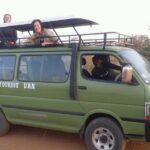
- A guide-led, private-style flow with private transportation and your group staying together.
- Rhinos at Ziwa Rhino Sanctuary with on-foot tracking for closer views than you usually get elsewhere.
- Lake Mburo’s change of pace with guided nature walks and optional horseback riding with an armed ranger.
Entebbe to Kampala: a smooth start before the safari grind
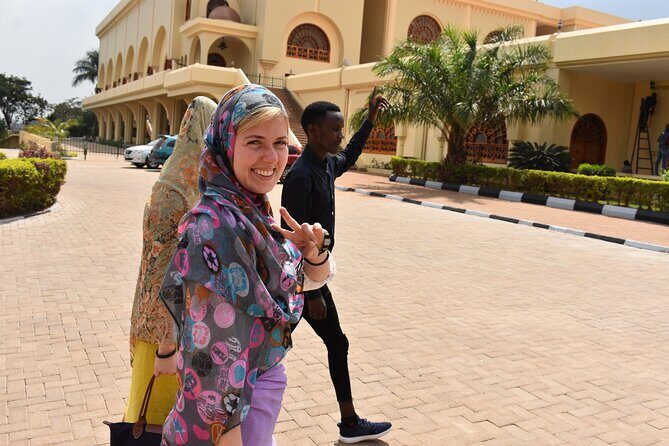
You begin in the Entebbe area, with pickup offered from Entebbe Airport and a transfer into Kampala. The vibe here is simple: get you settled, then brief you on how the next 10 days will run. In many safaris, day one is chaos. Here, it’s designed to feel like you’re being set up for success.
Dinner and an evening briefing help you get your bearings fast. You’ll also get that early look at the human side of Uganda—guides who know how to manage timing and explain what comes next. One detail that comes up in feedback is the warm airport welcome and a welcome package, which is small but helpful when you’re landing tired.
A few more Kampala tours and experiences worth a look

Ziwa Rhino Sanctuary: tracking rhinos on foot, not from a safe box
Day two starts with an early drive north, stepping away from city noise into countryside views. You’ll pass through the Luwero Triangle, a region known for the guerrilla war that shaped Uganda’s modern political history. It’s a heavy topic, but it’s also a reminder that safaris here aren’t just about animals—they’re about place.
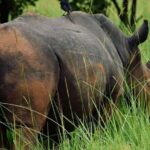
Then it’s Ziwa Rhino Sanctuary. This is a practical, up-close kind of stop: you do an on-foot rhino tracking experience. If you love wildlife photography, this is where you can get clearer views than from a vehicle window. Just remember the tradeoff: on-foot tracking is slower and more physical than a drive, so you’ll want water and a steady sense of pace.
After that, the trip rolls on toward Masindi for lunch and then into Murchison Falls National Park, where you check in for the next wildlife-heavy day.
Murchison Falls National Park: big animals, birds, and early mornings
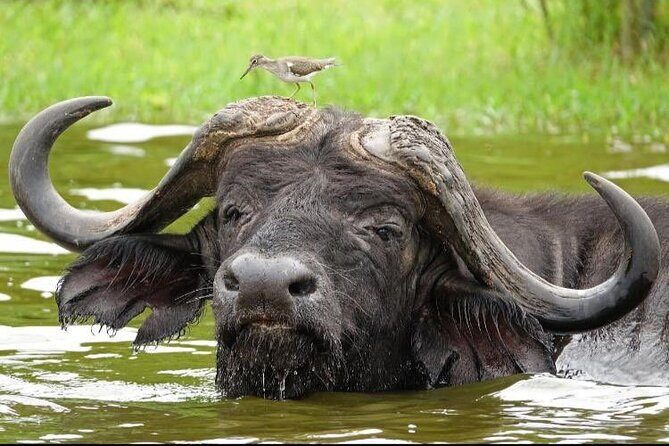
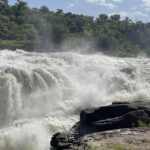
Murchison Falls is where the safari calendar starts to feel serious. You wake up early for game drive time across open savannah—prime hours when animals are moving and visibility is best.
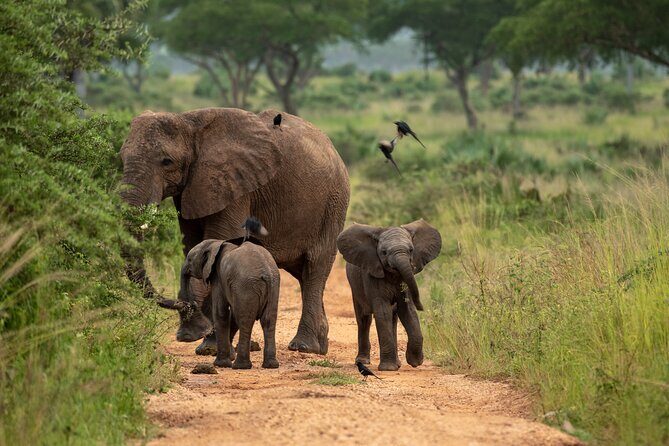
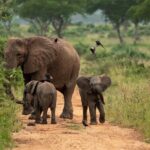
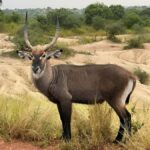
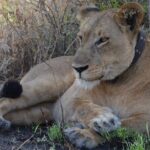
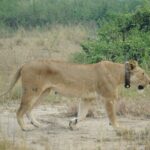
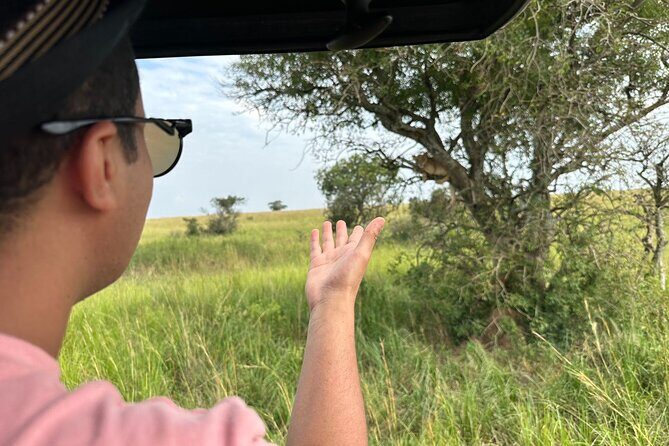
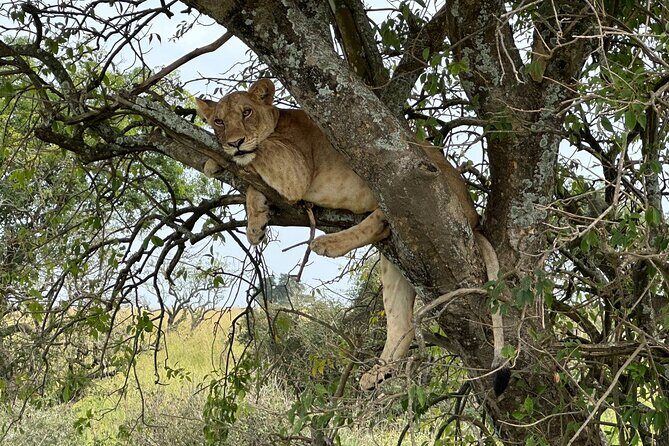
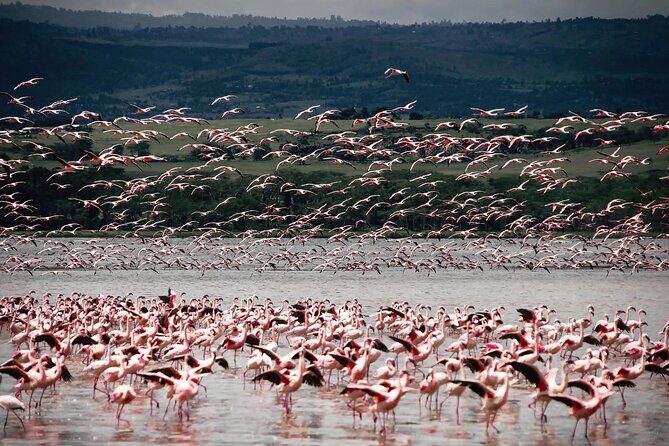
What I like about this day is the mix. You’re not just chasing one animal. You’re set up to spot elephants, lions, cape buffalo, waterbuck, hartebeest, hyena, and (on a lucky day) leopard. You’ll also be looking at a huge bird list, including the rare shoe-billed stork, plus many restricted-range species.
Practical note: you’re in the savannah, so it can be hot by midday. That’s why the schedule leans on early drives. If you get motion sick on long roads, it helps to plan breaks and sit where the ride feels steadier—private transportation makes that easier.
Kibale National Park and Bigodi Wetlands: primates first, then the long drive west
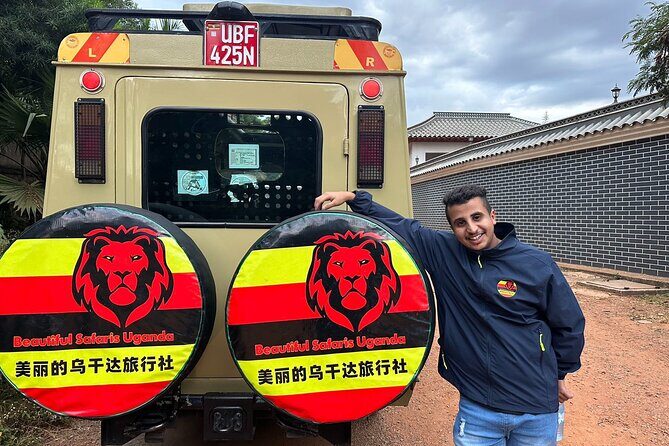
After Murchison Falls, you head to Kibale National Park. The drive includes stops through small towns and villages, which helps you see everyday life rather than just park gates. You check in, relax, and gear up for primate-focused days.
Then comes Bigodi Wetlands Sanctuary. This is a community-led swamp walk, and it’s a different kind of nature experience than savannah drives. Instead of looking for large mammals at a distance, you’re moving through a wetland area and using your eyes and ears for the smaller signals—birds, insects, and primate activity that can pop up fast.
After that, you drive to Queen Elizabeth National Park. The parks here sit between Lake George and Lake Edward, with the Kazinga Channel joining them. That location matters because it creates animal corridors and strong food sources.
Queen Elizabeth National Park: Kazinga Channel energy and evening walks
Queen Elizabeth National Park is a strong value stop because it keeps giving. After you settle in, you’ll go for evening nature walks around crater lake areas. That’s a nice rhythm shift after long driving days. Your eyes adjust from open savannah to water-edge habitats and the smaller wildlife that becomes active when the sun cools.
The Kazinga Channel day is built around morning game drive time in the savannah. You’re looking for big game before animals retreat into thicker cover. The channel itself is highlighted for hippos, including the idea of hippos close to the shoreline. So even if your main drive is about savannah mammals, the day’s scenery and wildlife density feel tied together.
Also note: the included package mentions park entry fee and boat cruise fee. Even when the schedule reads like a drive-and-walk day, that inclusion signals that channel time is part of the plan. If you care about seeing wildlife from the water, this is where you should pay attention to how your guide structures that portion.
Kyambura Gorge chimp tracking: forest searching with real patience
Chimpanzees are the other half of this safari’s core promise. You go to Kyambura Game Reserve, also known as Kyambura Gorge. The plan is chimp tracking in the gorge, followed by a drive through hilly landscapes toward Bwindi Impenetrable Forest.
One thing I appreciate here is the time reality. You’re told you’ll cover about 3 hours 40 minutes to 4 hours of travel before reaching Bwindi areas, and chimp tracking itself is scheduled for a full chunk of the day. That matters because primate tracking isn’t instant. Chimpanzees move, and the forest changes your pace.
Kyambura is also a good reminder that you’re switching ecosystems fast: savannah energy to forest work. If you tend to get impatient with slow days, this is where you’ll need the mindset of search, then see.
Bwindi Impenetrable Forest gorilla trekking: what the 2–4 hour trek really means
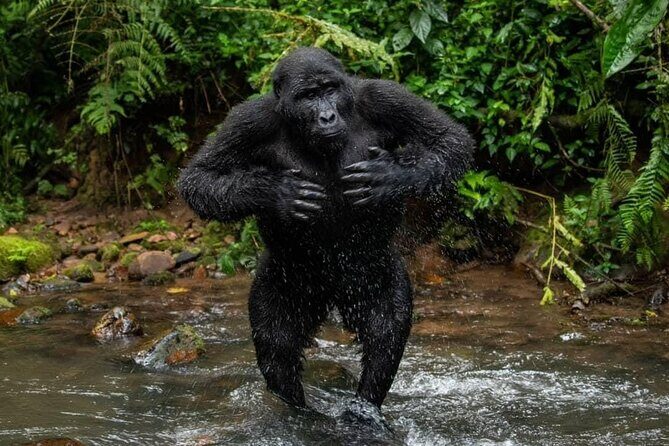
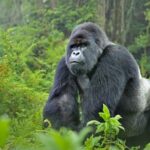
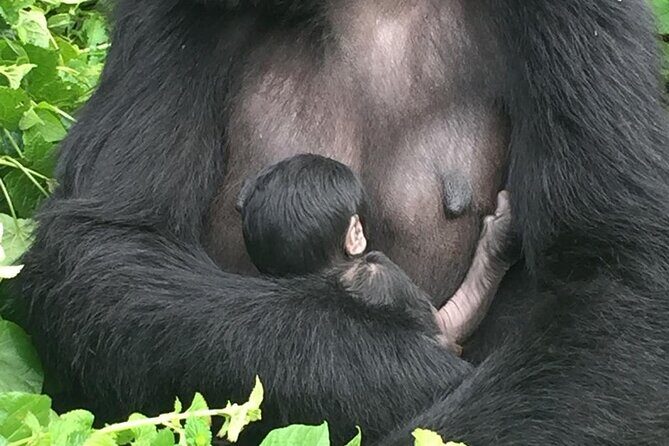
Bwindi is the big day. The tone changes the moment you’re heading to the park headquarters. You’ll get a short briefing on gorilla trekking guidelines, then you form up with a group of about 8 people. That group size detail is worth noting because it influences how your experience flows once you meet the gorillas—more time for spacing, listening, and staying quiet.
Bring packed lunch. You’ll head out after breakfast with your lunch packed, because the trek day can’t be rushed. The thick forest is described as challenging, and the tracking time is given as about 2–4 hours until you encounter the mountain gorillas.
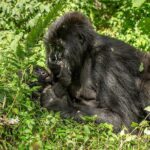
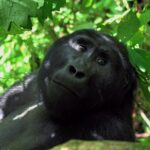
When you find them, you get around 1 hour with the gorillas. That hour is usually where people feel the whole trip click into place. It’s not a drive-by. It’s close enough to watch the small behaviors—movement, feeding, social interactions—under strict rules that protect the animals.
The main drawback is physical. Even if you’re adventurous, the forest terrain can be uneven. If you have knee issues or you’re recovering from something, be honest in how you assess your ability.
Lake Mburo National Park: ancient rocks, guided walks, and horseback with an armed ranger
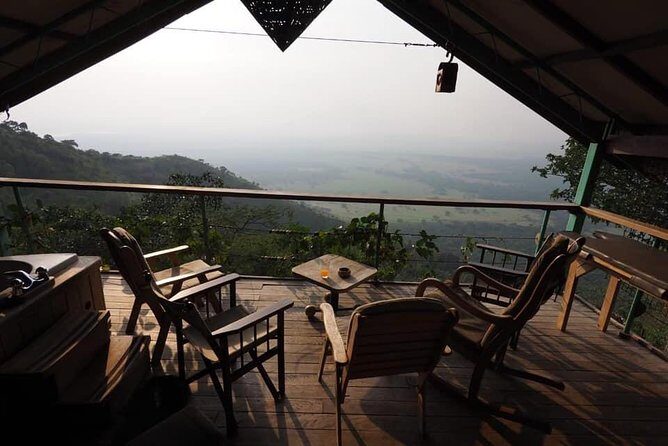
After Bwindi, the safari pivots to Lake Mburo National Park. This is Uganda’s smallest savannah park, but you’re not shortchanged—at least in the way the itinerary uses it. It’s also strategically placed close to the highway linking Kampala to western Uganda, so the transfer days don’t feel like pure dead time.
The ride includes a stopover in Mbarara for lunch, then you branch off to enter the park. Lake Mburo’s setting has a science hook: it’s underlined by ancient Precambrian metamorphic rocks dating back more than 500 million years. That’s a great example of how Uganda’s wildlife stops often come with more than just animal viewing.
The park also offers guided nature walks, which is a different kind of wildlife satisfaction than driving. You can’t rely on long-distance spotting—you need attention and patience.
And then there’s horseback riding. You’ll do a nature walk on horseback for about 2 hours in the park, accompanied by an armed ranger. That’s a memorable way to move through habitat at a pace that feels wild, not staged.
Heading back toward Kampala: the Equator stop and a last chance for photos
The last day balances one final wildlife moment with a classic cultural tourism stop. You do a guided nature walk in the open, then horseback riding wraps up the animal time. After that, you check out and drive about 4 hours back toward Kampala.
On the way, you stop at the Equator in Masaka for photo captions and craft shops. This isn’t where you come for deep history. You come for an easy way to break up the drive, grab a souvenir, and mark the trip’s end with something light.
After that, you either continue toward Kampala or head to Entebbe Airport for your flight, depending on your schedule.
Price and value: what $4,999 buys you (and what to budget for)
This safari is priced at $4,999 per person for roughly 10 days, with private transportation and permits built in. For many gorilla/chimp trips, the permit piece is the make-or-break cost, and here it’s included—gorilla and chimpanzee permits, plus park entry fees and boat cruise fees.
That inclusion is why the price can make sense for you, especially if you want the big primate days to be fully handled. If you were to price permits and entry fees separately, you’d likely discover they dominate the cost quickly.
What isn’t included is also worth reading. You’ll pay extra for personal items like laundry and phone calls, and of course international flights and visa charges are on you. Plan for tipping too, even though it isn’t listed here. Also budget for water, snacks on travel days, and any additional activities you want to add.
The value question you should ask yourself is simple: Do I want a guided, permit-based primate safari with comfort in transport? If yes, this format fits. If you’re trying to keep costs low by building your own route and permit plan, then you’d compare a DIY approach.
Who this Uganda gorilla and chimp safari fits best
This is a strong fit if you want a classic western Uganda circuit with the two top primate experiences. The itinerary also works well if you like variety: savannah game drives, forest tracking, community wetlands, and a change of pace at Lake Mburo.
I’d also consider it if you value a guide who keeps the day running and explains wildlife clearly. In feedback, guides like John and Derick are called out for professionalism and friendliness. That matters because Uganda’s best wildlife experiences still depend on timing, quiet behavior, and good spotting.
Where it may not fit: if your fitness is limited. The gorilla trek is explicitly described as challenging and only for physically fit people. You also spend significant time on roads, so a very mobile, energetic travel style helps.
Should you book this 10-day Uganda gorilla and chimp safari?
If your goal is to see gorillas in Bwindi and chimps in Kyambura within one organized trip, this schedule is a practical way to do it. The best reasons to book are the permit coverage, the structured gorilla day (including a briefing and group size), and the variety that keeps you from being stuck in one ecosystem for 10 days.
My advice: book if you can handle the forest trek physically and you’re comfortable with long driving days between regions. Skip or choose a gentler option if hiking is a dealbreaker. If you get those two things right, you’re set up for a trip that feels like a real lifetime memory, not just a checklist.
FAQ
What does the tour price include?
The package includes private transportation, gorilla and chimpanzee permits, park entry fees and boat cruise fees, and meals: 9 breakfasts, 9 lunches, and 9 dinners.
Where does the safari start?
The meeting point is Entebbe Airport in Uganda. Pickup is offered.
How long is the safari?
It’s listed as 10 days approximately.
What should I expect during gorilla trekking in Bwindi?
You’ll get a short briefing at the park headquarters, then trek with a group of about 8 people. Tracking is described as taking about 2–4 hours until you find the gorillas, with about 1 hour spent interacting with them.
Is chimpanzee tracking included, and where does it happen?
Yes. Chimpanzee tracking is included and happens in Kyambura Gorge (Kyambura Game Reserve).
What is not included in the tour price?
Not included are personal items (like laundry and phone calls) and international flights and visa charges.
What is the cancellation timeline?
You can cancel up to 6 days in advance for a full refund. Cancel 2–6 days before for a 50% refund. If you cancel less than 2 days before, there is no refund.