REVIEW · KAMPALA
Kampala City Tour – Half Day
Book on Viator →Operated by Gazelle Safari Company · Bookable on Viator
Kampala shows its personality fast. This private tour strings together the city’s kingdoms, mosques, temples, and major landmarks with real context from your own guide—so you’re not just driving past things. I especially like the hotel transfers and the way Mathew’s calm, patient explanations turn stops into a story. One watch-out: the Uganda Museum is under renovation and may not be the final stop during your visit.
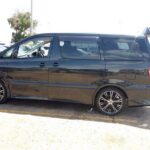
You’ll ride in an A/C, Wi‑Fi-equipped 4WD minibus with a designated window seat, start at 8:30am, and cover a lot in about 6 to 7 hours. You also get a route map and souvenir photos included, which is handy when you’re trying to remember what you saw before your next move.
In This Review
- Key highlights to look for before you go
- Price and logistics: is it worth $215 per person?
- Getting to Kampala’s key areas in one efficient drive
- Nakasero Market: a sensory intro to daily life
- Kabaka’s Palace and the Royal Mile: Buganda power, close up
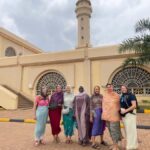
- Gaddafi National Mosque: climb for the 360° view
- Kasubi Tombs: UNESCO meaning beyond photos
- Makerere University: a quick campus story from the car
- Baha’i Temple on Kikaya Hill: gardens, meditation, and a Monday caveat
- Uganda Museum renovation: how your day may adjust
- Comfort, guide style, and the included “small perks” that matter
- Who should book this Kampala city tour?
- Should you book? My honest take
- FAQ
- How much does the Kampala City Tour cost?
- How long is the tour?
- Does the tour include hotel transfers or pickup?
- Is this a private tour?
- What’s included in the price?
- Are meals included?
- Are there any closures or changes to expect?
- What vehicle will you ride in?
- Where does the tour start and when?
Key highlights to look for before you go
- A private, guide-led route through Kampala’s top sights, not a quick bus loop
- Buganda Kingdom stops like Kabaka’s Palace and Kasubi Tombs, with strong cultural meaning
- Multiple faiths in one day, from Gaddafi National Mosque to the Baha’i Temple and Hindu temples at Nakasero
- A view payoff at Gaddafi Mosque’s tower, including Fort Lugard and Kampala’s Seven Hills
- Extras included like mineral water, entrance fees, and a route map with souvenir photos
Price and logistics: is it worth $215 per person?
At $215 per person, this tour sits in the “pay for convenience” category. The value comes from the mix of things that usually add up fast when you do them on your own: hotel transfers, a private guide, entrance fees for the planned stops, and transport in a 4WD minibus with fuel. In other words, you’re not just buying a ride—you’re buying time saved and a tighter route.
The other value lever is depth. When I’m in a city where I don’t know the background, a guide can make monuments, museums, and royal sites feel connected instead of random. The reviews I saw emphasize that the guide experience is a real strength, with Mathew praised for being patient and energetic about Ugandan history and culture.
The trade-off is that you’re on a fixed route. If you want lots of free wandering time or you’re craving one specific museum for hours, this format won’t be as flexible. Still, for a first-time Kampala day, it’s a smart way to get your bearings.
You can also read our reviews of more city tours in Kampala
Getting to Kampala’s key areas in one efficient drive
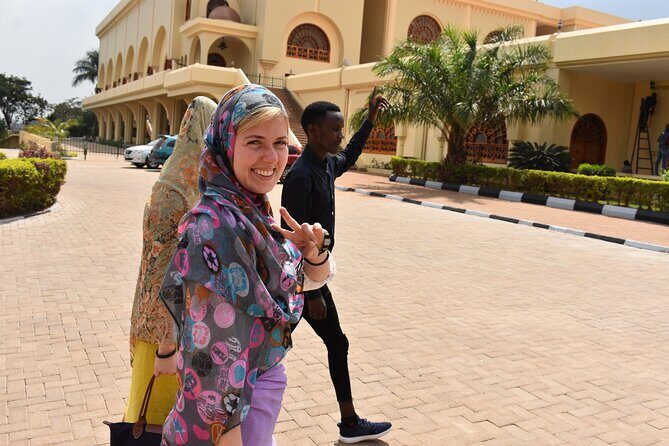
This starts in Kampala CBD and then moves into uptown Kampala and surrounding areas. Expect a lot of “look, then stop, then look again” pacing. You’ll pass major civic and historic landmarks and get a guided thread tying them together.
A typical flow includes stops and photo time around:
- Independence Monument
- Mutesa II Monument
- World War II Monument
- Parliamentary Building
- Bank of Uganda (since 1966)
- Uganda National Cultural Centre (since Dec 1959)
- Kampala Capital City Authority (HQ)
Why I like this part: it gives you a map in your head before you start walking through the bigger cultural stops. It also helps you understand how Kampala functions as a hub—government, finance, and culture all stacked into the same city story.
And because you’ll be traveling by A/C vehicle, you’re less likely to feel wrecked by heat before you reach the places that actually need your attention. You’ll also have bottled mineral water provided during the tour.
Nakasero Market: a sensory intro to daily life
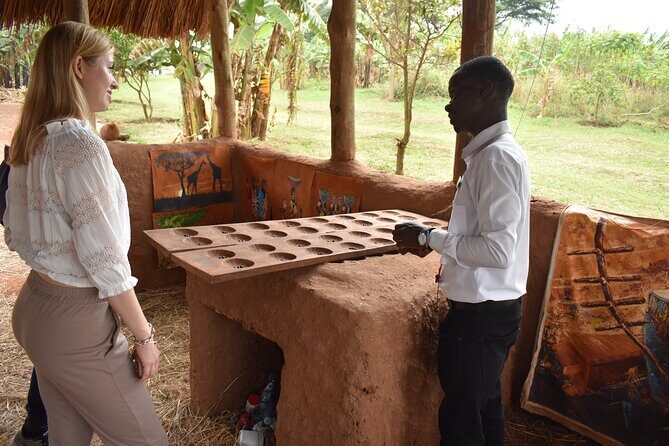
After the monument drive, you’ll head toward Nakasero Market. This is one of those places where the city’s texture shows up immediately. The market is described as established in 1895, originally at Lubiri, and moved to its current location within the city center in 1905—so you’re not just seeing stalls, you’re seeing a long-running marketplace pattern.
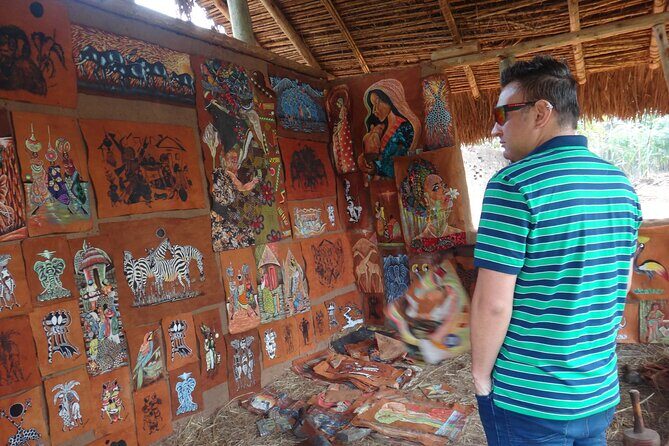
You’ll browse spice and textile stalls, and the area includes cultural and religious sights such as Hindu temples like Shree Swaminarayan Mandir. That multi-faith mix matters. Kampala isn’t one culture-only city, and Nakasero reflects that reality in everyday form.
Practical tip: take your time with photos, but also keep an eye on where you’re walking. Markets are busy, and the day is long enough that you’ll want to avoid getting separated from the group.
If you’re the type who likes to understand local life through what people buy, Nakasero is a strong “first taste” stop. It also pairs well with the later sites like Kabaka’s Palace and the mosques, because suddenly those religious places aren’t floating in a vacuum—they connect to a city that has traditions still active today.
Kabaka’s Palace and the Royal Mile: Buganda power, close up
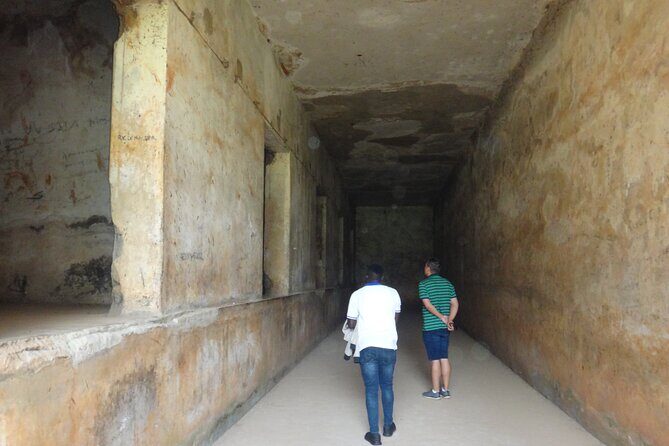
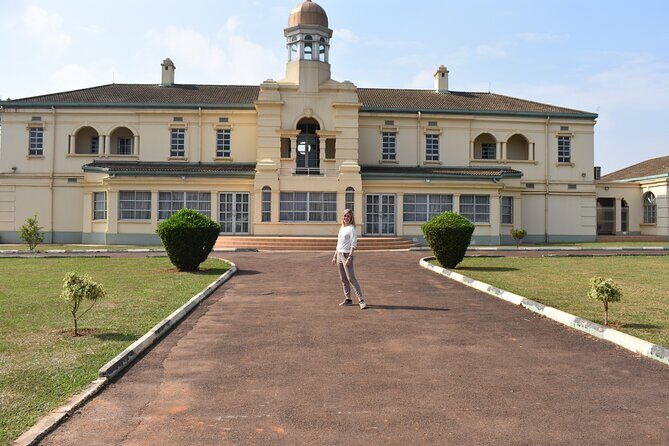
This is one of the anchors of the day. You’ll visit Kabaka’s (king’s) Palace in the Buganda Kingdom area. It’s not just a pretty viewpoint; it’s a place where royal history, identity, and ceremony have recognizable physical locations.
Inside, you’ll see:
- IIdd Amin’s Armory, including a historical machine gun
- palace-related pictorial displays
- Nantawetwa monument, built exclusively for the king, and noted as only opened when he is driven from the palace to Buganda Parliament
- a drive past Kabaka’s Lake
Then the route continues along the Royal Mile, with sightseeing that includes:
- Bulange (Buganda Parliament)
- Kabaka’s monument
- Zakaria Kisingiri House
- Buganda Clan Symbols
Why it works: you get a layered feel for time. One moment you’re in royal tradition; the next you’re looking at a specific period artifact tied to a darker political chapter (the Armory). That contrast is uncomfortable at times, but it helps you understand that history here includes both ceremony and conflict.
The biggest practical consideration is pace. This is typically about an hour at the palace stop, so you’ll want to decide early whether you’re going to focus on photography, the historical displays, or the cultural symbolism first. If you try to do everything equally, you may rush and miss details.
Gaddafi National Mosque: climb for the 360° view
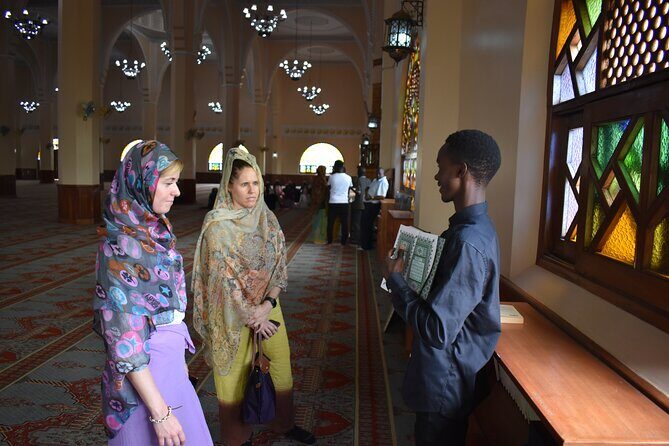
From the palace area, you’ll head to Gaddafi National Mosque. It’s described as a gift to Uganda by the late Col. Muammar Gadhafi. Once you arrive, you’ll have time to climb up the tower (minaret) for a 360-degree bird’s-eye view.
From that height, the description calls out a city view of the Seven Hills, including:
- Fort Lugard (since 1800, tied to Capt. Frederick Lugard)
- Old Kampala Senior Secondary School, noted as over 60 years old and tied to President Kagame’s enrollment
This is a strong stop for two reasons. First, the climb turns Kampala from “streets you drive through” into a place with structure. Second, the view gives you real context for later photo moments—especially when you’re trying to remember where Fort Lugard sits relative to everything else.
Time-wise, you get about an hour here, including the view climb. If you prefer slow travel, you might feel a little rushed. But for most people, it’s the right length to enjoy the panorama without losing momentum for the rest of the day.

Kasubi Tombs: UNESCO meaning beyond photos
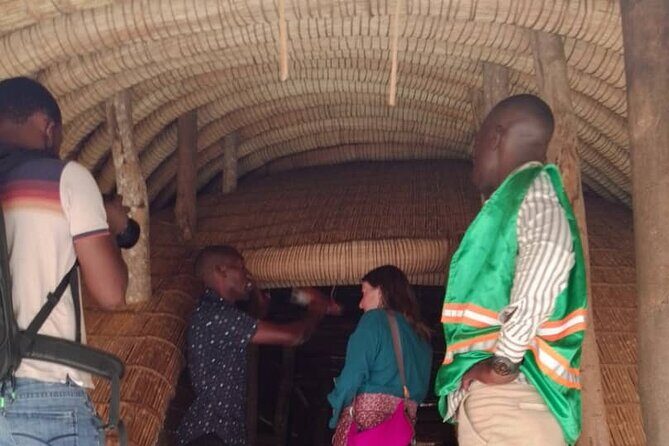
Next up: Kasubi Tombs, a UNESCO World Heritage Site. This isn’t framed as a quick photo stop. It’s a spiritual site for the Baganda, and it’s described as a place where traditional and cultural practices have been preserved.
The key context: Kasubi Tombs is a burial ground for the previous four Kings of Buganda. That’s why it functions as more than a historical building—it’s described as a cultural center for the royal family, where important rituals related to Buganda culture are held on site.
Why I think this stop deserves your attention: it changes your tone. After markets and palaces, you’re asked—quietly—to understand that some sites here are still living parts of belief systems, not just relics.
A practical note: you’ll have about an hour. In a place like this, your best strategy is to move carefully, watch how your guide handles questions and respect, and use your time for observing rather than rushing.
Makerere University: a quick campus story from the car

Then you’ll drive through Makerere University on a sightseeing loop. Makerere is described as Uganda’s largest and oldest institution since 1922, and Africa’s third oldest university. That’s a big claim, and the stop helps you understand why Kampala has more than just government and marketplaces—it has education shaping the future.
From the vehicle, you’ll see landmarks such as:
- Old University Library (established in 1949)
- the Main Administration Building (since 1941)
- an Education monument
This isn’t a long walk-through stop—about 30 minutes—and that’s okay. It’s more about placing Makerere on your mental map of the city than spending the day touring academic buildings.
If you’re curious about how Uganda’s ideas and careers connect back to Kampala, this brief university segment is a useful hinge between the cultural stops and the religious stops that come after.
Baha’i Temple on Kikaya Hill: gardens, meditation, and a Monday caveat
The day turns calmer at the Baha’i Temple. En route, you’ll pass Kalerwe Market, described as the second largest local market. You can stop for a few pictures or purchase fresh fruits if you want.
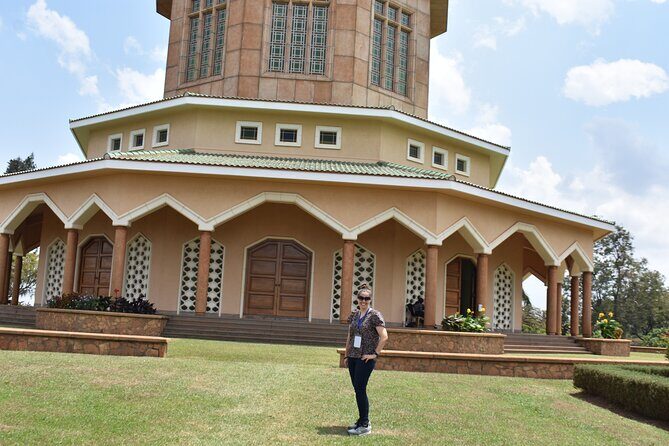
The temple sits on Kikaya Hill, in the north east of Kampala, and it’s described as the only Baha’i temple in Africa. You’ll be granted access for a moment of self-meditation and given time for pictures in the gardens.
This is also where the calendar matters. The information includes an important notice: the temple is closed on Mondays. So if you’re traveling on a Monday, you should factor in that this portion of the day may not go as planned.
Practical tip: even when it’s not a formal worship session, keep your pace respectful. This is one of the stops where you’ll likely enjoy slowing down, turning off the constant rushing mode, and letting the quiet do some work.
Uganda Museum renovation: how your day may adjust
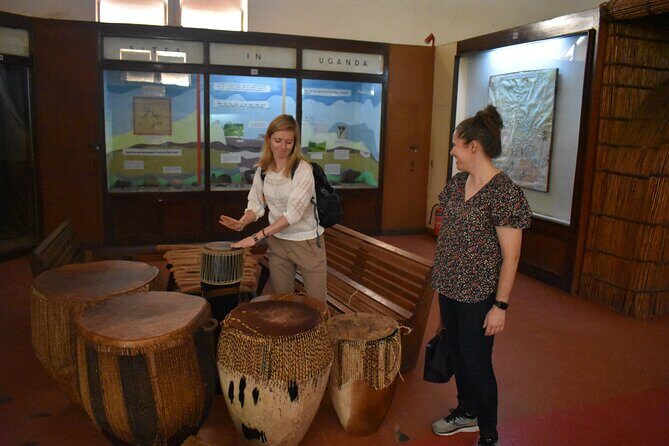
Normally, the tour ends at the Uganda National Museum, which is described as East Africa’s first and oldest, with official references from the British government and its move to the latest site in 1954. The museum is positioned as a summary of the city tour and the rest of Uganda.
But there’s a major real-world issue: the museum is under renovation and is set to open late 2025. Because of that, the tour is described as temporarily ending at the Baha’i Temple and then transferring you back to your hotel. Under normal operations it would end at the museum, but the current renovation means you should expect the museum portion may not happen.
This is the main drawback to keep in mind when choosing your travel dates. If a museum-heavy day is your priority, you’ll want to plan around the renovation timeline. If you’re more focused on seeing a wide cross-section of Kampala’s culture and faith spaces, the tour still holds up well—you’ll just get less museum time.
Comfort, guide style, and the included “small perks” that matter
The experience is set up to keep you comfortable: pickup offered and hotel transfers included, plus the A/C vehicle with Wi‑Fi and a designated window seat. That matters more than it sounds. When you’re doing multiple stops across different parts of the city, you want your travel time to be a buffer, not a fatigue machine.
The included mineral water is another small detail that helps you stay steady during long drives and short stops. You’ll also receive a route map and souvenir photos free of charge, which is especially useful if you’re the kind of person who likes to tag memories later.
And then there’s the guide experience. The reviews I saw place real emphasis on Mathew’s style: patient, entertaining, and full of energy about Ugandan history and culture. That combination tends to be exactly what you want on a short tour—someone who can explain, answer, and keep the day moving without making it feel like a lecture.
One more logistics note: lunch is not included. You’ll likely want to eat before the tour starts, or plan for a snack. There’s mention of Kalerwe Market as a place where you might buy fruit, but don’t count on a full meal plan.
Who should book this Kampala city tour?
I’d book this if:
- It’s your first time in Kampala and you want a structured route that covers royal sites, major mosques, UNESCO tombs, a university landmark, and markets
- You value a private guide who can connect the dots as you go
- You like comfort and tight timing—starting at 8:30am and finishing within 6 to 7 hours
- You’re okay trading some free roaming for curated stops with entrance fees handled
You might choose something else if:
- You specifically want the Uganda Museum experience and you’re visiting during the renovation period
- You’d rather spend half a day in one neighborhood instead of moving across Kampala’s key zones
If you’re traveling with friends or family, also ask about group discounts, since the tour info notes them.
Should you book? My honest take
Yes, I’d recommend booking this tour for most first-timers—especially if you care about understanding Kampala beyond the main road. The standout is how the day mixes Buganda Kingdom sites, multi-faith landmarks, and city institutions into one logical route with an energetic guide.
Just be smart about dates. Check whether your visit falls on a Monday (the Baha’i Temple is closed then) and remember the Uganda Museum renovation may reduce what you see at the end of the day.
If you go in with realistic expectations—short stops, good context, no lunch plan—you’ll come away with the kind of Kampala overview that makes the rest of your trip easier to enjoy.
FAQ
How much does the Kampala City Tour cost?
It costs $215.00 per person.
How long is the tour?
The tour runs about 6 to 7 hours.
Does the tour include hotel transfers or pickup?
Yes. Pickup is offered, and hotel transfers are included.
Is this a private tour?
Yes. It’s private, and only your group participates.
What’s included in the price?
The price includes mineral water, entrance fees for planned stops, and transport in a 4WD minibus with an English-speaking driver-guide.
Are meals included?
No. Lunch is not included.
Are there any closures or changes to expect?
Yes. The Baha’i Temple is closed on Mondays, and the Uganda Museum is under renovation (with reopening late 2025), so the tour may end earlier.
What vehicle will you ride in?
You’ll travel in a 4WD minibus with A/C and Wi‑Fi, and you’ll have a designated window seat.
Where does the tour start and when?
It starts at 8:30am at Gazelle Safari Company, Gabunga Rd 2, Kampala.