REVIEW · KAMPALA
Kampala’s walking city Tour Experience
Book on Viator →Operated by TREK MASTERS · Bookable on Viator
Kampala makes sense on foot. This guided walk is built around real landmarks and everyday life, from the view-heavy Gaddafi National Mosque to the market streets that show how Kampala trades, eats, and moves. I especially like the guide’s clear explanations of what you’re seeing, and the focus on the city’s Owino Market energy and what’s actually for sale. The main thing to watch is cost add-ons: the mosque admission isn’t included, and pickup can cost extra depending on where you’re staying.
What you get for 2 to 3 hours is a tight, small-group route with lots of context, not just photo stops. You’ll cover Independence Monument and Kabaka’s Palace, plus two markets (Owino and Nakasero), then finish with a taxi-park glimpse and time around Kampala’s most vulnerable communities. If you’re hoping for a quiet, strictly “scenic” walk, this one is more human and more lively than that.
In This Review
- Key highlights at a glance
- Following the 7 Hills From Gaddafi to Independence
- Gaddafi National Mosque, Minaret Views, and the Seven Hills Angle
- Owino Market: Where Second-Hand Clothes, Shoes, and Food All Coexist
- Nakasero Market: Fruits and Food From Remote Villages
- Independence Monument: Symbolism Explained Instead of Just Seen
- The Biggest Taxi Park Stop and Why the Chaos Works
- A Heartwarming Community Moment With Real Human Connections
- Price and Value: Is $40 a Good Deal for This Route?
- Timing, Meeting Point, and How the Walk Flows
- Who This Kampala Walking Tour Suits Best
- Should You Book This Kampala Walking Tour?
- FAQ
- How long is the Kampala walking tour?
- How much does it cost?
- Is pickup included?
- What’s included in the tour stops?
- Where does the tour start and end?
- Can I cancel for a full refund?
Key highlights at a glance
- Gaddafi National Mosque views: interior time plus skyline photos from a seven-hills perspective
- Two major local markets: Owino’s huge vendor mix, then Nakasero’s fruits and food
- Independence Monument context: guide-led interpretation of symbolism and meaning
- Taxi park reality check: organized chaos, seen through how locals navigate it
- Community-focused stop: a respectful look at everyday relationships and resilience in Kampala
Following the 7 Hills From Gaddafi to Independence
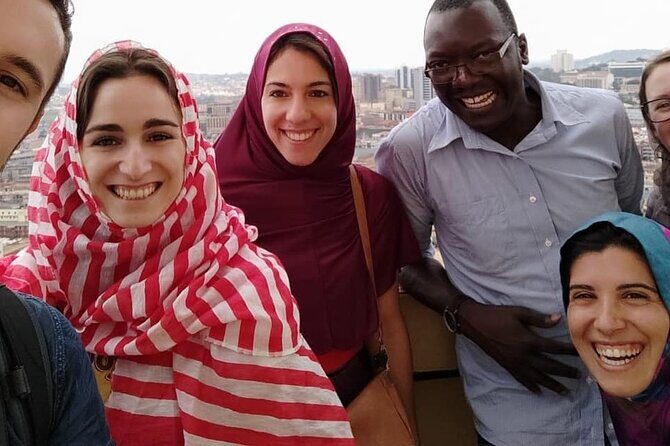
This tour works because it builds Kampala in layers. You start with a landmark that literally lets you see the city’s shape, then you move into the places where people buy things, eat, and plan their day. The walking pace matters here: you get enough time at each stop to ask questions, not just pass by.
It also helps that it’s a small-group experience. You’ll usually get the kind of attention that turns random landmarks into a story you can repeat later—why something was built, what a monument is trying to communicate, and why a market is organized the way it is.
You can also read our reviews of more walking tours in Kampala


Gaddafi National Mosque, Minaret Views, and the Seven Hills Angle
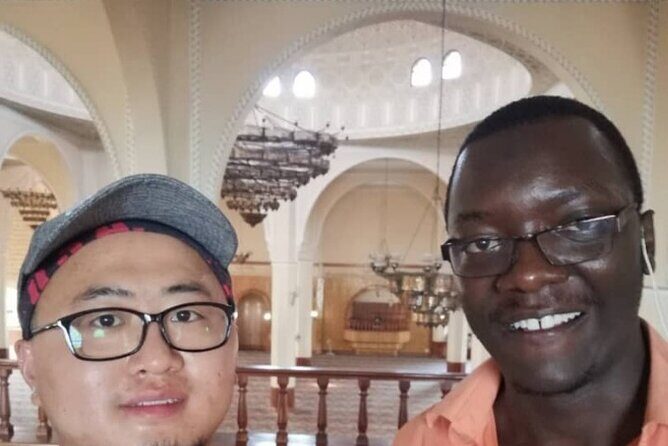
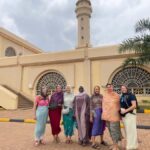
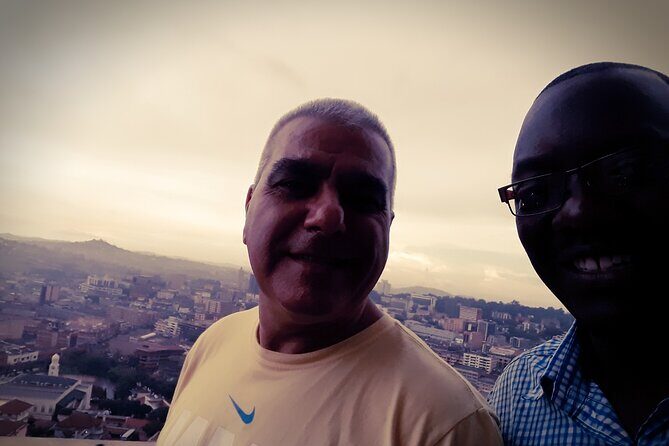
The first stop is the Gaddafi National Mosque, with about 45 minutes on site. You’ll get a chance to see inside the mosque, not just the outside, and you’ll also get the kind of photo moments that come from the higher vantage points. The view ties directly into Kampala’s famous seven-hills idea, so you’re not just looking at buildings—you’re learning how the city is described in local geography.
One detail I like in how this stop is handled: the guide gives a good explanation and a clear summary for Kampala, then points you toward what to notice as you look around. That makes your photos feel smarter, because you’ll know what’s connected to what.
Practical note: the mosque admission ticket is not included, so budget for that. Also, if you’re sensitive about clothing rules at religious sites, plan to dress respectfully. (You’ll be entering a working place of worship, not a museum.)
Owino Market: Where Second-Hand Clothes, Shoes, and Food All Coexist
Next comes Owino Market/Kampala for around 25 minutes. This is described as the largest local market in the area, with over 3,000 vendors, and that scale changes how the whole experience feels. Instead of a few tidy stalls, you’re stepping into a living system where different categories sit side-by-side.
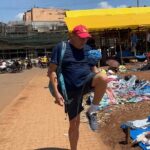
Owino is the place to see Kampala’s practical shopping culture up close. You’ll notice a mix of second-hand clothing and shoes, alongside food stuffs. Even if you don’t plan to buy, the tour angle is useful: your guide points out what you’re likely seeing and helps you connect the market’s activity to daily life in the city.
The admission for this stop is included, which I appreciate because it keeps the budget predictable once you’re on the ground.
Nakasero Market: Fruits and Food From Remote Villages
After Owino, you’ll go to Nakasero Market for about 15 minutes. This one is more focused, centered on foods and fruits. The market gets interesting when your guide connects what’s on the shelves to the broader food network—especially the note that variety comes from remote villages.
This is a good stop if you like food culture but don’t want a long market session. Fifteen minutes is short enough to keep things moving, long enough to see differences in how stalls are set up and how people shop for everyday needs. Admission is included here too, so you don’t have to manage extra fees mid-walk.
Independence Monument: Symbolism Explained Instead of Just Seen
You’ll spend around 20 minutes at the Independence Monument. The key benefit here is interpretation: it represents Uganda’s independence story, and the design includes different features that point to mixture ideologies. Your guide is expected to explain these details in depth.
I like monument stops when they do this properly. Otherwise, you stand there for photos and move on with only a generic caption. Here, you get the story behind the shapes and symbolism, which makes it easier to remember later and easier to explain to friends.
Admission is included for this stop, so it’s another one where the tour value feels straightforward.
You can also read our reviews of more city tours in Kampala

The Biggest Taxi Park Stop and Why the Chaos Works
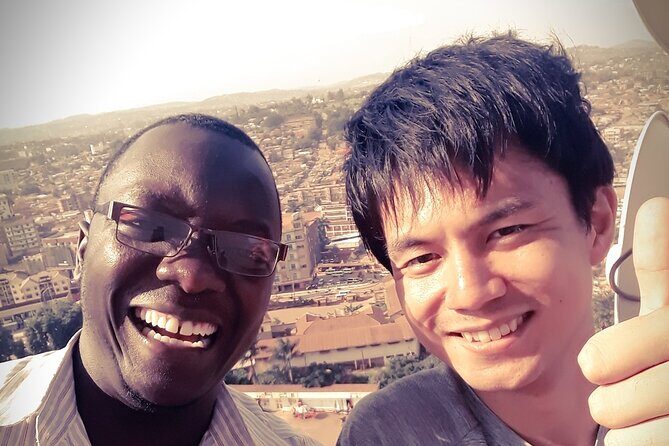
Then there’s a stop at what’s described as the biggest public taxi park in Kampala. Expect organized chaos. That phrase matters: it’s not random, even if it looks hectic at first glance.
Your guide’s role here is what makes this more than a quick watch. You’ll get a better sense of how locals understand and use the system, and why the flow makes sense in real time. I’d treat this section like an observation stop: watch how people signal, move, and coordinate, rather than trying to copy the logistics immediately.
This part isn’t about admission tickets. It’s about context—seeing the city’s motion from the street level.
A Heartwarming Community Moment With Real Human Connections
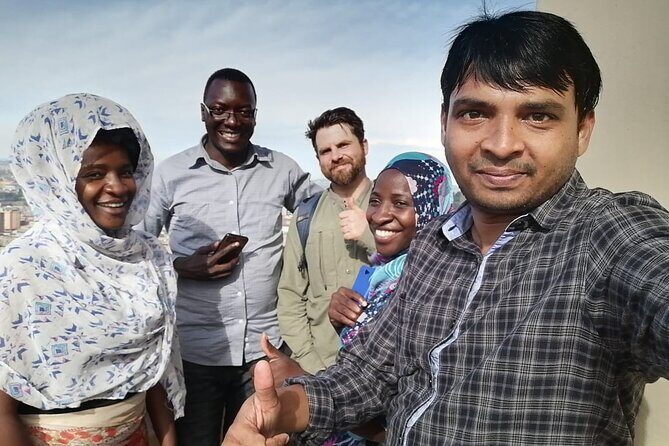
One of the most talked-about parts of the experience is the final community-focused time. The tour description points out that this area is home to some of the most vulnerable populations in Uganda, and that the heart of the stop is human relationships and interactions.
What stands out in how this is framed is the emotional tone: it’s described as heartwarming, with positive attitude and energy. That doesn’t mean it’s a feel-good performance. It means the tour makes space for respectful, human contact instead of keeping things purely observational.
Because the group spends a significant share of time here, you’ll want to bring the right mindset. Keep conversations respectful, follow your guide’s lead, and remember the people around you have real lives—not scenery.
Price and Value: Is $40 a Good Deal for This Route?

At $40 per person for a 2 to 3 hour walk, this price sits in a sweet spot for what you cover. You’re not just seeing one landmark. You’re moving through several major touchpoints: Gaddafi National Mosque, two major markets (Owino and Nakasero), Independence Monument, a taxi-park look, and a community stop.
Also, some key costs are bundled. Admission is included for Owino Market, Nakasero Market, and Independence Monument. The mosque ticket is not included, so that’s your one likely extra fee.
One other value lever: pickup is offered, but at an extra cost depending on your location. If you’re already in Kampala close to the start point, you’ll likely spend less. If you’re farther out, confirm the pickup math early so you don’t get surprised.
The small-group format plus group discounts can also make the “cost per hour” feel fair. And since it’s described as private for your group, you’re not sharing the guide with strangers who might slow down questions.
Timing, Meeting Point, and How the Walk Flows
The tour starts at Gaddafi Close, Gaddafi Cl, Kampala, Uganda, and it ends back at the meeting point. It runs daily between 9:00 AM and 6:30 PM (with the listed operating date range), so you can usually fit it into a city day without too much strain.
It’s also noted as near public transportation, which matters if you’re not arranging pickup. Getting to the start point should be manageable.
As for pacing, the stops add up to about 2 to 3 hours depending on the flow of the walk and how long you spend at photo points and market conversations. The day feels most “structured” at the mosque and monument stops, then more fluid once you hit the markets and taxi park.
Who This Kampala Walking Tour Suits Best
This is a strong fit if you:
- Want a walkable city introduction with context, not a fast checklist
- Like markets, food culture, and seeing local commerce up close
- Prefer a small-group guide who can explain what you’re looking at
- Enjoy a mix of landmarks and street-level reality
It’s less ideal if you want a quiet, purely sightseeing day with minimal human interaction. The community and taxi-park segments are a big part of the tour’s character.
Should You Book This Kampala Walking Tour?
I’d book it if your goal is to understand Kampala quickly and respectfully, with real variety packed into a short time. The standout value is how the route pairs views from Gaddafi National Mosque with market time at Owino and Nakasero, then connects it all to independence symbolism and day-to-day city movement.
Before you commit, do two quick checks:
- Plan for the mosque admission ticket since it’s not included
- Confirm pickup cost if you’re outside the Kampala area, since pickup can add to your total
If those fit your budget and you’re comfortable with an active, human-centered walk, this one is an easy yes.
FAQ
How long is the Kampala walking tour?
The tour lasts about 2 to 3 hours.
How much does it cost?
The price is $40.00 per person.
Is pickup included?
Pickup is offered, but it’s at an extra cost depending on your location. It is not listed as fully included for everyone.
What’s included in the tour stops?
Admission is included for Owino Market/Kampala, Nakasero Market, and the Independence Monument. The Gaddafi National Mosque admission ticket is not included.
Where does the tour start and end?
It starts at Gaddafi Close, Gaddafi Cl, Kampala, Uganda and ends back at the meeting point.
Can I cancel for a full refund?
Yes. Free cancellation is available. You can cancel up to 24 hours in advance for a full refund.

![Kampala boda boda tours [motorbike tours]. - Price and logistics: what $40 really buys (and what it doesn’t)](https://tour.uganda-guide.com/wp-content/uploads/kampala-boda-boda-tours-motorbike-tours.jpg)