REVIEW · KAMPALA
2 Days Chimpazee Safari In kibale Forest Park Uganda.
Book on Viator →Operated by Inspire African Safaris · Bookable on Viator
You’ll start early for chimp tracking in Kibale. This private 2-day safari is built for travelers with limited time, with round-trip Kampala transfers and guided time in one of Uganda’s best chimp regions. I like how it bundles the big essentials up front—permits, overnight lodge, and meals—so you can spend your energy on the forest instead of spreadsheets. The one thing I’d watch is that with only two days, timing and weather can squeeze your chimp opportunities, so you’ll want to be ready for a fast rhythm.
I also like the way the trip uses Day 1 to get you into the area, not just to drive through it. You’ll head west to Fort Portal, then continue into Kibale for either a community walk or crater-lakes views before dinner and an overnight stay at your reserved lodge. On Day 2, you’ll report at Kanyanchu Tourist Centre at 08:00 for a briefing and then trek on foot, where the morning goes quickly and the forest delivers on variety.
One possible drawback: chimp time can vary depending on conditions, and there’s at least one cautionary note from past travelers about destination changes that were suggested after booking. If you’re picky about where you track (or how long you expect to be with the chimps), ask for your final plan in writing before you leave Kampala.
In This Review
- Key things to know before you go
- Why Kibale works for a short chimp trip (and why timing matters)
- From Kampala to Kibale: the Fort Portal drive that sets the mood
- Day 1 in Kibale: crater lakes views or a community walk
- Kanyanchu Tourist Centre briefing at 08:00 and the chimp trek rhythm
- Price and value: what you’re really paying for at $1,850 per person
- Private guide attention and the pace you should expect
- Accommodation and meals: what “reserved lodge” means for you
- A note from past experience: ask about the final chimp plan
- Who this private 2-day chimp safari suits best
- Should you book? My honest take
- FAQ
- How long is the 2-day chimp safari?
- What time do I start and where do I report for the chimp briefing?
- Is this tour private?
- Where is the safari located?
- Is chimp tracking done on foot?
- What’s included in the price?
- Is transportation from my home country included?
- Is accommodation provided on both nights?
- What meals should I expect?
- What if the trip is canceled due to weather?
Key things to know before you go
- Private, just your group: no waiting on other parties, which matters when the forest schedule gets tight.
- Kibale tracking starts at Kanyanchu: a formal 08:00 briefing sets the pace for the chimp trek.
- You trek on foot: the park is only accessible on foot, so bring patience and good walking shoes.
- Day 1 gives you options: community walk or crater-lakes region time, depending on what fits the day.
- Meals and a lodge night are covered: breakfast, dinner, and lunch are included, so you’re not juggling costs mid-trip.
- Two days is intense but focused: great for maximizing chimp odds without a longer safari.
Why Kibale works for a short chimp trip (and why timing matters)
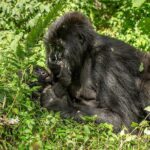
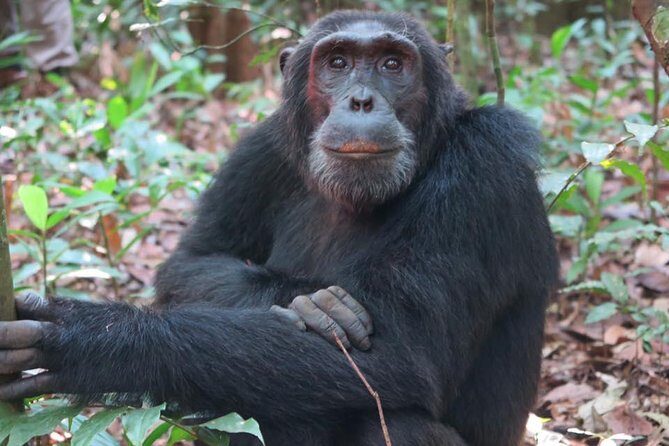
Kibale is famous for primates, and the setup for this safari helps you use those prime morning hours well. On chimp tracking day, you don’t “drive to chimp sightings.” You meet, get briefed, then walk in and look for them. That sounds simple, but it changes everything about how you experience the day: you’ll be reading the forest—sounds, movement, and guide calls—rather than just watching from a vehicle.
This is also a trip that respects how chimp tracking works in real life. Even with permits and expert guidance, the chimps don’t follow a timetable for your convenience. So the value here is less about guaranteeing a perfect sighting and more about optimizing your odds with the right region, the right briefing, and a full day structure around the trek.
In a two-day format, your biggest job is to stay flexible. If the trek takes longer than expected, you’ll still want the calm mindset to enjoy the forest on foot. If it’s quicker, you’ll have an earlier chance to enjoy the rest of the day’s activities and return.
A few more Kampala tours and experiences worth a look

From Kampala to Kibale: the Fort Portal drive that sets the mood
You’ll start from Kampala early, with a listed start time of 6:00 am. Then you’ll head west toward Fort Portal, which is about a 4–5 hour drive. That’s a real chunk of your first day, but it’s also why this itinerary works for people with limited time: you’re not wasting a full day just getting into position.
Lunch in Fort Portal breaks up the road time and gives you a normal reset before you push on to Kibale. After that, the plan is to continue into the park area and shift from road-travel mode into rainforest mode—dinner and overnight at a reserved lodge come after that.
Practical tip: plan to be warm and comfortable during the drive, then bring layers for the forest later. Kibale days can feel like you’re moving between different climates in a single afternoon, and you’ll be happiest if you’re not fighting sticky heat or sudden cool breezes.
Day 1 in Kibale: crater lakes views or a community walk
Day 1’s goal is to get you out of the car and into the area where Kibale delivers its personality. Once you’re in the park region, you’ll have a choice of experiences: a community walk or time in the crater lakes area for views.
A community walk is valuable because it adds context. You get to see how people live around the forest, and it’s a reminder that this is not a sealed-off wildlife theme park. Even if your main focus is chimpanzees, this kind of interaction makes the rainforest feel connected to real daily life.
If you choose the crater lakes region, you’ll get something different: open views and a sense of geography. Those landscapes matter because they help you understand where the forest sits and how the area’s terrain influences travel and wildlife movement. It’s also a nice balance after the drive.
Either way, your day ends with dinner and an overnight stay at your reserved lodge. That matters because it protects you from “late returns” and lets you start chimp tracking day with less fatigue.
Kanyanchu Tourist Centre briefing at 08:00 and the chimp trek rhythm
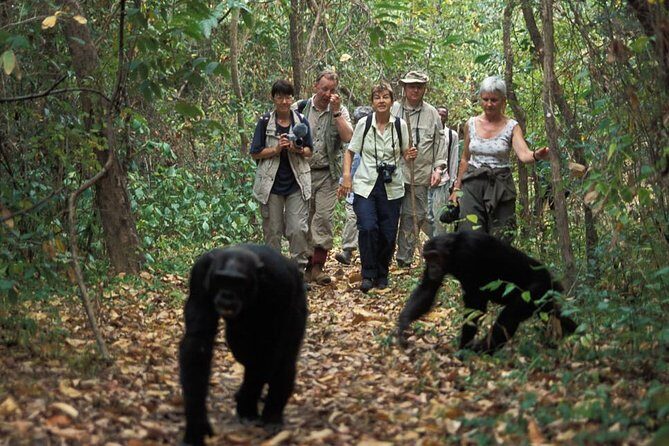
On Day 2, you report to Kanyanchu Tourist Centre at 08:00 for a briefing. This is the moment that turns the trip from logistics into adventure. You’ll get instructions for how tracking works and what to expect behavior-wise once you’re in chimp country.
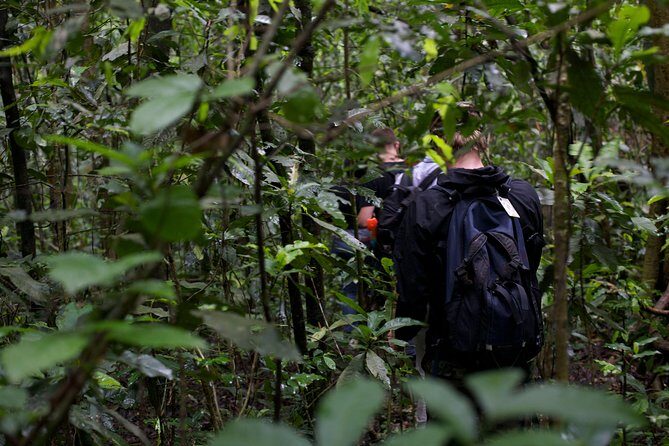
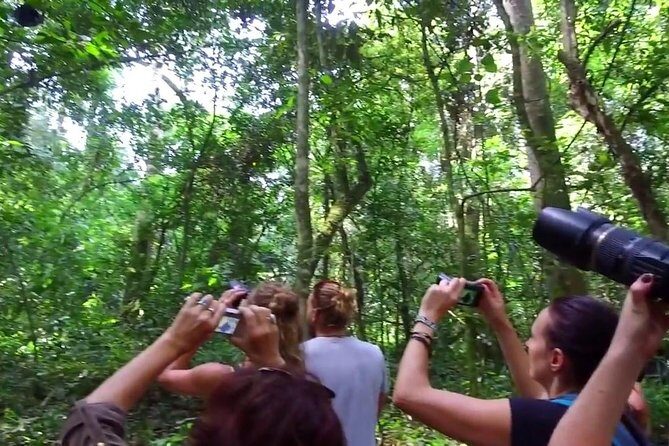
Then the trek begins. The park is accessible only on foot, so you’ll move through the rainforest with your guide, searching for chimps. This part of the experience is often where the “bonus wildlife” happens. Even when chimps are the headline act, you’re also in a habitat for other primates, plus birds, butterflies, and other insects. It’s the kind of day where you may notice things you’d normally step past at home.
What this means for you: wear footwear you trust. You’ll want shoes that can handle damp ground and uneven forest paths. Also, keep your daypack organized. Once you’re tracking, you won’t want to fumble for items while everyone else is focusing on the guide’s attention.
You’ll have lunch during the day, then in the afternoon you’ll head back to Kampala, arriving late in the afternoon. That late return is the trade-off for a two-day trip. You get chimp time, but you don’t get a slow, flexible day buffer.
Price and value: what you’re really paying for at $1,850 per person
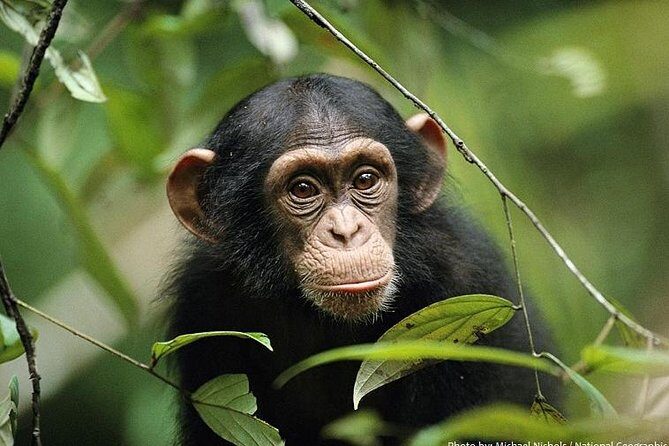
At $1,850 per person, this is not a budget-friendly trip. But the price is easier to judge when you line up what’s included and what it replaces.
You’re covering:
- round-trip transfers from Kampala
- tracking-related planning through the park visit
- a permit and the entry components tied to the experience
- an overnight lodge night
- breakfast, dinner, and lunch
- all fees and taxes (as listed)
So you’re not just paying for the view. You’re paying for a working schedule that moves you from Kampala to Kibale, handles the chimp tracking day with a proper briefing, and takes care of meals and lodging so you can focus on the forest.
Where the price can feel less justified is if you’re the type who will regret any uncertainty. With chimps, there are no guarantees, and with only two days, you may feel the squeeze if timing runs tight. If you’re okay with that reality—and you’re excited about the walk itself—this price starts to look like “cost of doing it right,” not “paying for luck.”
One more value point: this is a private tour. That usually means fewer delays and more direct attention from your guide during key moments, especially at the briefing and while you’re tracking.
A few more Kampala tours and experiences worth a look

Private guide attention and the pace you should expect
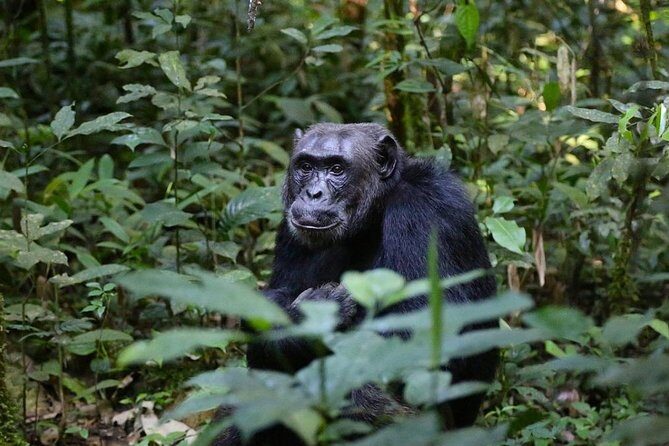
This tour is private, meaning it’s just your group. For chimp tracking, that matters. You’re not competing with other groups for guide time, and the schedule can be managed with less friction. Your guide’s job is to keep the search productive and safe, and a private setup gives them room to focus.
The day pace is clear:
- early start from Kampala
- arrive and settle Day 1 with rainforest-area activities
- Day 2: briefing at 08:00, trek on foot, lunch, then back to Kampala late afternoon
Also note what’s included and what isn’t, because it affects your packing and planning. You’ll have breakfast and dinner covered, plus lunches. But transportation to/from your home country isn’t included, obviously. If your itinerary involves international flights, you’ll still need to handle those costs separately.
If you like clear structure and you don’t want to “figure it out” once you’re in Uganda, a private two-day package is a strong match.
Accommodation and meals: what “reserved lodge” means for you
You’ll stay at a reserved lodge for the one overnight on Day 1. That’s a practical benefit in a short safari because it keeps you from losing energy to last-minute arrangements. It also gives you a predictable place to eat dinner and recharge before an early 08:00 briefing.
Meals are part of the value equation here. Breakfast and dinner are included, and lunch is included on both days. That’s helpful because chimp tracking days often eat your sense of time. When you don’t have to hunt for meals or worry about costs on the move, you can stay present.
On Day 2, no accommodation is provided because you’re returning to Kampala late afternoon. So this is not a “stay two nights in the bush” style trip. It’s a focused route designed to get you back to the city schedule.
A note from past experience: ask about the final chimp plan
A past booking included a suggestion to switch to Budongo Forest after reserving the trip, with the promise of being closer to chimps and staying longer. That’s a reminder to do two things before you go:
- confirm where the chimps trek will actually take place on your dates
- get clarity on what the operator’s plan is if they propose a change
Chimp safaris can be affected by operational factors, and sometimes routes or tracking approaches adjust. You don’t need to fear that. You just need to know what you’re agreeing to, especially when your whole trip is only two days.
If you want maximum control, ask for the final schedule and tracking location details ahead of departure. Your confidence will make the experience calmer when you’re standing at Kanyanchu Tourist Centre at 08:00.
Who this private 2-day chimp safari suits best
This trip is ideal if:
- you have limited time in Uganda and want chimp tracking without stretching into a week
- you prefer private logistics rather than group hopping
- you want transfers, permits/entry components, and meals handled
- you like a structured plan with time for a Day 1 activity (community walk or crater lakes views) and a full Day 2 trek
It’s less ideal if:
- you dislike early starts and a late-afternoon return to Kampala
- you need lots of downtime between activities
- you expect chimps to behave like a scheduled show
Also, the minimum age is 18, so it’s set up primarily for adults.
Should you book? My honest take
If you’re choosing between doing chimp tracking in a rushed way versus doing it with proper support, this is the kind of package that makes your chimp day more realistic. The big reasons I’d book are the included permits/entry components, the one-night lodge stay, and the way Day 2 is organized around a clear 08:00 briefing and a trek on foot in Kibale.
If your top priority is certainty—exact location, exact chimp timing, exact minutes—you should ask careful questions before committing, especially about any last-minute route suggestions. With two days, you’ll feel the impact of any change more than you would on a longer safari.
FAQ
How long is the 2-day chimp safari?
It runs for about 2 days.
What time do I start and where do I report for the chimp briefing?
You have a listed start time of 6:00 am, and on Day 2 you report at 08:00 to Kanyanchu Tourist Centre for a briefing.
Is this tour private?
Yes. It’s a private tour/activity, so only your group participates.
Where is the safari located?
The chimp tracking is in Kibale National Park, with transfers from Kampala and an overnight near the park area.
Is chimp tracking done on foot?
Yes. The park is accessible only on foot, and the chimps trek happens as a walking activity.
What’s included in the price?
Breakfast, dinner, and lunch (2 lunches), plus all fees and taxes. The tour also includes the overnight accommodation on Day 1.
Is transportation from my home country included?
No. Transportation to/from your home country is not included.
Is accommodation provided on both nights?
No. Accommodation is provided for the Day 1 overnight. No accommodation is provided for Day 2.
What meals should I expect?
You’ll have breakfast and lunch, plus dinner on Day 1. On Day 2 you’ll also have lunch during the day.
What if the trip is canceled due to weather?
The experience requires good weather. If it’s canceled due to poor weather, you’ll be offered a different date or a full refund. You can cancel up to 24 hours in advance for a full refund.