REVIEW · KAMPALA
7-Day Murchison Falls, Chimps & Gorilla Trekking
Book on Viator →Operated by Ngoni Safaris Uganda · Bookable on Viator
If you want wildlife that feels real, go. This 7-day Uganda trip strings together Murchison Falls National Park, chimp trekking in Budongo Forest, and gorilla trekking in Bwindi, plus a rhino stop at Zziwa and time to unwind at Lake Bunyonyi. I love how it’s all guided end-to-end, so you’re not trying to figure out forest logistics on your own. I also love that the days are built around the most meaningful wildlife moments: big-game viewing plus one-hour gorilla time. The main drawback to consider is the driving: distances are large, so you’ll spend plenty of hours in the vehicle between parks.
You’ll start with a pickup from Entebbe Airport (aiming for an early arrival), and you’ll finish back at the airport late afternoon/evening if you’re flying out. Past groups have especially praised guides like James for taking care of comfort and guides like Stanley for expert spotting and safe driving. Expect early starts, lots of moving parts, and a schedule that keeps you busy in a good way.
In This Review
- Key highlights you’ll actually feel in your trip
- The value of this route: big wildlife days with built-in guidance
- Murchison Falls National Park: rapids, animals, and a falls hike
- Budongo Forest chimp trekking: forest realism and prime primate time
- The Queen Elizabeth transfer day: where the drive breaks and you rest
- Bwindi gorilla trekking: briefing, the one-hour window, and the big moment
- Zziwa Rhino Sanctuary + Lake Bunyonyi: wildlife tracking and a slower breath
- Price and logistics: what you’re paying for, and what the week demands
- Where the tour starts, ends, and how to plan your flight day
- Should you book this 7-Day Murchison Falls, Chimps & Gorilla Trekking?
Key highlights you’ll actually feel in your trip
- Chimp trekking in Budongo Forest with time to watch other primates and lots of birds
- Murchison Falls game drive + boat trip for hippos, crocodiles, and the famous falls
- Bwindi gorilla trekking with ranger briefing and a full hour in the gorilla presence
- Zziwa Rhino Sanctuary tracking paired with a calmer lake day at Lake Bunyonyi
- Private tour for your group with meals included and a guide who handles the details
- Lodging pacing that saves your energy for the forest days, including memorable nights near Bwindi and the lake
The value of this route: big wildlife days with built-in guidance
This is the kind of safari route that makes sense if you want Uganda wildlife without playing guesswork with timing, permits, and where you’re supposed to be. You get a guided setup that links together four different conservation areas, each with a different mood: open savanna at Murchison, forest at Budongo for chimps, steep rainforest at Bwindi for gorillas, and a quieter reset at Lake Bunyonyi.
What I like most for your planning is that the tour doesn’t just list animals. It organizes your day around the moments you’ll remember: early morning game viewing, boat time that puts you near water wildlife, and that one-hour gorilla encounter window. All meals are included, which matters more than it sounds. In remote areas, food stops can turn into time-wasters. Here, you’re kept moving and fed.
The cost is $3,000 per person, so yes, it’s a serious line item. But it also covers a multi-park circuit, a private guided format, and meals for the week. If your alternative is piecing together separate tours across Uganda, this starts to look like the simpler and often better-value option, even if you still pay a premium for gorilla and chimp experiences.
You can also read our reviews of more hiking tours in Kampala

Murchison Falls National Park: rapids, animals, and a falls hike
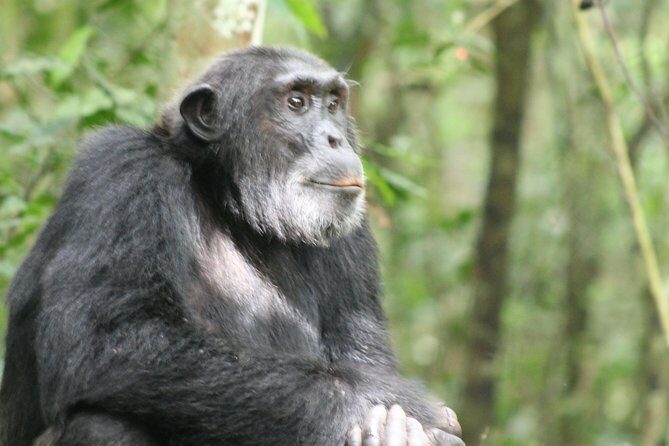
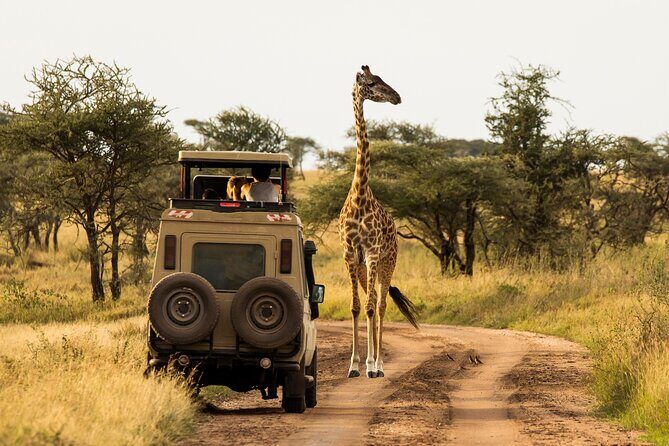
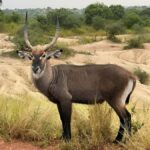
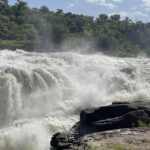
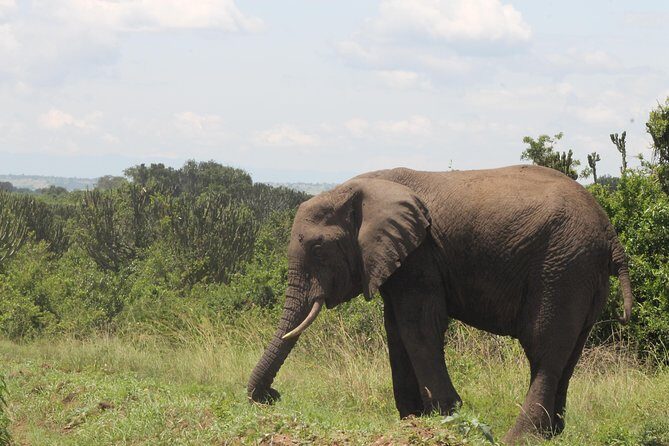
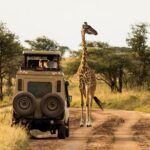
Murchison Falls is the part of the trip that kicks your safari energy into high gear. You’ll begin with a drive into the park where you can expect classic savanna wildlife: lions, giraffes, hartebeest, buffalo, and elephants. If you like birding, this park supports 450 bird species, including options such as the shoebill stork and Goliath heron. That bird list isn’t just trivia. It tells you the ecosystem is rich, and that game drives often come with frequent extras.
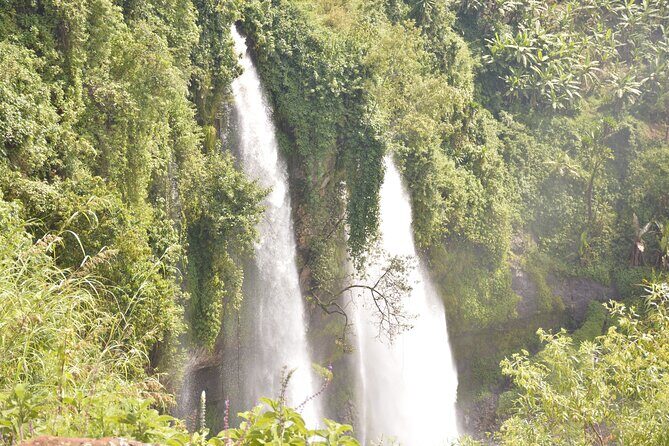
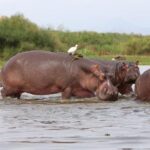
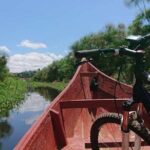
Day 2 is built around an early morning game drive, which is when many animals are more active and it’s cooler for everyone. After lunch, you shift to the water: a boat trip to the base of Murchison Falls, where hippos and Nile crocodiles live close to the action. You also get water birds in the mix, which makes the boat leg feel different from the road leg.
Then there’s the falls hike option. Reaching the top of Murchison Falls requires effort and the trek may be strenuous, but the payoff is described as breathtaking. Here’s the practical take: if you’re the kind of traveler who likes views and doesn’t mind working for them, don’t skip it. If you’re managing energy or mobility, treat it as optional and focus on the boat-and-rapids experience, which is still spectacular.
What to watch for: this day can feel packed because you’re stacking a game drive, a boat trip, and the falls area. In a private tour, your guide can help you pace it, and that’s where a calm, capable driver makes a difference.
Budongo Forest chimp trekking: forest realism and prime primate time
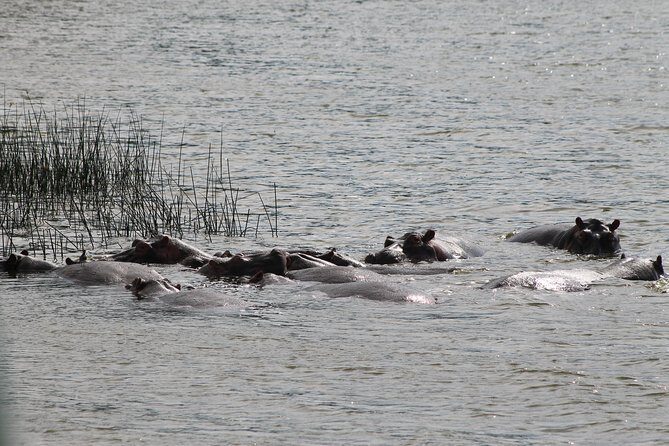
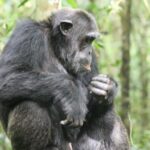
After Murchison’s open-country excitement, Budongo Forest changes the whole feel of the trip. Budongo is known for heavy wildlife variety, including about 800 chimpanzees. Your chimp trekking day is designed with the right lead-in: after breakfast, you travel into the Budongo area and then go chimp trekking with a guide.
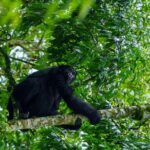
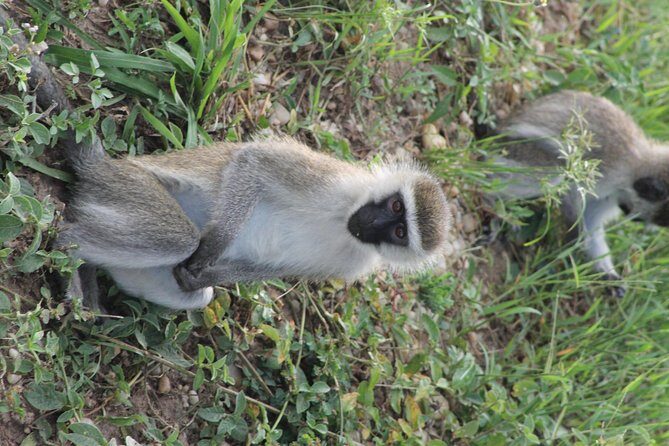
One of the best reasons to do chimps here is that you’re not only searching for one animal. You can also run into other primates like black-and-white colobus monkeys, red-tailed monkeys, baboons, and grey-cheeked mangabeys. Budongo is also rich for birds, with over 360 bird species, so it’s not unusual to have bird spotting run alongside primate spotting.
Here’s the practical mindset to bring: chimp trekking is a tracking-and-waiting experience as much as it is a walking one. Your guide helps you locate the best chance to see them, and that’s the difference between a magical encounter and a frustrating one.
Why I think this day is a standout for you: it gives you a taste of chimp behavior in their real habitat, not a zoo-style show. It also balances the harder trekking day to come, because even though Budongo involves forest time, it’s not the same high-stakes, hour-regulated gorilla day.
The Queen Elizabeth transfer day: where the drive breaks and you rest
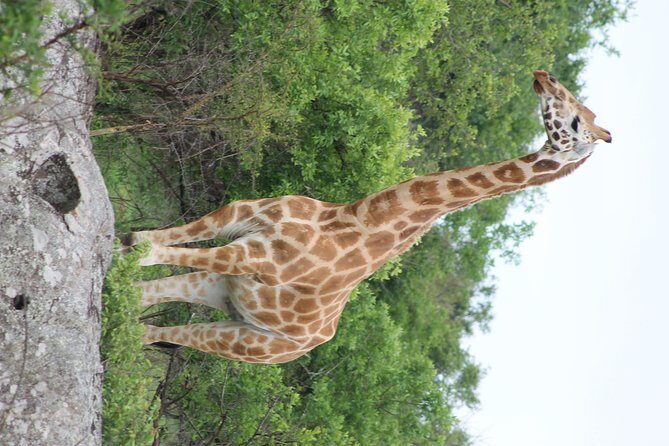
This itinerary includes a quieter in-between day that helps protect your energy. After your chimp trek day, you don’t just drive straight through to Bwindi with no recovery. You’ll have a day that involves moving on toward Queen Elizabeth National Park and spending the night at a booked accommodation there, so you can relax and reset before the gorilla segment.
This matters because the overall week involves real distances across Uganda. You’ll get long road hours, and the only way to handle that without feeling wrecked is to build in breaks. A rest day like this also gives you some flexibility in how you handle the next day’s forest terrain.
If you tend to get travel-fatigue easily, this is a good sign. It’s not just fast travel; it’s structured pacing.
Bwindi gorilla trekking: briefing, the one-hour window, and the big moment
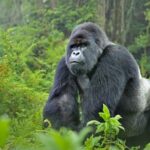
Bwindi Impenetrable National Park is where the week turns into something you’ll talk about for years. Bwindi is home to mountain gorillas, with over 300 listed in the park. Your drive on this day takes you through scenic country and changes in terrain, including passing the Equator and going via Mbarara for lunch, then through Savannah grasslands. The drive also includes Kigezi Highlands, banana plantations, and long-horned Ankole cattle—the kind of visuals that make the journey part of the story.
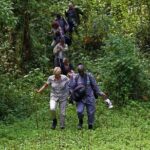
The gorilla day itself starts early with a ranger guide briefing. Then you enter the gorilla sanctuary for your trek. The terrain is steep and dense, and the guide’s briefing matters because it sets expectations for how long you’ll hike, how the group moves, and what you should do once you locate gorillas.
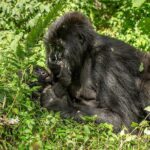
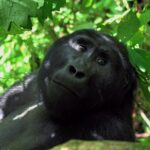
Once your group is found, you get an hour in their presence. That hour is the heart of the trip. It’s the part where you watch how the gorillas move, feed, and react—gentle and powerful at the same time. This is also where having the right guidance pays off. Ranger support helps you follow safely and keep the experience respectful and smooth.
Practical consideration: because this is a regulated, time-window experience, you should be ready for a day that feels intense even if you don’t do the longest hike of your life. You’re trading sleep-in comfort for a once-in-a-lifetime hour.
Past groups have described the lodging around this stretch as a major win too, especially the last two nights at the Gorilla camp and then the lake—a nice way to end a big trekking day with a softer landing.
A few more Kampala tours and experiences worth a look
Zziwa Rhino Sanctuary + Lake Bunyonyi: wildlife tracking and a slower breath
Not every safari has a clean break between hard wildlife days. This one includes both the excitement of tracking and the relief of scenery downtime.
You’ll have time for rhino tracking at Zziwa Rhino Sanctuary, and you also get a full Lake Bunyonyi stop. That pairing is smart. Rhino tracking gives you another threatened species experience beyond primates, and then Lake Bunyonyi gives you a chance to decompress after trekking.
Lake Bunyonyi is especially valuable late in the week. By then, you’ve already had Murchison’s boat and falls, Budongo’s forest search, and Bwindi’s gorilla intensity. So the lake functions like your emotional rehydration: fewer hard decisions, more resting, and a setting that makes the whole safari feel complete.
If you’re the type who likes to take photos but also wants quiet time to process what you just saw, this part of the week is worth it.
Price and logistics: what you’re paying for, and what the week demands
Let’s talk numbers. At $3,000 per person, this isn’t a budget trip. But your money isn’t only paying for transportation. You’re paying for a private tour, guided tracking across multiple parks, and all meals included. Also, chimp and gorilla trekking are inherently premium activities because of how regulated and ranger-managed they are.
The most important logistics point is also the one thing I’d plan around from day one: the driving time. One review noted that the trip involves a lot of driving because distances are large. That can sound annoying on paper, but it’s also the cost of getting a true circuit across Uganda instead of staying in one region.
How to make that work:
- Bring patience for long road stretches and use that time for rest.
- Pay attention to early starts. The tour is built around morning wildlife.
- Trust your guide on pacing; a safe driver and a good spotter make the trip feel smoother, not tougher.
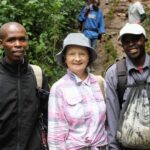
And this is where guide quality can change the vibe. Guides like James have been praised for making sure everyone is comfortable. Guides like Stanley have been praised for being an expert game spotter and for safe driving. That’s not a small detail. It affects whether the hours on the road feel stressful or manageable.
Where the tour starts, ends, and how to plan your flight day
You start at Entebbe Airport with a start time of 7:00 am, and you return to that same meeting point. Pickup is offered, and the tour uses a mobile ticket.
Your final day includes a return journey to Entebbe with enroute stopovers in Mbarara for lunch and time at the Uganda Equator line mark in Kayabwe for photos. You may also have a chance to buy art pieces along the way if you want. The plan is to arrive in Entebbe late afternoon/evening, and it’s recommended to schedule a late afternoon or evening outbound flight if you’re flying.
That’s the practical travel advice that can save you stress. Don’t book a tight morning departure unless you love airport-run marathons.
Should you book this 7-Day Murchison Falls, Chimps & Gorilla Trekking?
I’d book this if you want a serious Uganda wildlife circuit—Murchison Falls, chimp trekking in Budongo, and gorilla tracking in Bwindi—without having to juggle separate bookings and park-to-park logistics yourself. It’s especially a good fit if you value guidance and structure, because the trek days are managed through ranger and guide coordination, and the rest of the itinerary helps you keep your energy for those big moments.
I’d think twice if you’re very sensitive to travel time or you don’t want a week that includes lots of long drives. Also, the falls hike can be strenuous, so be honest with yourself about hiking comfort.
If your ideal safari includes both high-adrenaline wildlife moments and a later-week chance to slow down at Lake Bunyonyi, this route makes a lot of sense. And with guides who’ve been noted for comfort, spotting, and safe driving, you’re set up for a trip that feels smooth—even when the week is busy.