REVIEW · KAMPALA
8-Day Classic Uganda Primates & Wildlife Tour
Book on Viator →Operated by Nkuringo Safaris Ltd · Bookable on Viator
Uganda gets under your skin fast, especially on an 8-day primate-and-wildlife run. This route pairs gorilla trekking in Bwindi with chimp tracking in Kibale, then caps it off with classic park wildlife along the way. You get the sense you are traveling through real Uganda, not just hopping between checkboxes.
I especially like the way the days are paced: you have real wildlife time (game drives and boat rides) and then you shift into forest time for primates. I also like that the tour is run as a true private experience with a dedicated guide/driver in a 4×4 Land Cruiser, so the long roads don’t feel like wasted time. One possible drawback to plan for is that some activities start early and the gorilla forest time can’t be timed perfectly.
There’s also a lot of value packed into the price, because major costs like gorilla and chimpanzee permits are included, plus accommodations and full-board meals across the itinerary. Still, it’s not a soft-and-slow vacation: you should be ready for several days of walking and early starts, and you may want to budget extra for optional add-ons like shoebill tracking.
In This Review
- Key highlights you’ll actually feel on the trip
- Why this 8-day Uganda route works so well
- Entebbe start: airport pickup and a flexible first afternoon
- Lake Mburo: the savanna warm-up before Bwindi gorillas
- The long drive to Bwindi (and why early mornings matter)
- Bwindi gorillas: briefing at 7:30 and the one-hour reality
- A bonus forest culture walk with Batwa elders
- Bwindi hiking to Buhoma, then Ishasha tree-climbing lions
- Queen Elizabeth: Kasenyi tracks and Kazinga Channel cruising
- The Kazinga Channel boat safari at 14:00
- Kibale chimp trekking and Bigodi Wetlands nature + village life
- Chimp trekking at 7:30
- Bigodi Wetlands Sanctuary optional walk
- Entebbe on Day 8: the ride out and a comfortable send-off
- Value and real costs: what’s included, what you’ll likely add
- The guides and organization factor you’ll feel in the bush
- Who this trip suits best (and who might want a different pace)
- Should you book this 8-day Uganda Classic?
- FAQ
- What are the key experiences on this tour?
- Where does the tour start, and what time?
- Is airport pickup or transfer included?
- Is this a private tour?
- Are gorilla and chimpanzee permits included in the price?
- What about insurance or evacuation coverage?
- What meals are included?
- What is not included in the tour price?
- Is there a vegetarian option?
- What should I know about cancellation?
- Is shoebill tracking at Mabamba Swamp included?
Key highlights you’ll actually feel on the trip
- Private guide/driver in a 4×4 so you can ask questions, adjust pacing, and get better wildlife positioning
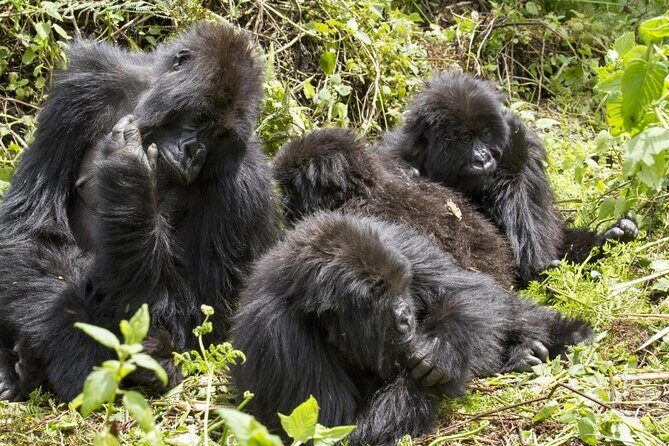
- Gorilla trekking in Bwindi with rangers and trackers guiding the whole process, not just ticket pickup
- Chimpanzee trekking in Kibale where you target human-habituated groups for a more likely close encounter
- Lake Mburo and Queen Elizabeth wildlife time with both savanna game drives and Kazinga Channel cruising
- Tree-climbing lions in Ishasha as a specialty stop, not a random roadside sight
- Optional culture nature extras like a Batwa forest trail and a Bigodi Wetlands walk
Why this 8-day Uganda route works so well
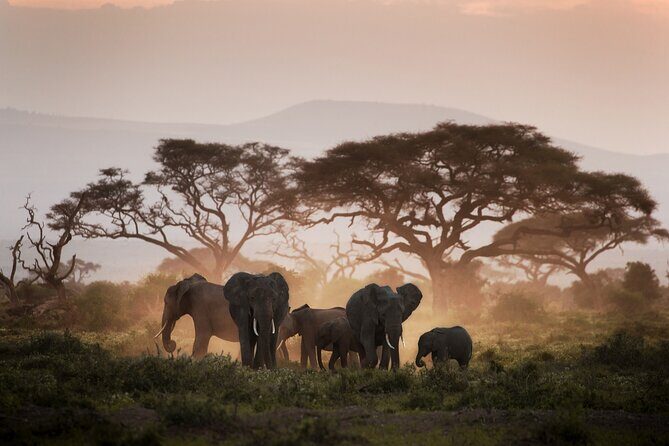
This tour is built around two of Uganda’s biggest primate experiences: mountain gorillas in Bwindi Impenetrable Forest and chimpanzees in Kibale National Park. What makes it work isn’t just the wildlife headline. It’s the order of the trip and the variety of environments you get: lake and savanna parks, rolling tea-country drives, then deep forest trekking days.
You’re not stuck doing one long type of activity. You’ll do early game drives, a boat safari, and forest treks that require patience and stamina. That mix is a big part of the appeal. If you want animal sightings but also want the feeling of being in the places those animals live, this gives you both.
I also like that the tour emphasizes getting off the beaten track in a 4×4. In Uganda, roads and timing matter. A vehicle that can handle rougher stretches helps keep the trip on track and reduces the stress of constant transfers.
A few more Kampala tours and experiences worth a look
Entebbe start: airport pickup and a flexible first afternoon
Day 1 starts in Entebbe with a driver greeting you at Entebbe International Airport and transferring you to your hotel. This matters more than people think. After a flight, it’s a relief to skip figuring out local transport and settle quickly.
If you arrive early, you get options to ease into the country. You may find nature walks in botanical gardens, local market strolling, or time at malls. There’s also the Mabamba Swamp side trip for shoebill tracking by boat—one of Uganda’s most talked-about bird experiences—though this is an extra charge.
Tip for timing: plan to keep your energy for the safari driving days ahead. Shoebill tracking is popular, but it’s still an add-on. If you’re tired from your flight, a lighter first day can pay off.
Lake Mburo: the savanna warm-up before Bwindi gorillas
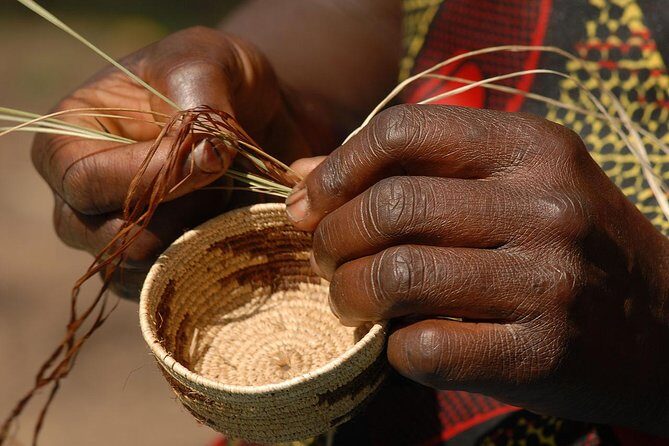
Day 2 is your bridge from central Uganda toward the western parks. You drive through planted fields, banana areas, and cattle country, with a couple of interesting stops along the way. You can catch a view at an equator photo stop, and there’s a chance to see traditional/local artifact production at Mpambire.
Then you arrive at Rwakobo Rock Lodge in time for lunch, and you use the afternoon for a game drive in Lake Mburo National Park. This part is practical: Lake Mburo isn’t about being the biggest park in the region. It’s about variety and quick wildlife payoff—buffalo, zebra, impala, eland, warthogs, and bushbuck are all on the radar.
You can also add on extra time:
- a one-hour boat safari (good for crocodiles, hippos, and water birds)
- or a horseback safari (at an additional cost)
Small drawback: optional add-ons usually cost extra. Build in a little flexibility in your budget if you want them, especially since the core itinerary already delivers game drive time.
The long drive to Bwindi (and why early mornings matter)
On Day 3, you start with a sunrise game drive in Lake Mburo National Park before heading toward Bwindi Impenetrable National Park. The early start is not just for bragging rights. Animals are often more active at dawn, and the cooler light tends to make sightings easier.
The drive to Bwindi passes through southwestern Uganda’s rolling hills and tea plantations, with the Virunga Volcanos often visible in the distance. This is one of those travel days where the scenery helps you forget how many hours you’ve been in a car.
You arrive at Nkuringo Bwindi Gorilla Lodge. One detail you should plan around: the final approach includes a 32-kilometer stretch of countryside dirt road. That can mean a bumpy ride, so it’s smart to pack something for comfort (and take the dirt road as part of the adventure, not a surprise).
Bwindi gorillas: briefing at 7:30 and the one-hour reality
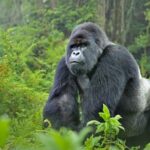
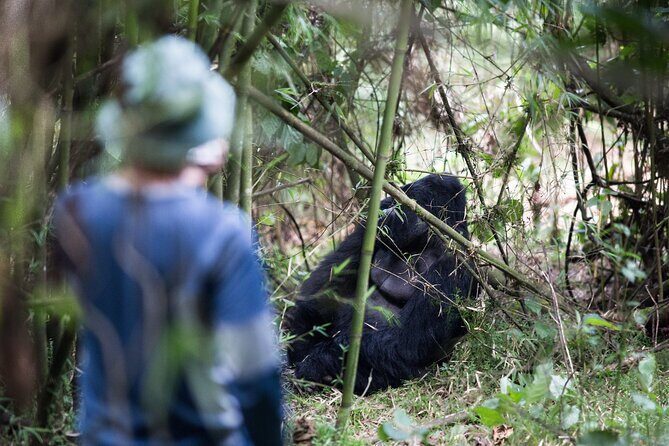
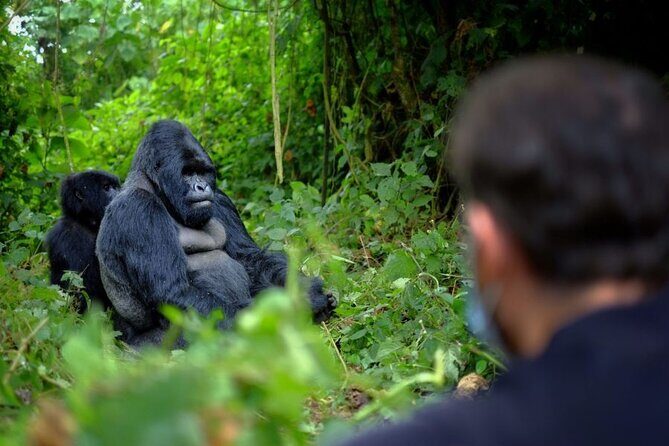
Day 4 is the gorilla day, and it’s run like a process—because it is. You wake up early, eat breakfast, and meet your driver for the visitor center briefing at 7:30 am. From there, park rangers and trackers handle the structure:
- you’re assigned a gorilla group
- you travel with two armed rangers and a tracker guide
- the time in the forest can’t be guaranteed
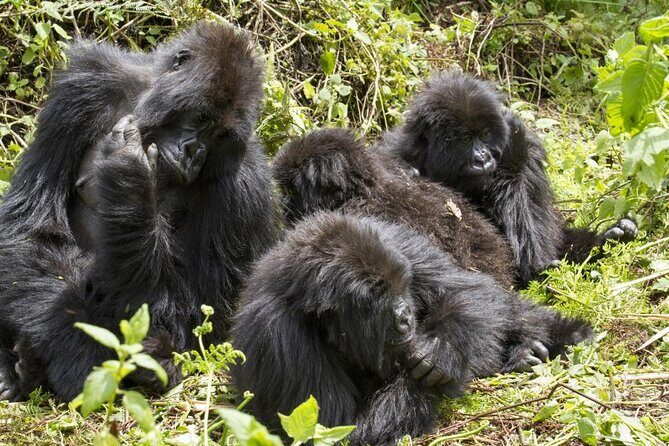
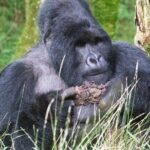
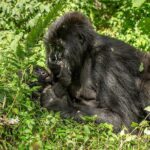
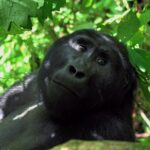
That last point is huge. The trekking is real, and forest time varies depending on where the gorillas are. When you finally locate your group, you’ll spend one hour observing them with guidance from the rangers, then you’ll be led out of the forest.
What I’d call the best part: you don’t feel like you’re wandering on your own. The rangers and tracker system helps you stay safe and learn what you’re looking at. It also keeps the experience respectful and organized.
A bonus forest culture walk with Batwa elders
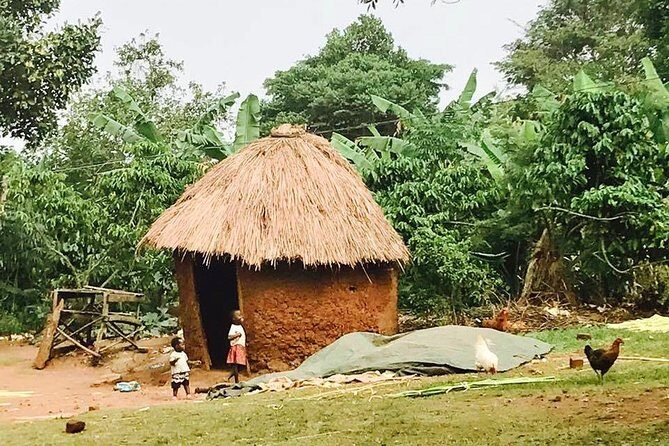
After gorillas, you can join a Batwa cultural elders trail near the lodge. This includes a forest trail experience that takes about two hours and includes a re-enactment of daily life before the area became a National Park.
Practical note: this is still outdoors, still walking. If your gorilla trek day left you tired, pace yourself and don’t try to “win” the day with extra energy.
Bwindi hiking to Buhoma, then Ishasha tree-climbing lions
Day 5 turns your forest focus up a notch. You hike on ancient walking trails through Bwindi. You travel from the Nkuringo south side toward the Buhoma visitor center in the north, guided for about 4–5 hours (with the day’s program listed as a longer block).
This is where you can get more than gorillas. You might spot chimps, forest elephants, duikers, forest buffalo, and other forest species, depending on the day. Even if you don’t see everything, the trail experience is often what people remember: quiet, green, and full of small signs of life.
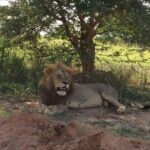
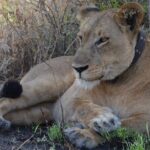
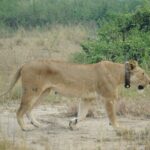
Once you finish the hike and meet your driver, you head to Queen Elizabeth National Park and specifically to the Ishasha savannah plains. This is the specialty lion area where you have a chance at tree-climbing lions. They often lounge in branches for hours, and the behavior is thought to help them deal with heat and insects on the ground.
Possible drawback: Ishasha sightings can be weather-and-timing dependent, just like most wildlife. Don’t count on a lion in a tree as a guaranteed photo shot; count on the search and the experience.
Queen Elizabeth: Kasenyi tracks and Kazinga Channel cruising
Day 6 gives you two big wildlife formats: land and water.
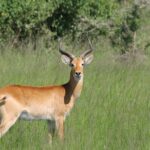
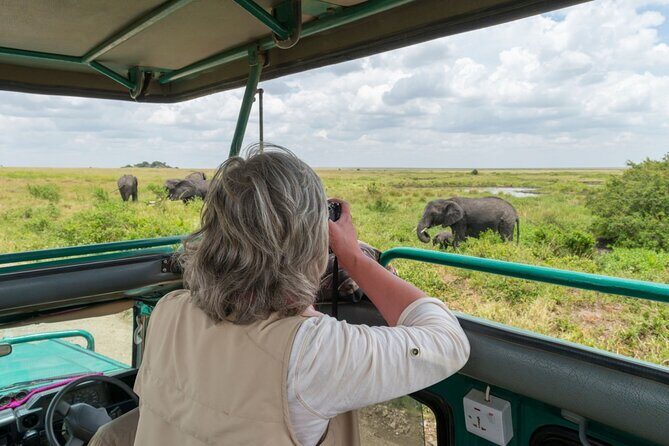
In the morning, you can go out on an early game drive or an evening drive on Kasenyi tracks. This is prime ground for elephants and buffalo herds, plus a menu of antelopes like Uganda kob, topi, and bushbuck. The giant forest hog is listed as unusually easy to spot here, and leopards are something you can search for if you’re patient on the right tracks.
The Kazinga Channel boat safari at 14:00
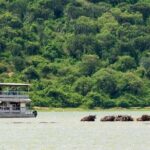
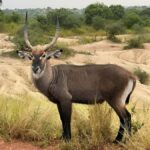
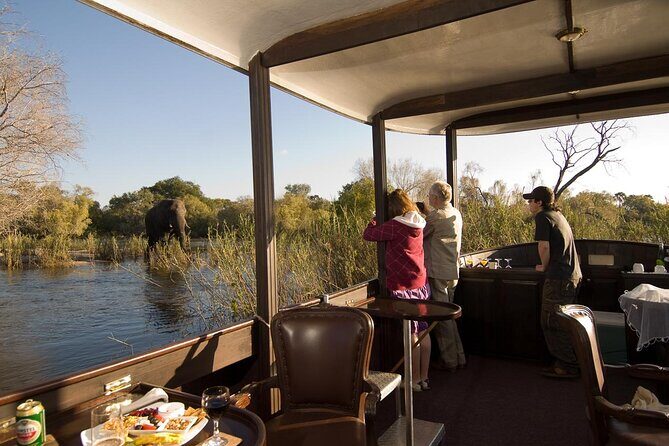
After lunch, you board a safari boat for the Kazinga Channel cruise at 14:00. This timing tends to work well for watching animals come to drink. The channel is famous for large hippo populations, and you’ll likely see hippos, elephants, buffalo, waterbuck, and Uganda kob.
You also may see crocodiles and a water monitor lizard. Predators and other creatures also have a better chance of showing up during the afternoon, when animals are active near the shoreline.
I like this day because it slows the pace. A boat safari is less about exhausting trekking and more about steady observation. It gives you time to watch behavior: how animals move, where they gather, and how the ecosystem connects across land and water.
Kibale chimp trekking and Bigodi Wetlands nature + village life
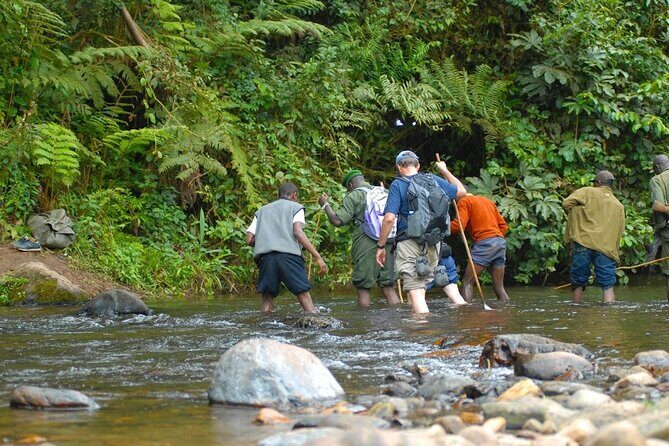
By late afternoon on Day 6, you drive to Kibale National Park with the Rwenzori Mountains in the background. You reach for dinner and then spend the next two nights in the primate-focused region.
Chimp trekking at 7:30
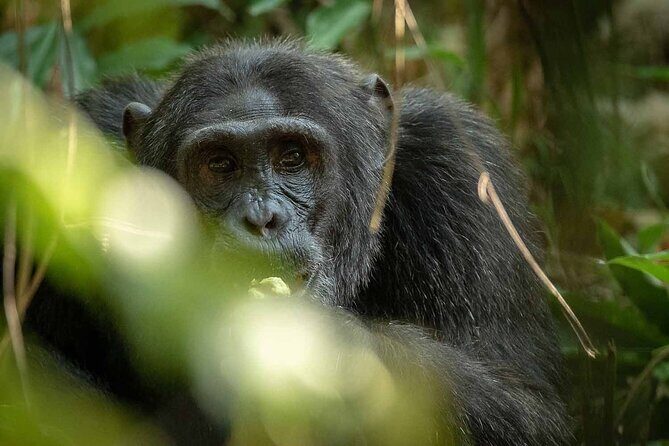
Day 7 is chimp day. You’re up early again for a 7:30 am start at the visitor center. Kibale is known for a high density of primates, and your goal is to find human-habituated chimpanzees.
You’ll travel with an expert tracker. Along the way, you might see other primates such as L’Hoest’s monkey, red colobus, black-and-white colobus, red-tailed monkey, blue monkey, olive baboon, and grey-cheeked mangabey. You’re not just looking for chimps in isolation—you’re scanning for the whole primate mix in the canopy.
Real talk: this is still forest trekking. You’ll want to keep a calm, patient mindset. When chimps move, the whole group moves with them—so you get the excitement, but also the “wait and watch” part of the experience.
Bigodi Wetlands Sanctuary optional walk
In the afternoon, you can go to Bigodi Wetlands Sanctuary with a local guide for a nature walk. This is a great complement to Kibale because it adds birds and a lighter walking feel (listed as about a 3-hour block).
Bigodi is associated with over 200 bird species and is noted for sightings like the great blue turaco. You may also spot primates such as black-and-white colobus, grey-cheeked mangabey, and red-tailed monkey. The sanctuary experience can also include a Bigodi village element, where you learn about local customs and daily life. It’s described as supporting the community through ecotourism livelihoods.
Entebbe on Day 8: the ride out and a comfortable send-off
Day 8 is your return to Entebbe. After breakfast, you take a scenic drive through Fort Portal, with the Rwenzori Mountains accompanying you as you exit western Uganda and head toward Entebbe via Kampala.
When you arrive, you can refresh at Papyrus Guest House before catching your international flight. Accommodation for this day isn’t included, though the operator says they can help book a room based on your preferences.
Heads up: Papyrus Guest House isn’t described as a dream hotel by everyone. If you’re picky about the final-day lodge, you may want to plan your own buffer time and choose a place that fits your taste.
Value and real costs: what’s included, what you’ll likely add
This tour is priced at $5,389.00 per person for an 8-day trip. On its face, that’s not cheap. The value shows up in what’s packaged:
Included:
- accommodation as per the itinerary with full board meals
- a local experienced safari guide
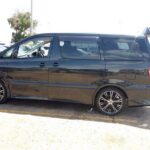
- a 4×4 Land Cruiser
- gorilla and chimpanzee permits included
- Amref evacuation cover included
When permits are included, you’re not trying to guess what your trip will finally cost once you’re already in Uganda. Gorilla and chimp permits are major components of the overall budget, and having them covered changes how you plan.
Not included:
- excess luggage charges (if they apply)
- alcohol
- visas (with the note that Uganda paperwork is handled in advance and Rwanda is on arrival if your wider trip includes it)
Also note: you may have optional costs depending on your choices, such as Mabamba shoebill tracking or adding horseback/boat extras in Lake Mburo.
My best advice: set your budget for optional add-ons early, then decide which ones you actually want. You’ll enjoy the trip more if you’re not doing cost math every afternoon.
The guides and organization factor you’ll feel in the bush
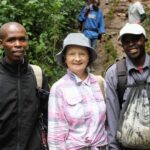
One of the strongest themes in the feedback around this safari style is the human factor: you’re not just getting a driver. You’re getting someone who can find animals, explain what you’re seeing, and keep you safe.
Names that show up repeatedly with high praise include Remmy (including Remmy Kityo), Patrick (including Patrick Yiga and Papa Patrick), and Milton Saturday. People also describe feeling safe during drives and pleased by how early starts and timing were handled.
That matters because wildlife safaris are partly luck. When the guide is sharp—spotting, reading the road, and managing the group—you increase your odds of good sightings and reduce stress when plans shift due to animal movement or forest conditions.
Who this trip suits best (and who might want a different pace)
This tour says it requires moderate physical fitness. That’s accurate for the mix: primate treks, walking trails, and early mornings. You also have the gorilla-forest variables to consider—sometimes you might be in the forest longer than you expect.
This is a good fit if:
- you want gorillas and chimps in one trip
- you like the combo of forest treks and classic safari game drives
- you prefer a private setup rather than a big group bus vibe
- you want a guide who can spot wildlife and keep you informed
It may not be the best fit if:
- you strongly dislike long car days (the route involves driving between multiple parks)
- you’re looking for a fully effortless vacation with zero early starts
- you need very consistent day timing, because forest trekking time can’t be locked in
Should you book this 8-day Uganda Classic?
I’d book it if your top priorities are Bwindi gorillas, Kibale chimps, and serious wildlife time in parks like Queen Elizabeth and Lake Mburo. The price makes more sense when you realize the big primate permits and the main transport setup are already included, plus accommodation and full-board meals across the week.
I’d think twice if you’re extremely sensitive to early mornings or you want zero uncertainty. Gorilla trekking comes with unknown forest duration, and the trip includes enough driving that you’ll want to tolerate winding roads and dirt stretches.
If you like adventure with structure—set moments, strong guiding, and real animal time—this one fits.
FAQ
What are the key experiences on this tour?
You’ll go on gorilla trekking in Bwindi Impenetrable National Park and chimpanzee trekking in Kibale National Park. You also get game drives and a Kazinga Channel boat safari in Queen Elizabeth National Park, plus wildlife time in Lake Mburo National Park.
Where does the tour start, and what time?
The tour is in Kampala, Uganda, and the meeting/start time is 8:00 am.
Is airport pickup or transfer included?
Yes. The itinerary includes a driver transfer from Entebbe International Airport to your hotel on arrival, and pickup is offered.
Is this a private tour?
Yes. The tour/activity is private, and it’s operated with just your group and a guide/driver.
Are gorilla and chimpanzee permits included in the price?
Yes. Gorilla and chimpanzee permits are included.
What about insurance or evacuation coverage?
Amref evacuation cover is included.
What meals are included?
Accommodation is included as per the itinerary with full-board meal arrangement.
What is not included in the tour price?
Not included items are excess luggage charges (where applicable), alcohol, and visas (with Uganda applied for in advance and Rwanda obtained on arrival if relevant to your wider travel).
Is there a vegetarian option?
Yes. A vegetarian option is available if you advise at the time of booking.
What should I know about cancellation?
Free cancellation is offered. You can cancel up to 24 hours in advance for a full refund; within 24 hours there is no refund.
Is shoebill tracking at Mabamba Swamp included?
Mabamba Swamp shoebill tracking is listed as not included, and it would incur an additional charge.