REVIEW · KAMPALA
African Fabric Market Tour
Book on Viator →Operated by Yimba Fashions · Bookable on Viator
Kampala fabrics meet real tailoring help. You’ll spend about 1–2 hours with Yimba Uganda youth fashion designers as you browse Kitenge fabrics in downtown markets, then sit down to shape your own custom clothing idea. I especially like that you get hands-on guidance for choosing fabric and working with local pricing, and that the tour starts with a quick look at the area’s transport scene before you jump into the cloth hunt. One thing to keep in mind: the market area can feel like a maze, so you’ll want patience.
This is a practical, short activity with a mobile ticket, built for travelers who want more than just photos. You start at Standard Supermarket (Mega Aponye Branch) on Burton St in Kampala, then the experience ends back at the same meeting point. At $13 per person, the value is strong if you’re serious about picking fabric for a real custom outfit and supporting youth training through the project.
In This Review
- Key Things to Know Before You Go
- What You’re Really Doing: Fabric Shopping Plus Custom Outfit Planning
- Old Taxi Park: A 10-Minute Reality Check Before You Hit the Cloth Maze
- Owino Market Fabric Hunt: How to Shop Without Losing Your Bearings
- From Fabric to a Custom Outfit: Meeting With the Yimba Designer
- Price and Value: Is $13 Worth 1–2 Hours?
- Meeting Point on Burton St: The Simple Plan to Start Smooth
- Practical Tips That Make the Tour Easier (and Better)
- The Cause Behind the Shopping: Why This Feels More Meaningful
- Who Should Book This Fabric Tour (and Who Might Skip It)
- Should You Book the African Fabric Market Tour with Yimba Uganda?
- FAQ
- Where does the African Fabric Market Tour start?
- How long is the tour?
- How much does it cost?
- What stops are included?
- What is included in the price?
- What is not included?
- Is this tour private?
- Is the ticket mobile?
- When do I get confirmation after booking?
- What’s the cancellation policy?
Key Things to Know Before You Go
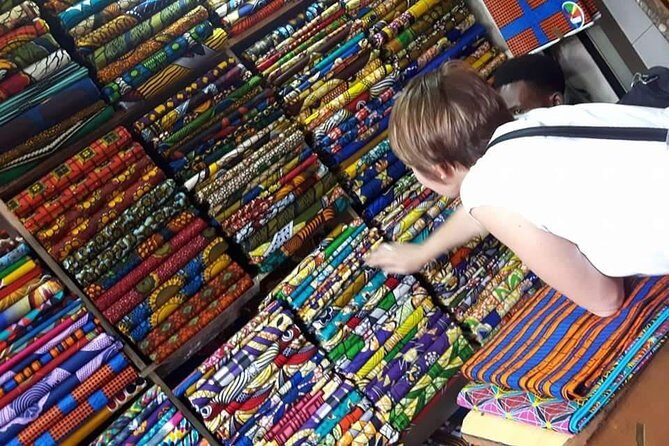
- Youth designers guide your fabric choices and custom outfit planning so you’re not figuring it out alone
- Old Taxi Park gives quick context for what Kampala feels like day-to-day before the markets
- Owino Market fabric selection is the main event, with lots of Kitenge options to compare
- You’re set up for fairer pricing, thanks to tailor support while you shop
- 100% of profits support training and empowering more youth, so your spend has a direct purpose
What You’re Really Doing: Fabric Shopping Plus Custom Outfit Planning
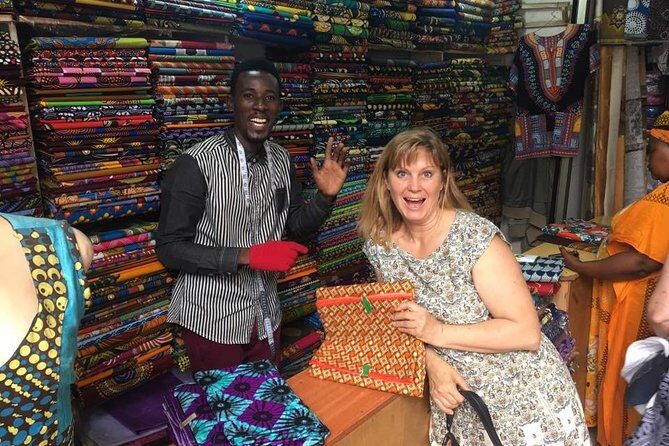
Think of this as two parts that work together: first, you learn how to shop for cloth in Kampala’s downtown market maze; second, you translate that fabric into a clothing plan with local designers.
The centerpiece is Kitenge fabric, the bold, patterned cloth Uganda is famous for. What I like about this setup is that you’re not just admiring prints—you’re choosing material with an end goal in mind. If you care about style and fit (even if you’re not sewing yourself), picking fabric early makes the whole process smarter.
Then comes the part that turns it from shopping into a story: you sit with a Yimba designer after you select your fabric. You can be aiming for a dress, a suit, or something more unusual. Even if you’re not sure what you want yet, the design conversation is the place where your ideas start getting practical.
You can also read our reviews of more tours and experiences in Kampala.



Old Taxi Park: A 10-Minute Reality Check Before You Hit the Cloth Maze
The tour kicks off at Kampala Old Taxi Park, with a short stop of about 10 minutes. The point here isn’t long sightseeing—it’s orientation. You get a birds-eye view of the big, organized chaos of Kampala public transport, which helps explain why downtown areas can feel energetic and noisy.
This quick stop also sets expectations. Once you understand how fast-moving and busy the transport scene is, you’ll be less surprised by the market feeling like a tight maze of people, stalls, and fabric stacks. If you’re the type who gets stressed in crowds, this is your chance to mentally switch gears early.
Also, the admission ticket for this stop is listed as free. That keeps the tour simple and makes your time go where you want it most: fabric selection.
Owino Market Fabric Hunt: How to Shop Without Losing Your Bearings
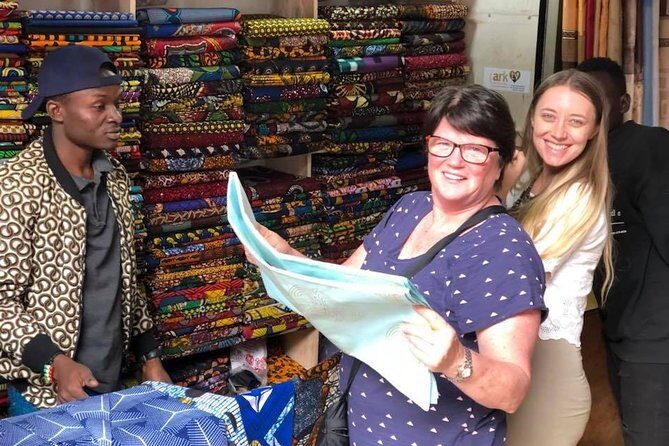
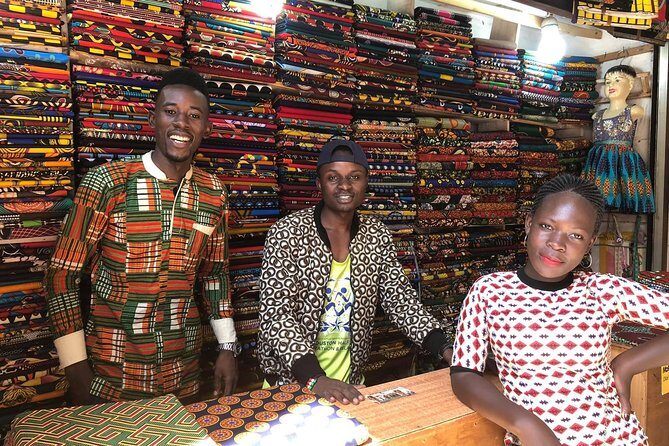
The main stop is Owino Market/Kampala, about 40 minutes. This is where you weave through the market and browse a big array of African fabrics—again, mainly Kitenge—while you decide what could work for your custom outfit.
In places like this, the challenge isn’t finding fabric. The challenge is comparing it fast and choosing with your future clothing plan in mind. That’s where the designer-tailor support matters. You get help finding local prices and picking fabric that matches your design vision, not just whatever looks good under the market lights.
The best advice I can give you from the way people describe the experience: treat the market like a search game with a goal. Go in thinking about:
- the kind of outfit you want to make (dress, suit, or something mixed)
- the feel and look you want from the fabric (color strength, pattern size, how it might read as a finished piece)
One neat detail from guide-related feedback is that the support is especially useful if your fabric choice is meant for everyday use outside Uganda. People have used the experience to find cloth for custom items that are easier to wear casually while still keeping that African character—so don’t feel like you need to go full costume.
From Fabric to a Custom Outfit: Meeting With the Yimba Designer
After you’ve picked fabric, you sit down with a Yimba designer. This is where the tour earns its name: you move from browsing to making a plan.
You can create a stylish dress, a sleek suit, or something that doesn’t fit neatly into a standard box. The practical value here is that you’re not relying on guesswork. If you show the designer what fabric you chose, they can help you think through how your design idea might work with that cloth.
I also like that this part is connected to the market shopping. When you pick fabric first and then talk design, your choices become intentional. It’s easier to explain what you want in person, because you can point to the exact fabric you liked rather than trying to describe a print from memory later.
Even if you’re not completely sure what you’ll end up with, the design seat is a good moment to narrow options fast. Bring any reference images you have, but don’t expect to need to know everything. The whole tour is structured so you get help.
Price and Value: Is $13 Worth 1–2 Hours?
At $13 per person, this is one of those tours that feels almost too affordable for what you’re getting—market guidance, a transport orientation stop, fabric selection help, and a design session with local creatives.
What makes the price feel especially fair is what’s included:
- bottled water
- gratuities
What’s not included is private transportation, so you’ll likely handle getting to the meeting point on your own (or by public transport, which the tour notes is nearby). That’s normal for short urban tours, but it’s worth planning for so the total cost matches your expectations.
Also note: on average it’s booked about 48 days in advance. That doesn’t mean you must book that early, but it does suggest the experience has steady interest—likely because it’s popular with people who want a meaningful, hands-on cultural activity rather than a long day tour.
Finally, it’s private, meaning only your group participates. In a market environment, that can be a big deal. You’re not rushed by strangers’ shopping pace, and the support can be more focused on what you need.


Meeting Point on Burton St: The Simple Plan to Start Smooth
You begin at Standard Supermarket (Mega Aponye Branch) on Burton St in Kampala. The tour ends back at that same place, which is helpful when you’re managing time and don’t want to troubleshoot return logistics.
Because private transportation isn’t included, your arrival plan matters. If you can use public transport nearby, you’ll probably find it easier to keep the day simple. The good news is the tour is designed to work as an urban activity, not a remote excursion.
Timing-wise, expect about 1–2 hours total. With that short window, the most important thing you can do is be mentally ready to choose fabric without overthinking for hours. The guides help you negotiate and narrow down options, but you still have to make some decisions.
Practical Tips That Make the Tour Easier (and Better)
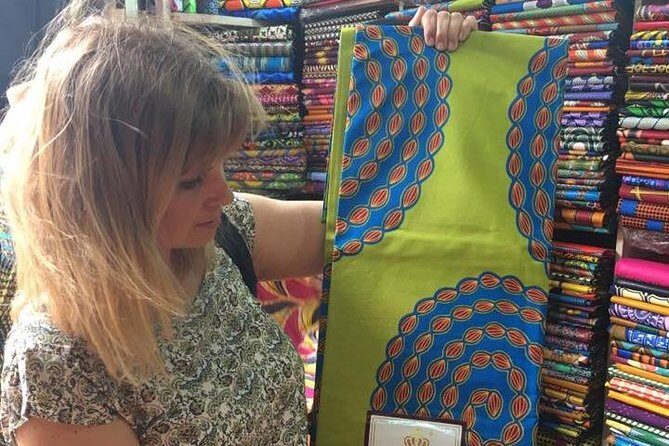
Here’s how to get the most out of this kind of market-and-tailor experience without turning it into a stressful shopping trip.
First, plan to move with the flow. Markets change by the minute, and you’ll be walking and comparing fabrics. If you try to stop everything for photos or constant second-guessing, you’ll lose the momentum.
Second, bring a clear direction for your custom outfit. You don’t need a perfect final design, but you should have a category in mind:
- dress vs. suit vs. something custom
- color goals (bright vs. subtle, bold print vs. balanced pattern)
- casual wear vs. something more formal
Third, expect help with local pricing. People specifically mention that the designers made it easier to navigate the downtown market chaos and find good fabric values. Take their lead. Ask questions. Point to what you like. If the fabric seems random, the designer can help translate it into something workable for your plan.
Fourth, do this when weather is good. The tour states it requires good weather. If conditions are poor, it can be canceled and you’ll be offered a different date or a full refund.
And finally, if you’re the one person in your group who wants the fabric and another person just wants photos, try to set that expectation upfront. It’s easier when everyone knows the tour is built around choosing cloth and sitting for design planning.
The Cause Behind the Shopping: Why This Feels More Meaningful
A big part of why this tour gets strong marks is purpose. The tour notes that 100% of profits go directly into training and empowering more youth.
That changes the feel of a shopping activity. You’re not just buying a souvenir. You’re supporting a system that helps young designers and tailors gain skills and do real work. It’s also why the designer element matters—you’re meeting the people connected to the clothing craft, not just handing cash over and leaving.
If you like experiences where your money has a clear impact and the art form isn’t treated like a staged performance, this is a solid match.
Who Should Book This Fabric Tour (and Who Might Skip It)
This works best for you if:
- you want to take home a real custom clothing plan, not just a few photos
- you like creative shopping with guidance (especially in a busy market setting)
- you want a hands-on way to understand Ugandan fashion and Kitenge fabric culture
- you care about supporting youth training
You might skip it if:
- you hate crowded, tight market spaces and want a quieter activity
- you’re looking for a hands-off experience where you don’t have to choose or decide anything
- you only want ready-made clothing you can pick up immediately (this is about fabric selection and design planning)
Should You Book the African Fabric Market Tour with Yimba Uganda?
If your goal is a short, meaningful Kampala experience that mixes market orientation, fabric selection, and a real design conversation, I’d say yes—book it. The $13 price hits a sweet spot, especially because bottled water and gratuities are included, and because you’re getting designer-tailor support while shopping.
To make sure it’s a good fit for you, go in ready to pick fabric and explain what kind of outfit you’re aiming for. Also, plan for the market’s energy. If you can handle that, you’ll likely leave with a stronger sense of Ugandan fashion—and fabric choices that actually match your plans.
If you want a safe, low-pressure cultural activity in a short time window, this is one of the more practical options.
FAQ
Where does the African Fabric Market Tour start?
The tour starts at Standard Supermarket (Mega Aponye Branch) on Burton St, Kampala, Uganda. It ends back at the same meeting point.
How long is the tour?
The tour runs about 1 to 2 hours.
How much does it cost?
It costs $13.00 per person.
What stops are included?
You’ll visit Kampala Old Taxi Park for about 10 minutes, then Owino Market/Kampala for about 40 minutes.
What is included in the price?
Bottled water and gratuities are included.
What is not included?
Private transportation is not included.
Is this tour private?
Yes. It’s a private tour/activity, and only your group will participate.
Is the ticket mobile?
Yes, it uses a mobile ticket.
When do I get confirmation after booking?
Confirmation is received at the time of booking, unless you book within 2 days of travel. In that case, confirmation is received within 48 hours, subject to availability.
What’s the cancellation policy?
You can cancel for free up to 24 hours before the experience’s start time for a full refund. If you cancel less than 24 hours before, the amount paid is not refunded.