REVIEW · KAMPALA
Kampala Heart of Walking Adventure
Book on Viator →Operated by TWIJA AFRICA SAFARIS · Bookable on Viator
Kampala rewards slow walking. This tour pairs major landmarks with lived-in streets: Gaddafi National Mosque for 360° views and Owino Market for the kind of shopping energy you can feel in your chest. You’ll also eat your way through Kampala at local food stops. The main catch is simple: it’s a walking experience with a strong fitness level recommended, plus a big climb for the mosque.
I like how the route strings together everyday places and serious history without turning the day into a checklist. You start at the Uganda National Mosque area, then roll through markets like Owino and Nakasero, plus craft shopping at Bagala Craft. One possible drawback to plan for is practical crowding: Owino Market is packed, and you’ll want to have cash and patience.
Here’s the good news: at $26 for about 3 to 5 hours, you get a guided route, bottled water and snacks included, and a real slice of Kampala life—religion, transport, food, crafts, and memorials all in one walk.
In This Review
- Key highlights worth knowing before you go
- Kampala by foot: what makes this walk different from the usual highlights
- Gaddafi National Mosque: the 272-step climb and 360° Kampala views
- Owino Market: crowds, bargaining, and street-level Kampala shopping
- Old Taxi Park: matatu life at Kampala’s oldest transport hub
- Baguma NP & Family Restaurant: trying local food without the tourist filter
- Bagala Craft and Nakasero Market: crafts you can take home, fruits you can try
- WWII Memorial and SSDM Shree Sanatan Dharma Mandal temple: religion and memory in the same day
- Independence Monument and Kampala’s post-1962 symbolism
- Kabaka’s Palace (Lubiri): royal grounds, gardens, and the dark history underneath
- Price and value: is $26 fair for this 3 to 5 hour walking day?
- Who this Kampala walk suits best (and who should reconsider)
- Practical tips to make the day easier
- Should you book Kampala Heart of Walking Adventure?
- FAQ
- How long is the Kampala Heart of Walking Adventure?
- What is the price per person?
- When should I book?
- Where do I meet, and where do we end?
- Is the ticket digital?
- What’s included in the price?
- Which entrances are not included?
- Do I get to taste local food or fruit?
- Is there free cancellation?
Key highlights worth knowing before you go
- Gaddafi National Mosque’s minaret climb: 272 steps up for panoramic 360° views
- Owino Market on a big scale: around 10 acres, about 50,000 vendors, and huge daily foot traffic
- Matatu culture at Old Taxi Park: Kampala’s oldest and largest park with over 1,000 vehicles
- Local food testing: a stop at Baguma NP & Family Restaurant, plus fruit tasting at Nakasero Market
- Shopping with local hands: Bagala Craft is known for items made by local artisans and makers
- History with real weight: WWII Memorial and the Kabaka’s Palace area, including a dark chapter beneath it
Kampala by foot: what makes this walk different from the usual highlights
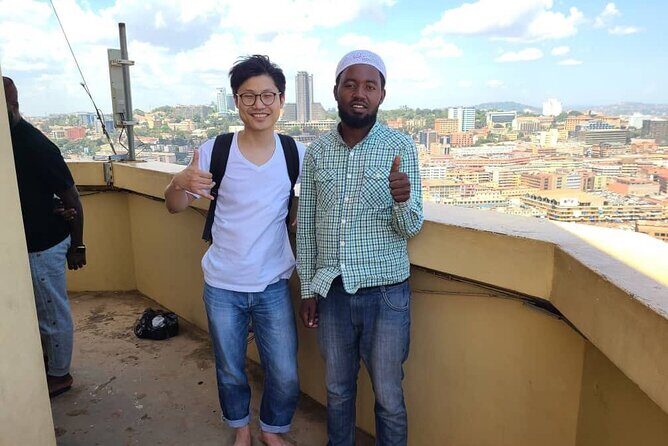
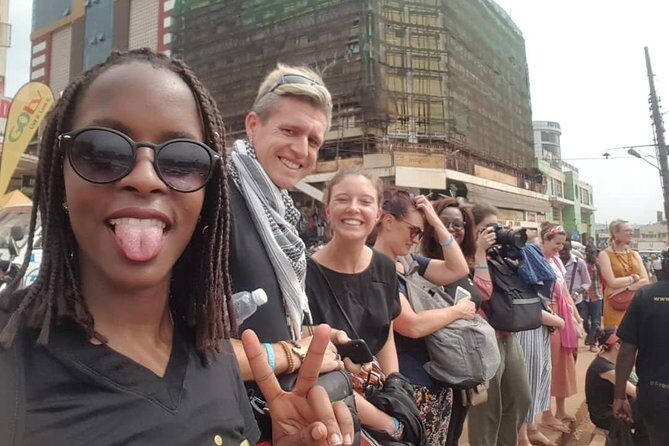
This is not a drive-past tour. It’s built around walking through Kampala’s public spaces—markets, places of worship, transport hubs, and monuments—so you see how people actually move through the city.
The pacing works best if you’re comfortable with short distances between stops and you’re ready for some busier parts of town. The tour runs about 3 to 5 hours, with a maximum group size of 100 travelers, which helps keep things organized even when you hit crowded areas. You’ll also use a mobile ticket, so you don’t need to hunt for paper tickets.
Because the tour is listed as being near public transportation, it’s also easier to connect your plans around it. If you’re the kind of traveler who likes context—how Kampala’s past shows up in daily life—this route delivers.
You can also read our reviews of more walking tours in Kampala

Gaddafi National Mosque: the 272-step climb and 360° Kampala views
The tour begins at the Uganda National Mosque, also known as the Gaddafi National Mosque. It’s a major structure in Kampala and is described as the largest mosque in East Africa and Central Africa, completed in 2006 and funded by Colonel Muammar Gaddafi.
What makes this stop special is the option to climb. The minaret has 272 steps and tops out at 72 meters. From there, you’re rewarded with 360° views of Kampala—on a clear day, you can see hills and the surrounding city spread out below.
A couple of practical notes to keep your expectations right:
- Mosque admission isn’t included for this stop, so plan for an extra payment if you want to go up.
- This climb is physical. If you’re already expecting stairs and you feel steady on your feet, you’ll enjoy this part more.
Also, the architecture is described as a blend of Arabic, African, and European styles, which means the mosque isn’t just a viewpoint. It’s a visual lesson in how ideas and influences traveled into Kampala.
Owino Market: crowds, bargaining, and street-level Kampala shopping
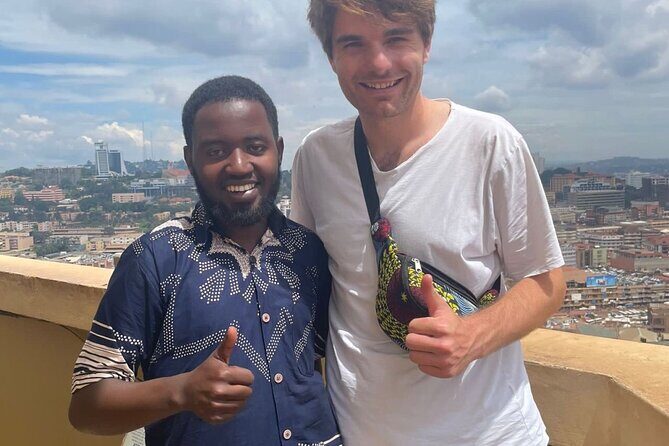
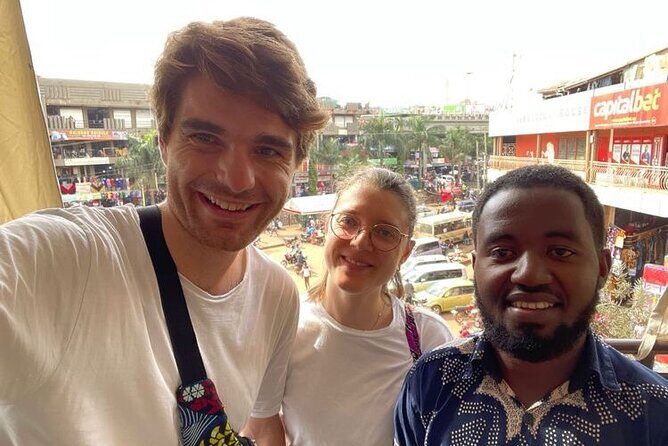
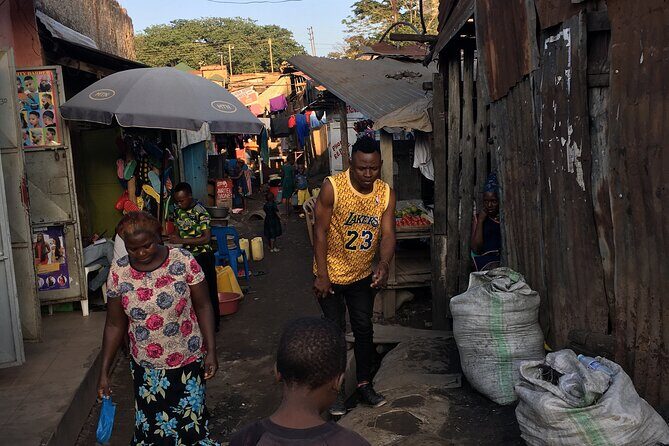
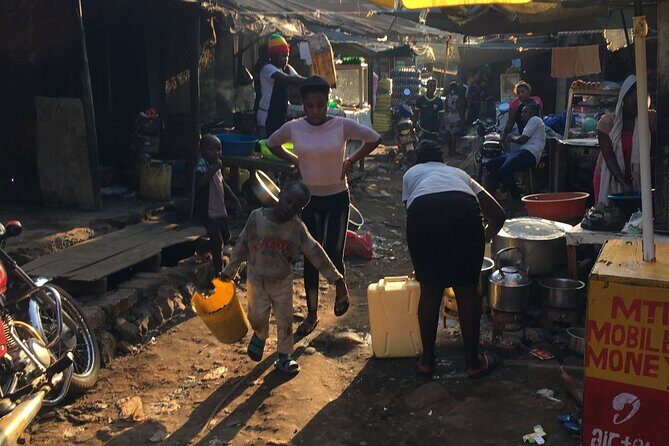
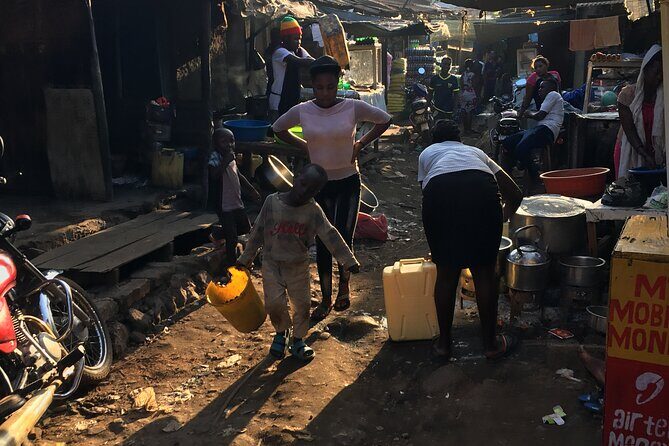
Next up is Owino Market, also known as St. Balikuddembe Market. This stop is where Kampala’s trade culture becomes real, fast. The market spans over 10 acres, with roughly 50,000 vendors, and it sees around 300,000 customers daily.
So yes, it’s chaotic. The tour gives you the right mindset for it:
- Bargaining is expected.
- Be ready for crowds and heavy foot traffic.
- Dress modestly and comfortably.
- Bring cash in UGX.
On top of the shopping, Owino is also where you get to connect food and daily needs in one place. The market is described as selling things like second-hand clothes, herbal medicine, local handicrafts, cooked and uncooked food, and fresh produce including fruits and vegetables.
Admission here is free, which matters. You can spend your energy on seeing how people trade, what’s in season, and how Kampala’s market economy feels at street level—without feeling like you’re paying again at every corner.
Old Taxi Park: matatu life at Kampala’s oldest transport hub
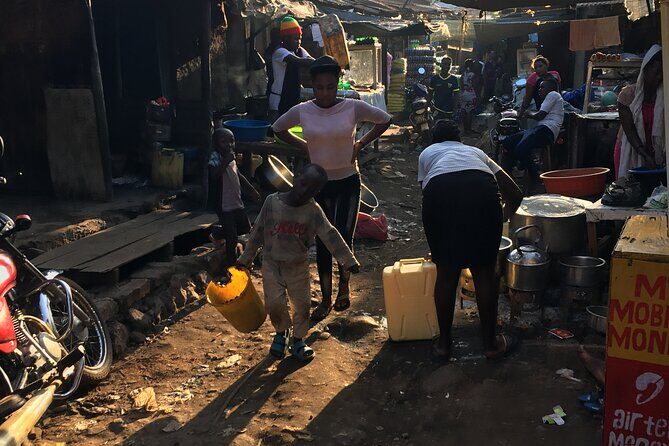
The tour then shifts from shopping intensity to transport energy with Old Taxi Park. It’s described as the oldest and largest park in Kampala, with over 1,000 matatu vehicles used as public transport that go to different places around the city.
Even if you don’t ride, this is a useful stop because it explains something you’d otherwise miss: movement is part of the city’s personality. You’ll get a sense of how quickly things flow, how people coordinate, and how public transport shapes what businesses survive nearby.
Admission is free, and the stop is short. That’s actually a good thing here. You’ll see enough to understand it without turning the day into sitting and waiting.
Baguma NP & Family Restaurant: trying local food without the tourist filter
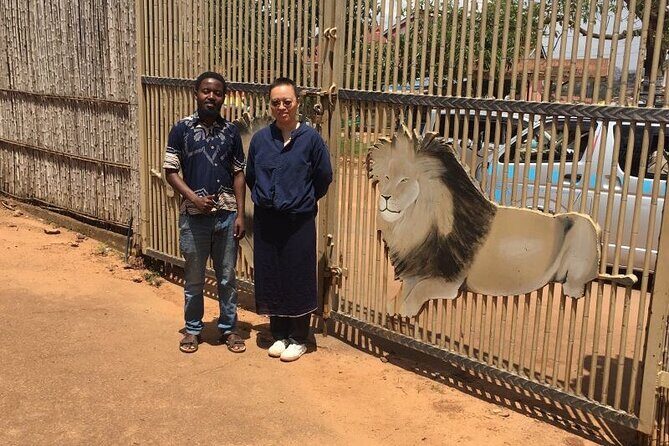
At Baguma NP & Family Restaurant, the tour focuses on eating. This is the stop where you test local food cooked on-site, and it’s exactly the kind of inclusion that makes a walking tour more than photos.
Since bottled water and snacks are included with the tour, you’ll have some support during the day. Still, this is a good moment to pace yourself—markets plus a mosque climb can build up hunger fast.
The big value here is that the meal isn’t presented as a show. It’s part of the city’s normal rhythm: people come, order, eat, talk, and get back to their day.
Bagala Craft and Nakasero Market: crafts you can take home, fruits you can try
After transport and food, you switch gears to hands-on culture and shopping at Bagala Craft. It’s described as the biggest market in Kampala for commodities made by local people across different cultures. You’ll find items like African wooden saddles, weaver baskets, and African clothes including ebiteeje.
This is a shopping stop, but it’s also a learning stop. You’ll be close to the work behind the goods, which helps when you’re comparing quality, materials, and price. If you want souvenirs that feel connected to Kampala rather than imported, this is where you’ll look.
Then the tour heads to Nakasero Market, noted as the oldest market in Kampala. It’s famous for fresh food—especially fruits and vegetables—and this stop gives you a chance to test local fruits.
That’s one of the best parts of market tours when done well: not just seeing produce, but tasting it. If you’re the type who likes to try flavors you can’t easily find at home, don’t rush this segment.
Both stops are listed with free admission, so you can spend time browsing and snacking (within reason) without worrying about another ticket cost.
WWII Memorial and SSDM Shree Sanatan Dharma Mandal temple: religion and memory in the same day
Kampala’s story includes colonial-era memory, and this tour marks that with a visit to the World War II Memorial. It’s described as the oldest monument in Kampala, built during the colonial period to remember the lives of Ugandans killed in World War II.
It’s short, but it matters. Even if you don’t know Uganda’s WWII details, standing at a memorial tied to the city gives you a way to understand how Kampala holds onto past events in public space.
Then you visit Temple SSDM Shree Sanatan Dharma Mandal in Nakasero. This Hindu temple is described as believed to be the first Hindu worshipping temple in the 1950s, and it now serves as headquarters for the Hindu worshipers today.
This is a good reminder that Kampala is religiously diverse, and you can see that diversity in architecture, community spaces, and the way people gather.
Both visits are free and short on the schedule, which keeps the walking day moving while still giving you variety.
Independence Monument and Kampala’s post-1962 symbolism
Next comes the Independence Monument, built after Uganda gained independence. The statue is described as including a woman calling a baby, representing a new Uganda emerging from colonial rule in 1962.
This stop is where the day turns more reflective. Markets teach you how daily life works. Monuments teach you why the city’s identity matters.
It’s also a natural transition point before the route heads toward the palace area. You’ll leave this segment with a clearer sense of what people mean when they talk about independence, nationhood, and changing power.
Admission is free here, so you can focus on the story and the symbolism without any extra cost.
Kabaka’s Palace (Lubiri): royal grounds, gardens, and the dark history underneath
The final major cultural and historical stop is Kabaka’s Palace (Lubiri) in Mengo, Kampala. It’s described as the official residence of the Kabaka (King) of Buganda, with traditional Baganda architecture and beautiful gardens.
But the tour also includes a difficult detail: Idi Amin’s torture chamber is located beneath the palace. That makes this stop heavier than it might sound from the word palace.
This is the kind of inclusion that turns a city tour into something worth remembering. You learn that beautiful architecture and formal tradition can exist alongside painful chapters of history, all layered in one place.
Admission is listed as included for Kabaka’s Palace, and the stop is one of the longer segments at about 45 minutes. If you’re emotionally sensitive, take it in slowly. If you’re curious about how history is physically built into Kampala, this is the part you’ll want to pay close attention to.
Price and value: is $26 fair for this 3 to 5 hour walking day?
For $26 per person, you get a lot of practical value packed into a short timeframe:
- A guided route through multiple high-impact places in Kampala
- Bottled water and snacks included
- Free admission for many stops
- Food and sampling opportunities, including cooked local food and fruit tasting
Two admissions matter for planning: Gaddafi National Mosque isn’t included, while Kabaka’s Palace admission is included. That means your final spend may depend on whether you plan to climb the mosque minaret.
Still, for the amount of walking, the number of distinct stops, and the mix of culture, food, and history, the price feels reasonable. This isn’t a one-note tour. It hits religion, markets, transport, crafts, memorials, and national symbolism in one day.
If you like city walks that feel local—hands-on and slightly unpredictable—you’ll likely feel you got your money’s worth.
Who this Kampala walk suits best (and who should reconsider)
This tour fits you best if:
- You enjoy markets and want to see how people shop, trade, and bargain
- You want a guided introduction to major Kampala landmarks and neighborhoods
- You’re okay with being in crowds for parts of the day
- You’re ready for physical movement, including a major climb at the mosque
You might reconsider if:
- You dislike stairs and long walking stretches
- You’re not comfortable with crowded market environments
- You prefer quieter sightseeing with fewer human-traffic moments
The tour provider lists a strong physical fitness level requirement, so take that seriously. The route is active, and the mosque climb makes that even more important.
Practical tips to make the day easier
These are the details that will help you enjoy it more:
- Bring cash in UGX for Owino Market, where bargaining is expected.
- Dress modestly and comfortably, especially for mosque and market areas.
- Plan for crowds at Owino Market. Go in with the mindset that it moves fast.
- If you’re planning the mosque climb, remember the 272 steps detail and take it at your pace.
- Use your phone for the mobile ticket and keep it accessible.
- With bottled water and snacks included, you’ll start the day supported—still, don’t wait until you feel wiped out before eating at the food stop.
Should you book Kampala Heart of Walking Adventure?
If you want a Kampala day that feels like real city life—markets, public transport culture, craft shopping, local food, and landmarks tied to national history—this is a strong choice. The route also earns top marks for combining history, art, and cuisine, and the mosque viewpoint is the kind of moment that makes the whole day click.
Book it if you’re okay with crowds and you’re up for a physically active walk. Skip it if you want a low-footprint, mostly calm sightseeing plan. For the right traveler, $26 buys a lot of street-level Kampala in just a few hours.
FAQ
How long is the Kampala Heart of Walking Adventure?
The tour lasts about 3 to 5 hours.
What is the price per person?
The price is $26.00 per person.
When should I book?
On average, this tour is booked about 14 days in advance.
Where do I meet, and where do we end?
You start at Uganda National Mosque on Old Kampala Rd, Kampala, Uganda, and the tour ends at Independence Monument on Speke Road.
Is the ticket digital?
Yes. You receive a mobile ticket.
What’s included in the price?
Bottled water and snacks are included.
Which entrances are not included?
Gaddafi National Mosque admission is not included. Kabaka’s Palace admission is included.
Do I get to taste local food or fruit?
Yes. You stop at Baguma NP & Family Restaurant to test local food cooked, and you also get a chance to test local fruits at Nakasero Market.
Is there free cancellation?
Yes. You can cancel for a full refund up to 24 hours before the experience starts.