REVIEW · KAMPALA
10 Days Uganda Gorilla, Chimpanzee & Wildlife Safari
Book on Viator →Operated by Prime Safaris and Tours Limited · Bookable on Viator
If you want Africa’s wild side without picking just one animal, this Uganda combo works. Gorilla trekking delivers the real centerpiece, with a ranger-led walk that can run 2 to 8 hours and then a full one hour face-to-face with mountain gorillas once you find them.
I also like how the chimpanzee day is built around a proper forest briefing at Kanyanchu, then a long trek through Kibale’s primate-rich habitat. One possible drawback: expect a lot of driving between regions, plus early mornings, so you’ll want a calm attitude about long road days.
In This Review
- What I like most (and what to watch)
- Key things to know before you go
- Where this safari gives you value: primates plus wildlife, not just one highlight
- Day 1 to Day 2: Arriving near Kampala, then Ziwa’s white rhinos
- Murchison Falls Days: game drive plus a boat cruise to the base
- Kibale: chimpanzee trekking at Kanyanchu, then Bigodi wetlands for community birding
- Queen Elizabeth and Mweya jetty: Kasenyi tracks game drives plus boat time
- Ishasha tree-climbing lions: the ride toward Bwindi turns into a hunt for fig-branch cats
- Bwindi gorilla trek day: the 2–8 hour quest and the one-hour meeting
- Lake Bunyonyi and the Mburo switch: scenery plus a wildlife style that isn’t all treks
- Guides and planning support: what good service feels like on a trek-heavy route
- Price and logistics: is $5,055.60 per person fair?
- Should you book this 10-day Uganda gorilla, chimp, and wildlife safari?
- FAQ
- How long is this safari?
- Where does the tour start?
- What are the main wildlife and primate activities included?
- Do you also do rhino tracking?
- Are there boat cruises?
- Is the tour private?
- What about fitness level?
- How long is the gorilla time once you find them?
- Are park admissions included?
- What happens if I cancel or change my booking?
- Who operates this safari?
What I like most (and what to watch)
You’re getting two of Uganda’s top primate experiences on the same itinerary, then you stack wildlife viewing and water scenery right behind them. The trade-off is schedule intensity: you’ll be moving from park to park across western and southern Uganda, and trekking days ask for moderate physical fitness.
Key things to know before you go
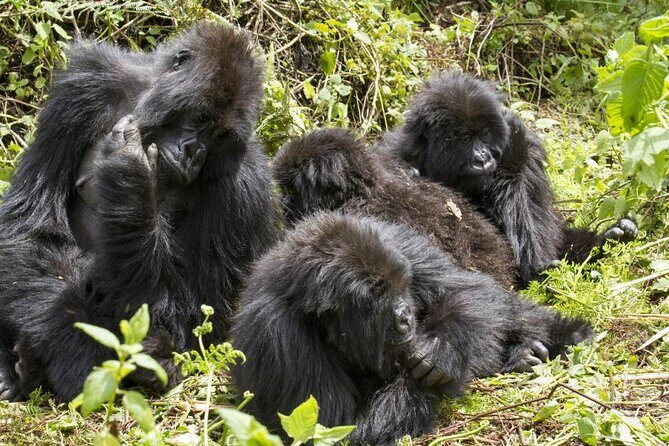
- One-hour gorilla encounter after a 2–8 hour trek in Bwindi’s forest.
- Chimps at Kibale with a ranger briefing at Kanyanchu before you head into the trees.
- Murchison Falls by game drive and boat, including an afternoon cruise to the base of the falls.
- Queen Elizabeth and Mweya jetty cruises, paired with Kasenyi track game viewing.
- Ishasha tree-climbing lions in the Bwindi transfer stretch.
- Uganda community tourism in Bigodi with a guided wetland walk and bird life.
A few more Kampala tours and experiences worth a look

Where this safari gives you value: primates plus wildlife, not just one highlight
This itinerary is for people who want Uganda’s big wildlife moments to feel connected, not scattered. You start in the Entebbe/Kampala area, then work your way into the northwest (for rhinos and Murchison Falls), down through the chimp zone (Kibale), onward to Queen Elizabeth and Ishasha, then to Bwindi for the gorillas, and finally to lakes Mburo and Bunyonyi-style scenery before returning to Entebbe.
That structure matters because Uganda’s best experiences are often tied to geography. By bundling the primates with the major safari parks in the same circuit, you spend your time doing things that match the region’s strengths instead of cramming everything randomly.
You’ll also notice the tour is designed for groups. It’s listed as private for your group (not mixed with strangers), and the price includes notes like pickup offered and group discounts. In the feedback I reviewed, people repeatedly praised the coordination—especially office support and guides like Cate (office communications) plus on-the-ground guiding from Jerome, Emma, Denis, Charles, and Anania/Ananias. That kind of continuity is the difference between a smooth trek day and a day that feels stressful.
Day 1 to Day 2: Arriving near Kampala, then Ziwa’s white rhinos
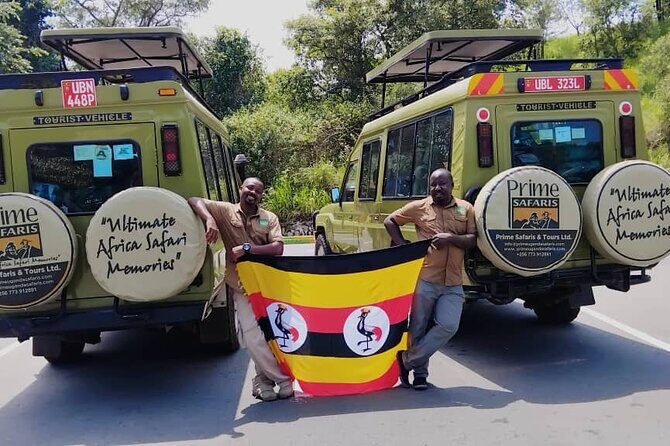
Your tour begins with arrival at Entebbe International Airport, then you’re met and transferred to a hotel for relaxation. The next day you head toward Murchison Falls National Park. This is a big jump in geography, but it’s also a clean way to start: you get moving early so the real safari days land while energy is still high.
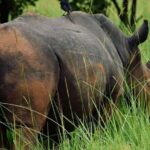
On Day 2, the highlight before Murchison is Rhino Fund Uganda and the Ziwa Sanctuary rhino tracking. The drive time is described as about 5 hours from Kampala (excluding stops), and the transfer includes a branch off toward a specific area where white rhinos are tracked. Admission is listed as included for this day segment.
Why this works: Uganda’s rhino opportunity can feel limited depending on where you go. Ziwa is presented as the place those white rhinos are found within Uganda for this experience, which makes it a focused start rather than a vague “maybe we’ll see something” day.
A practical consideration: rhino tracking still takes time, and you’re doing it while moving toward Murchison Falls. Build in patience for the transition day. If you’re someone who hates travel days, this itinerary will still feel like travel days exist—you just get wildlife value attached to them.
Murchison Falls Days: game drive plus a boat cruise to the base
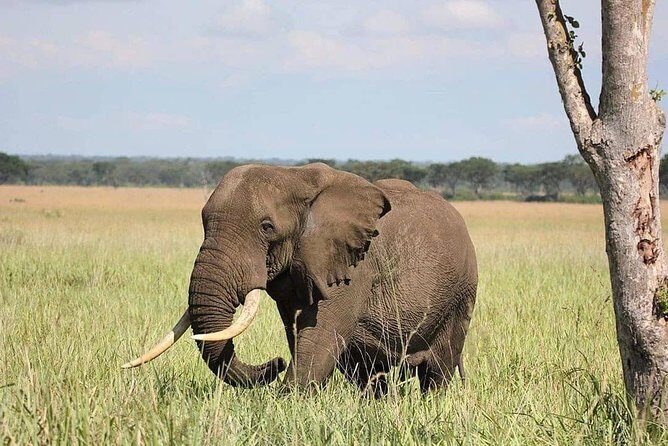
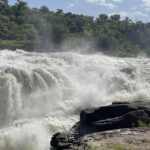
Day 3 is Murchison Falls National Park in two modes: morning game drive and an afternoon boat cruise from Paraa jetty to the bottom of the falls.
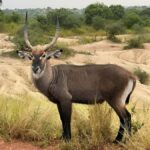
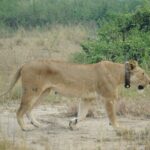
The game drive is described as a morning session covering park tracks such as Buligi, Queen, Albert, and the delta area. The sight list includes big hitters like lions and elephants, plus Rothschild giraffes and leopards. You also get species details like Jackson’s hartebeest, waterbucks, oribis, and kobs, and the description even calls out the open savannah mix with scattered Borassus palms. Even if you’re not chasing every species on a checklist, that kind of terrain variety helps you keep seeing different animal behavior patterns.
Then comes the boat cruise, described as about 3 hours, giving you a different view of the same ecosystem. Seeing animals from water is one of those “Uganda is different” moments because it changes how sound travels and where animals appear.
One note: the itinerary marks the park activity admission ticket as free for parts of Day 3, but it’s not spelled out the way a modern line-item ticket breakdown would be. Still, it’s clear the day is designed so you’re not stuck budgeting your way through multiple separate entry points mid-trip.
Kibale: chimpanzee trekking at Kanyanchu, then Bigodi wetlands for community birding
Day 4 transfers you from Murchison toward Kibale National Park via Hoima and Kagadi, arriving in Fort Portal in the evening. You get views along the way and a lunch stop option in Hoima. This is a classic “reset your body, then do the trek tomorrow” layout.
Day 5 is the Kibale pivot: gathering at Kanyanchu Tourism Center for chimp trekking that begins at 8:00am. You get briefing from park rangers on how to behave during the trek. Then you head into the dense forest to search for chimpanzees. The description calls out forest features like buttress trees and climbers, plus a strong bird scene.
This is where the value of the schedule shows. Chimp trekking is not short, and the time you get in the forest often feels like it can’t be rushed. The fact that the plan explicitly includes a ranger briefing means you’re more likely to understand what matters—distance, noise, and how to treat animals as animals, not as props.
After the chimp experience, you go to Bigodi Wetland Sanctuary for a community-controlled walk. Bigodi is described as successful community tourism, with bird sightings listed at up to 138 species including great blue turaco and papyrus gonoleks. The description also mentions sitatunga antelope and a chance to connect with local life like a traditional healer’s home and possible school extension arrangements. Admission for this portion is marked included.
If you care about Uganda beyond wildlife photography, Bigodi is one of the best “people + nature” add-ons on the entire route. It’s also a nice counterweight after long treks, because the pace is more walk-based and the rewards are visual rather than purely about spotting a specific animal.
A few more Kampala tours and experiences worth a look
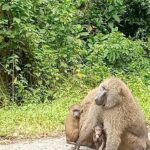
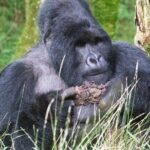
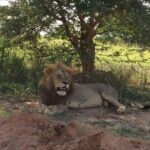
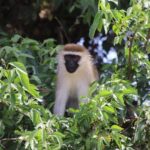
Queen Elizabeth and Mweya jetty: Kasenyi tracks game drives plus boat time
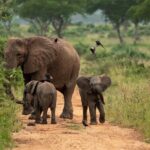
Day 6 moves into Queen Elizabeth National Park, starting with a game drive across rolling savannah grassland using Kasenyi tracks. The itinerary calls out elephants, lions, buffaloes, leopards, and waterbucks, plus jackals. This part lasts about 3 hours, then you return to the lodge for relaxation and lunch.
In the afternoon, you shift to Mweya jetty for a boat cruise. The schedule mentions different departure times for different groups (one at 2pm, another at 3pm), with a 2-hour interval for a round trip. Even without obsessing over the exact clock, what matters is you get water-based viewing in Queen Elizabeth too.
Why I think this is a smart pairing: Murchison gives you one iconic falls-and-river perspective, while Queen Elizabeth gives you a broader lake/river wildlife rhythm with different species behavior. If you’re comparing the two, the experience won’t feel repetitive.
Ishasha tree-climbing lions: the ride toward Bwindi turns into a hunt for fig-branch cats
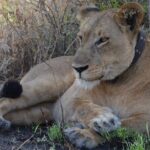
Day 7 is a transfer day that still includes a real game drive in the Ishasha sector, searching for the famous tree-climbing lions that often rest on fig tree branches. The itinerary describes this behavior clearly—lions on fig branches overlooking prey in the plains—which is exactly the kind of detail you want when you’re planning a safari that includes more than one park.
Then it continues on to Bwindi Impenetrable National Park for dinner and overnight.
The main drawback here is that Ishasha lions are not guaranteed. This itinerary sets you up with dedicated search time, which is good, but you’re still doing wildlife viewing that depends on animal movement patterns.
Bwindi gorilla trek day: the 2–8 hour quest and the one-hour meeting
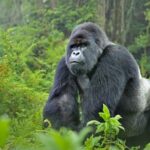
Day 8 is the day you’ve been working toward: Uganda gorilla trekking in Bwindi. You go to the park offices for briefing, then the trek starts at 8:00am.
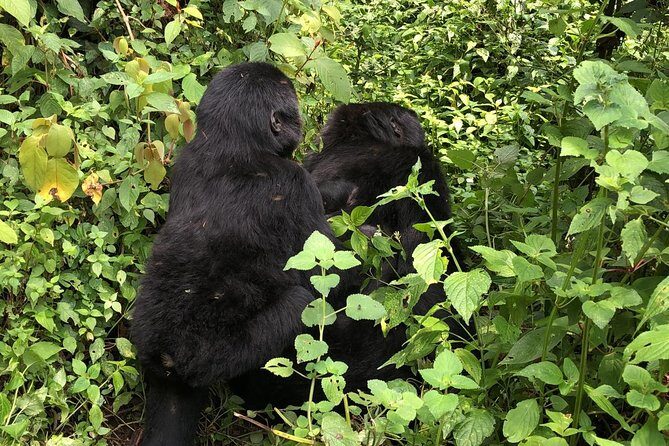
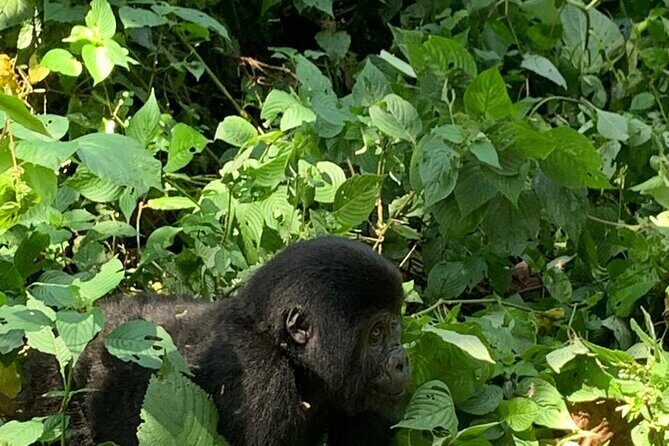
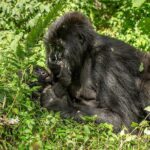
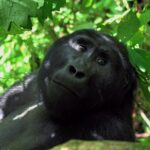
The trek time is described as 2–8 hours, depending on where the gorillas move. Once you find them, you get about one hour with the gorillas and time to photograph and simply watch them up close. After that hour, you return to the starting point.
This is Uganda’s signature wildlife moment, and the schedule reflects that reality. There’s no fake padding—just a full morning of real effort and then a concentrated payoff.
A practical consideration: gorilla trekking is physically demanding even when you’re prepared. The tour explicitly requests a moderate fitness level, and the wide trek-time range is your clue why. If you want to take on the day with confidence, plan your energy for it, and don’t treat gorilla time like a quick photo stop.
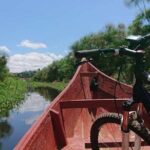
That evening, you transfer to Lake Bunyonyi for scenery and downtime. The description frames it as Kigezi Highlands terracing country before arriving for relaxation, dinner, and overnight.
Lake Bunyonyi and the Mburo switch: scenery plus a wildlife style that isn’t all treks
Day 9 transfers you to Lake Mburo National Park about 199 km, roughly 4 hours. There’s an optional lunch stop at Igongo Cultural Centre, then you enter through Sanga Gate. The day includes an evening game drive and overnight at your lodge.
This is a smart shift after Bwindi. Instead of more forest time, Mburo gives you more open-view wildlife chances and a different kind of animal spotting—water-adjacent and savannah-linked. The itinerary is marked as admission ticket free for this portion, but again, what matters is the overall flow: you land, you go out at the right time of day, and you don’t waste the evening.
Day 10 is Mburo with a nature walk, described as one of the more interesting game walks in the country. You’ll see primates, birds, antelopes like elands and waterbucks, plus Impala, topis, bushbuck, and klipspringer. The plan also lists buffaloes, Rothschild giraffe, Burchell’s zebra, and warthogs, with acacia-dotted savannah scenery.
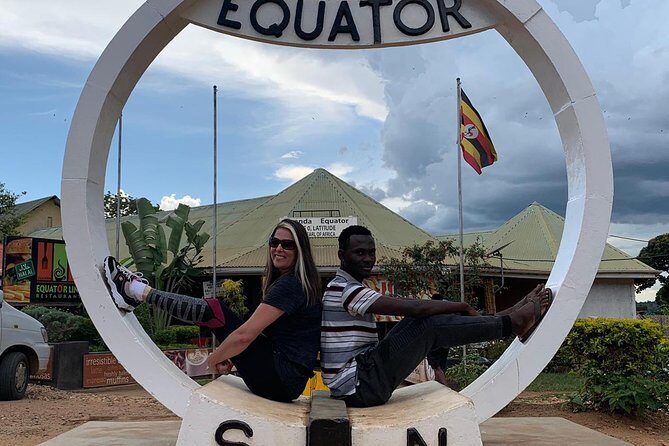
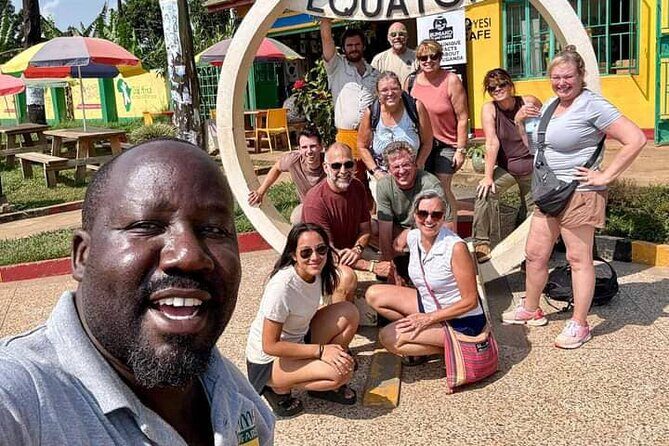
Then you head back toward Entebbe on the way to your departure, stopping at the Uganda Equator crossing Kayabwe for photo opportunities (the itinerary calls it magical for pictures where you put one leg in the northern hemisphere and the other in the southern hemisphere). Admission for this stop is marked included.
This final stretch is a good “landing gear” day. You get one last short wildlife-style activity before the long return drive.
Guides and planning support: what good service feels like on a trek-heavy route
On trek-heavy itineraries, the difference between a good trip and a great one is how well the operation handles stress. The feedback I saw points strongly to careful coordination and warm, competent guiding.
People credited Cate for quick, thoughtful office responses during planning, and they also mentioned on-the-ground guides such as Jerome (communicative and welcoming, safe driving, and informative style), Emma (helpful and delivering a lot of value during gorilla/chimp days), Denis (strong service and day-of experience), plus drivers/guides like Charles and Anania/Ananias on larger groups.
Even if you never meet the same guide twice in your life, that pattern matters: it suggests the company is serious about match-making the operation to the itinerary. When you’re doing gorilla trekking and chimp trekking, you want someone who helps you follow rules without making it feel rigid.
Also, your trip format is private for your group, which can reduce the feeling of time pressure you sometimes get when schedules depend on strangers.
Price and logistics: is $5,055.60 per person fair?
At $5,055.60 per person for about 10 days, this isn’t a budget safari. But it also isn’t paying like you’re on a cruise ship. You’re paying for three costly ingredients:
- Gorilla trekking in Bwindi (time, staffing, and park management).
- Chimpanzee trekking in Kibale (ranger-guided forest time and permits tied to the experience).
- Park-to-park movement across multiple regions (transport plus multiple wildlife environments).
The itinerary also flags some admissions as included (like Rhino Fund Uganda and Bigodi Wetlands Sanctuary) while other park activities are shown as free within the day descriptions. That structure often means you’re not constantly hit with new line-item fees as you go.
On top of that, pickup is offered and the tour is private for your group. That combination can improve value because you’re not sharing your schedule with unknown travelers, and it’s easier to keep the day on track.
My “value check” advice: confirm exactly what is included on the nights and meals in your exact booking, because this summary doesn’t list lodge levels or meal inclusions line-by-line. The big picture looks strong, but don’t leave yourself guessing if you’re trying to compare prices with other Uganda operators.
Should you book this 10-day Uganda gorilla, chimp, and wildlife safari?
I’d say book it if you fit this profile: you want both primate treks in one trip, you care about seeing wildlife beyond primates, and you’re okay with a plan that involves significant driving between parks. The itinerary also makes sense if you like variety—falls, lakes, savannah tracks, community tourism in Bigodi, and the unique Ishasha lion behavior.
Don’t book it if you’re hoping for a slow, minimal-transfer vacation. This is a 10-day program built to hit multiple regions, and trekking days take real effort. Treat it as an adventure with structure, not a casual sightseeing stroll.
If you do book, I’d focus your preparation on one thing: show up with a realistic attitude toward trek time ranges (2–8 hours for chimps and gorillas, depending on animal movement). That mental readiness is what turns a long day into a story you keep telling.
FAQ
How long is this safari?
It’s listed as 10 days (approx.).
Where does the tour start?
The tour uses Kampala, Uganda as the ticket redemption point, with a listed start time of 6:30 am.
What are the main wildlife and primate activities included?
The tour includes gorilla trekking in Bwindi and chimpanzee trekking in Kibale, plus game drives in national parks and other nature experiences like boat cruises and a Mburo nature walk.
Do you also do rhino tracking?
Yes. Day 2 includes Rhino Fund Uganda and tracking white rhinos at Ziwa Sanctuary, with admission marked included.
Are there boat cruises?
Yes. There’s a boat cruise to the base of Murchison Falls (Para jetty area) and also boat cruising from Mweya jetty in Queen Elizabeth.
Is the tour private?
It’s described as a private tour/activity, meaning only your group participates.
What about fitness level?
The experience notes a moderate physical fitness level is required, and gorilla trekking is described as taking 2–8 hours to find the gorillas.
How long is the gorilla time once you find them?
After the trek, you spend about one hour with the gorillas.
Are park admissions included?
In the day breakdown, some admissions are marked Included (like Rhino Fund Uganda and Bigodi Wetlands Sanctuary) while others are marked Free in the provided descriptions. Inclusions vary by day/segment.
What happens if I cancel or change my booking?
The experience is non-refundable and cannot be changed for any reason. It also notes a minimum number of travelers requirement for the trip to run.
Who operates this safari?
The provider listed is Prime Safaris and Tours Limited.