REVIEW · KAMPALA
Kampala: Private Guided City Tour with vehicle Transfers
Book on GetYourGuide →Operated by Kitenji Uganda Safaris and Tours · Bookable on GetYourGuide
Kampala history fits in one car ride. This private tour puts you face-to-face with key landmarks like Kabaka’s Palace, UNESCO Kasubi Tombs, and the Gaddafi Mosque, with a guide such as Pius or Sharif helping you connect the dots. I also like the private, air-conditioned transfers that keep things comfortable while you move between stops. One possible drawback: at $170 per person, it’s a better buy if you’ll use the full-day value of the vehicle time and included lunch rather than treating it as a quick sightseeing pass.
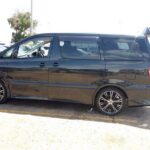
What makes this work on the ground is the pace and how it’s handled. In guides’ experience reports, the car is described as clean and comfortable, and the drive style is safety-first, including a calm, no-rush feel for couples. The route also gives you room to ask questions and adjust timing, since the experience is fully customizable to your interests and pace.
You’ll be balancing cultural, historical, and religious sites in one day, from a craft market to royal architecture to major pilgrimage locations. The good part is the variety: you’re not just looking at monuments; you’re learning why they matter, from Buganda Kingdom traditions to the story of the Uganda martyrs at Namugongo.
In This Review
- Key things to know before you go
- Getting Oriented: Private Transfers and a Guide You Can Ask Questions To
- Bagala Craft Market: Buying Souvenirs With Context
- Independence Monument, World War Memorial, and Constitutional Square
- Gaddafi Mosque on Old Kampala Hill: Architecture and City Views
- Kabaka’s Palace: Buganda Kingdom Traditions and the Harder Side of Political History
- Kasubi Tombs UNESCO: Why Muzibu Azaala Mpanga Matters
- The Bahá’í Temple on Kikaaya Hill: Gardens, Unity, and Quiet Reflection
- Namugongo Martyrs Shrines: Catholic and Anglican History in One Place
- The Catholic Shrine
- The Anglican Shrine
- Lunch and Comfort: The Included Meal Makes the Whole Day Easier
- Optional Downtown Kampala: When One More Stop Makes Sense
- Price and Logistics: Is $170 per Person Fair Value?
- Who This Tour Fits Best
- Should You Book This Kampala Private Guided Tour?
- FAQ
- Is this tour private?
- What transfers are included?
- Is lunch included?
- Which main sights are included?
- Can I customize the itinerary?
- Is an optional downtown Kampala visit available?
- What is not included in the price?
- Can I pay later and cancel for a refund?
- What language are the tours offered in?
Key things to know before you go
- Bagala Craft Market for locally made crafts, jewelry, textiles, and souvenir shopping with artist-level context
- Kasubi Tombs UNESCO with the main structure, Muzibu Azaala Mpanga, built using organic materials
- Gaddafi Mosque views from Old Kampala Hill, plus the architecture mix (Arab, African, European styles)
- Kabaka’s Palace to understand both royal legacy and the serious political shadows from Idi Amin’s era
- Namugongo Martyrs Shrines with the Catholic and Anglican sites side by side, including hut-shaped basilica details and a modern amphitheatre and museum
- Guide-led comfort using private transfers and bottled water, with guides reported to be friendly, knowledgeable, and careful drivers
Getting Oriented: Private Transfers and a Guide You Can Ask Questions To
This is a true private city tour, so you’re not squeezed into a group schedule. That matters in Kampala, where moving between major sights can take more time than a map suggests. You get an air-conditioned vehicle for transfers, plus bottled water, so you’re not constantly managing logistics while you’re trying to learn.
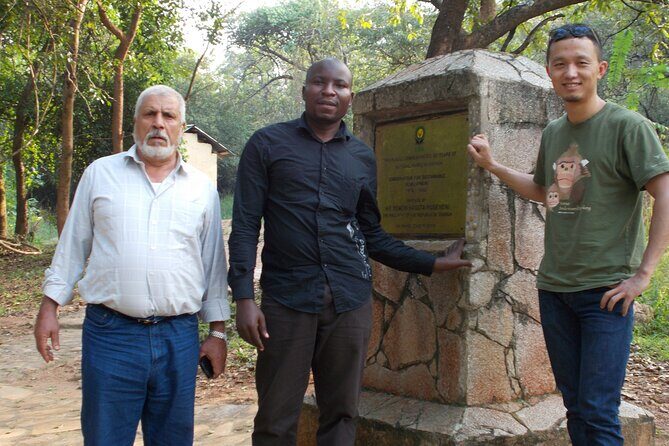
I like the way guides are described in the experience: Pius and Sharif are both called out for being helpful, friendly, and good at explaining what you’re seeing. And the drive element isn’t treated like an afterthought. One account specifically notes a safe driver and a clean, comfortable car, and another emphasizes that there was no rush, even for a couple traveling together. That combination makes it easier for you to ask follow-up questions and actually take your time at each stop.
If you’re traveling with a partner or you just don’t want a day run by a loud group clock, this format makes sense. You also have the option to add an extra look at downtown Kampala, depending on your interests.
You can also read our reviews of more guided tours in Kampala
Bagala Craft Market: Buying Souvenirs With Context
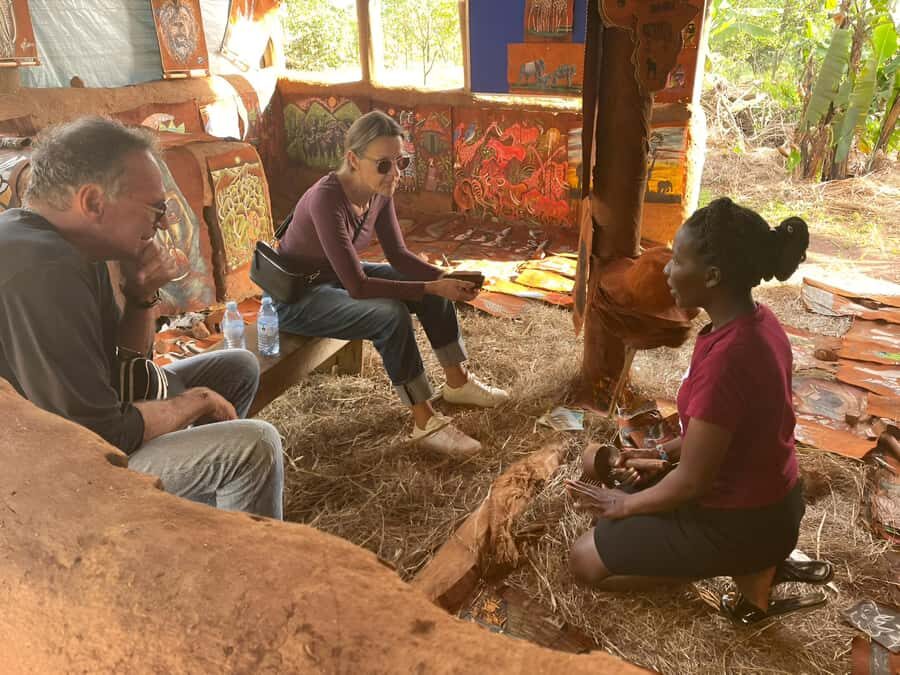
Bagala Craft Market is the kind of stop that turns a city tour into more of a people-and-craft day. You’ll find colorful artisan goods—crafts, jewelry, textiles, and souvenirs—sold by local artists and makers. It’s not presented as a mass-market shopping stop; it’s more like a hub where you can meet the people behind what you’re buying.
Why I think this is worth including: market stops usually do two jobs at once. First, they give you a quick feel for everyday creative life. Second, they help you shop with better taste, because a good guide can point you toward what’s locally made and what tends to reflect real craftsmanship.
The practical upside is that you’re not burning time later trying to find gifts. If you care about bringing home something with a story, this is an efficient way to do it.
Independence Monument, World War Memorial, and Constitutional Square
After the market energy, the tour shifts into a more reflective zone around the Independence and World War memorial monuments and the constitutional square. The setting is described as garden-like and serene, which helps you slow down after a shopping-style start.
Here’s what the guide helps you connect:
- The Independence Monument marks Uganda’s liberation in 1962 from British rule.
- The World War Memorial, built in 1945, honors Ugandans who served in the World Wars.
This stop works well if you want your Kampala sightseeing to include more than just present-day scenes. You get context for how the country frames its modern identity, and why certain public spaces hold memory for generations.
One consideration: memorials and squares can take time if you pause to read and ask questions. Since this is private and customizable, you can spend more time here if that’s your style, or you can keep it shorter and move on.
Gaddafi Mosque on Old Kampala Hill: Architecture and City Views
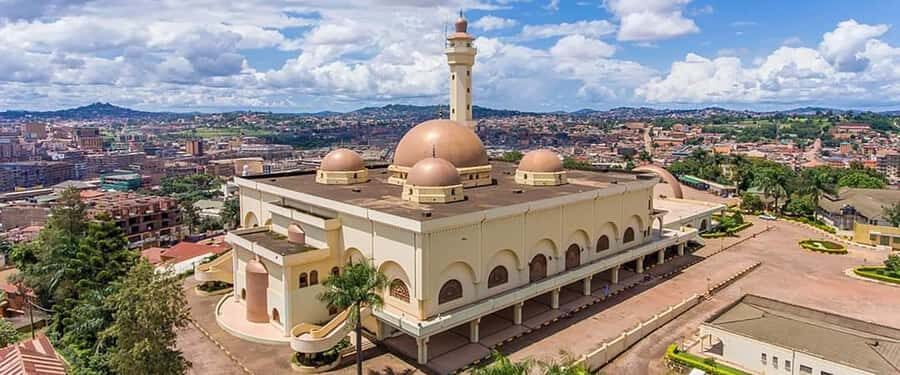
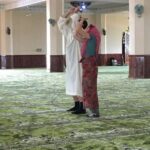
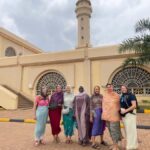
Gaddafi Mosque is one of those landmarks you feel in your bones before you even reach the top. It’s located on Old Kampala Hill, and it’s described as the largest mosque in East Africa. The building itself is a show—its architecture blends Arab, African, and European styles.
What I like is that the stop has both beauty and function:
- You can admire intricate Islamic artistry.
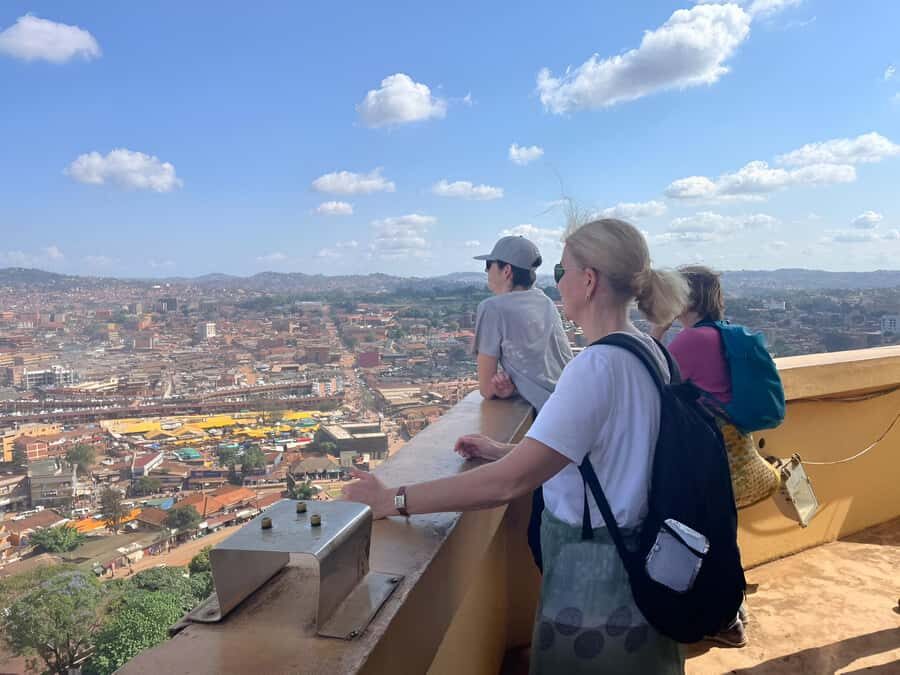
- You can ascend the towering minaret for panoramic views of the city, which becomes a natural photo-and-orientation moment.
If you’re a first-time visitor, this is a helpful place to get bearings. From up high, the city feels more navigable, and the rest of your day makes more sense geographically. If you already know Kampala well, you might still appreciate the architecture and the skyline perspective.
Because it’s a working religious site, you’ll want to treat it as sacred space, not a theme park. The tour format helps here since your guide can set the tone and keep you respectful while you take in the details.
Kabaka’s Palace: Buganda Kingdom Traditions and the Harder Side of Political History
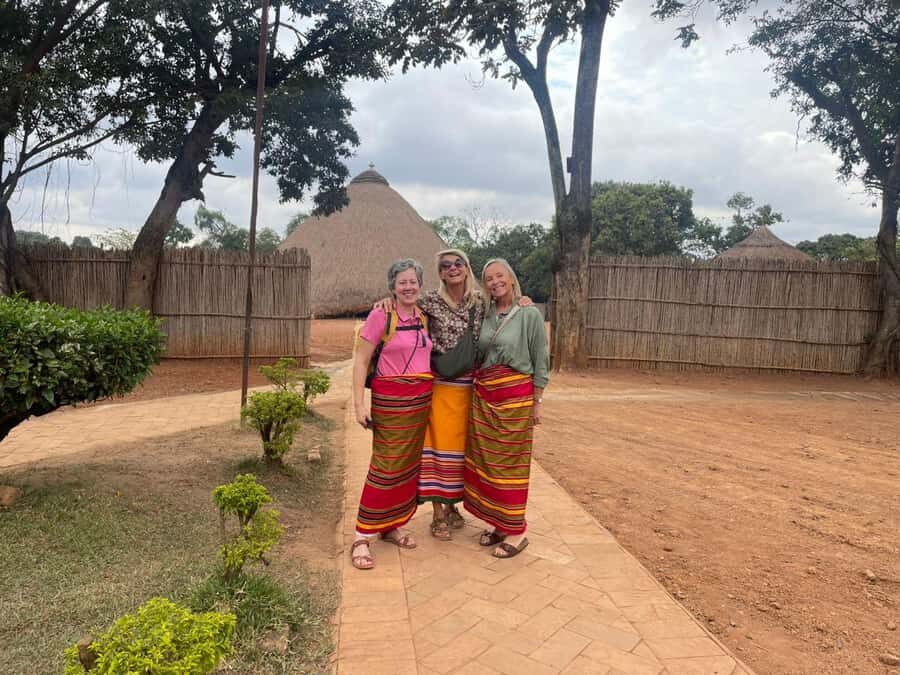
Kabaka’s Palace is the official residence of the King of Buganda, and it’s tied to the largest traditional kingdom in Uganda. This is a powerful stop because it mixes cultural pride with political reality.
You’re set up to learn:
- the storied past of the Buganda Kingdom
- cultural traditions connected to the palace
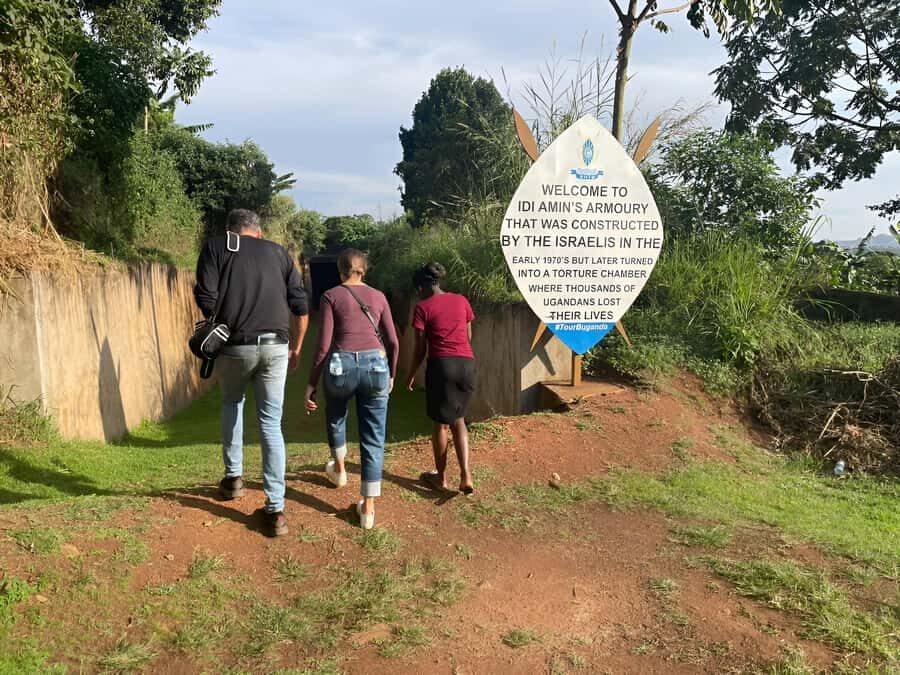
- and the darker role the palace played during Idi Amin’s regime
That last piece is important. A good guide won’t treat the palace as only a pretty royal backdrop. Instead, it’s explained in a way that shows how heritage and power can collide during moments of national crisis.
Practical note: palace-type sites can involve movement between areas and time for explanation. Since this tour is private and your pace is adjustable, you can spend longer here if you want deeper context, or keep it lighter if you’ve had enough palace after palace.
You can also read our reviews of more city tours in Kampala
Kasubi Tombs UNESCO: Why Muzibu Azaala Mpanga Matters
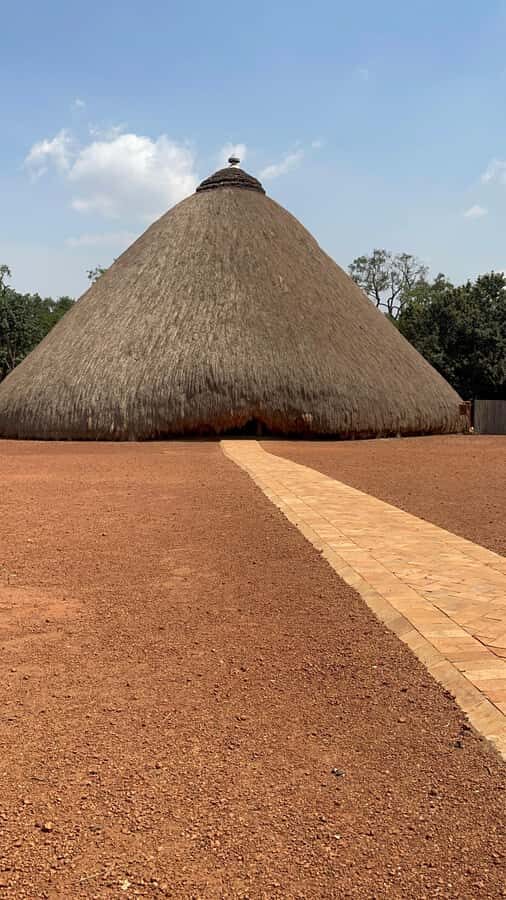
The Kasubi Tombs are a UNESCO World Heritage Site, and they’re the kind of place where the meaning is as important as the structures. This is where the Buganda kings are buried, and the site remains symbolically important for the kingdom’s heritage.
The main structure is Muzibu Azaala Mpanga. What’s especially notable is how it’s described: it’s built entirely with organic materials. That detail helps you understand that this isn’t just a historical monument behind glass. It’s a living cultural object in the way it’s built and how it’s meant to endure.
Why this UNESCO stop is a highlight on a one-day route:
- UNESCO sites can sometimes feel like formal checkboxes.
- Kasubi Tombs feel different because the explanation ties architecture to sacred purpose.
If you like cultural sites with clear spiritual weight, this is the stop where your day likely turns from sightseeing into understanding.
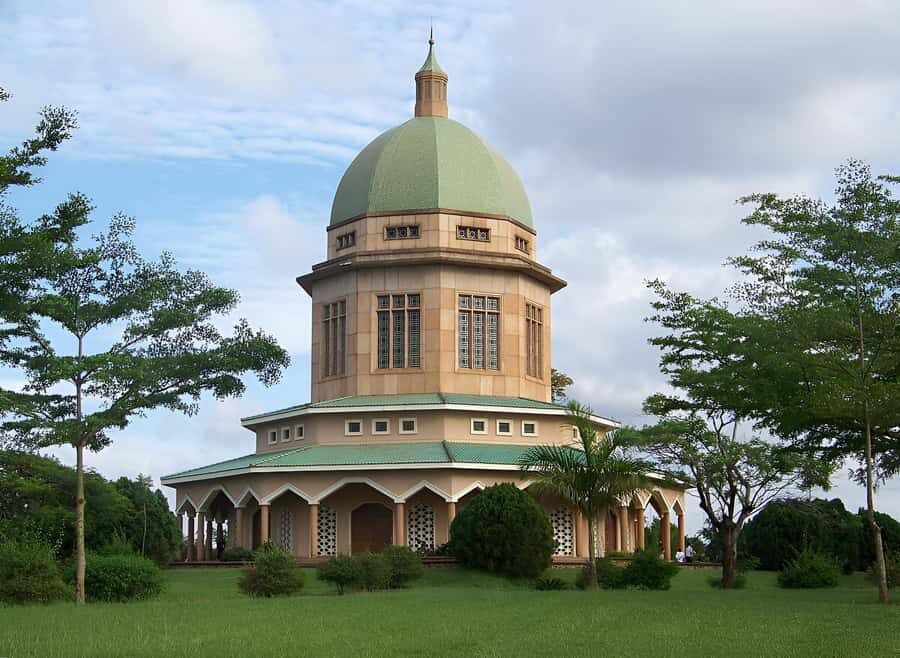
The Bahá’í Temple on Kikaaya Hill: Gardens, Unity, and Quiet Reflection
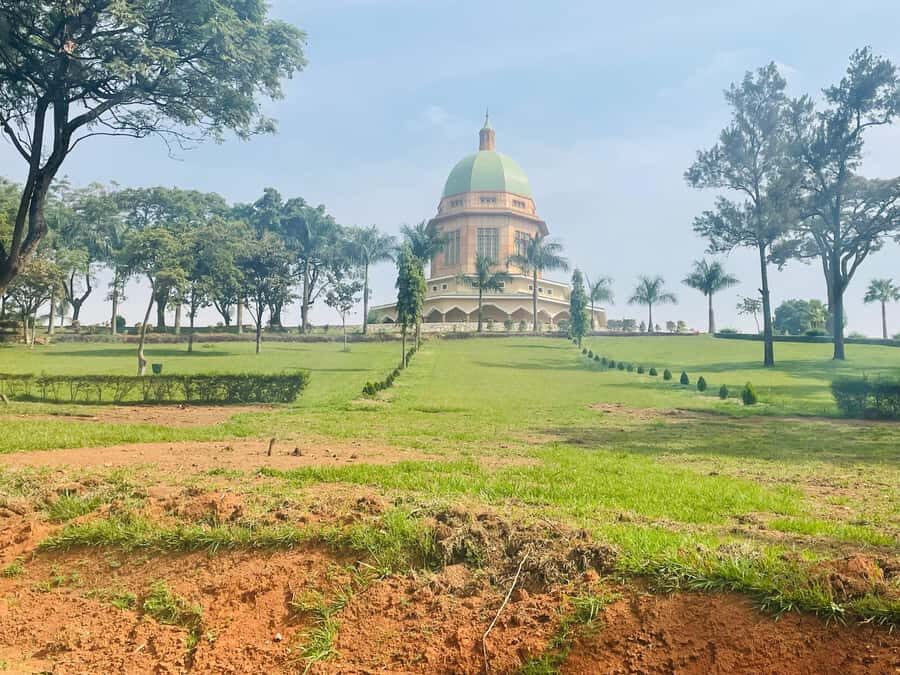
Next comes a change in religious landscape: the Bahá’í Temple. It sits on the slopes of Kikaaya Hill, and it’s described as the only Bahá’í temple on the African continent.
This stop is framed as peaceful and reflective. The gardens around it set a calmer tone, and the temple itself has a distinctive dome. You’re visiting it to reflect on the Bahá’í ideals of unity and peace, and the tour context makes it clear you’re not just touring architecture—you’re visiting a space meant for reflection and meditation.
If you want balance in your day, this is that balance. After palace and UNESCO gravitas, the Bahá’í Temple gives you a lighter mental moment without losing meaning.
Namugongo Martyrs Shrines: Catholic and Anglican History in One Place
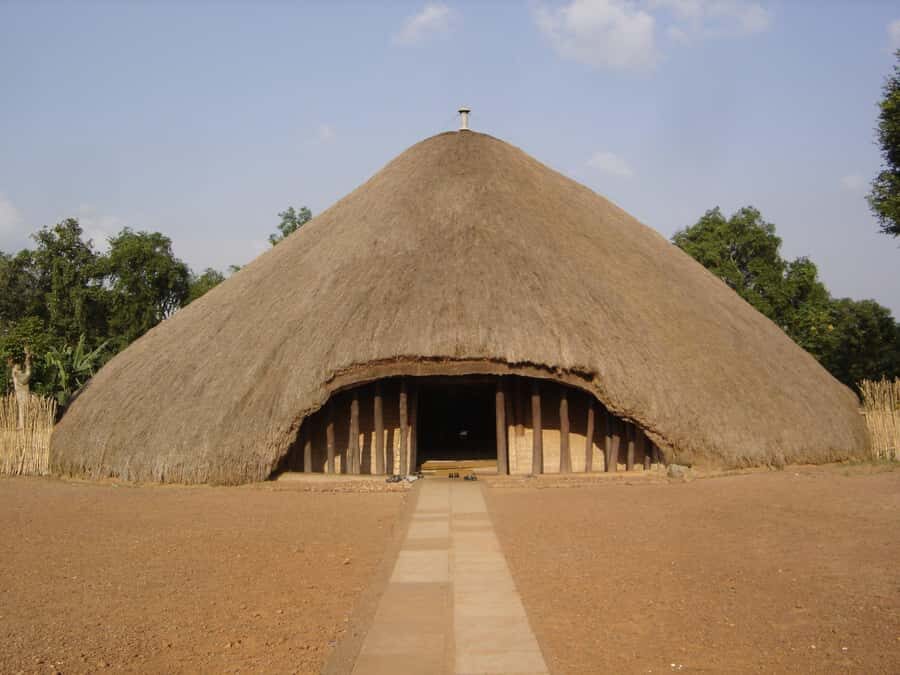
Namugongo Martyrs Shrines is a major religious and historical stop, and it’s handled thoughtfully with two sides included: Catholic and Anglican shrines that are just a short walk apart.
The Catholic Shrine
The Catholic Shrine is described as built on the site where St. Charles Lwanga and his companions were killed. It features a hut-shaped basilica supported by 22 pillars. This is the kind of detail your guide can turn into real understanding, because the architecture is directly connected to the story of martyrdom. The site draws millions of pilgrims each year on June 3rd.
The Anglican Shrine
Nearby, the Anglican Shrine commemorates 23 Anglican martyrs. It also includes a modern amphitheatre, an educational museum, and sacred springs. That combination gives you both reflection spaces and learning spaces, which helps you grasp the wider story rather than only hearing the headlines.
Why this stop works for a private day: you can take your time. It’s not a “see it, move on” location. Even if you’re not religious yourself, you’ll probably appreciate how the site uses architecture and education to keep history present.
One consideration for your schedule: because this place carries deep meaning for many visitors, you may want to keep extra time available here, especially if you like reading or letting your guide explain specifics.
Lunch and Comfort: The Included Meal Makes the Whole Day Easier
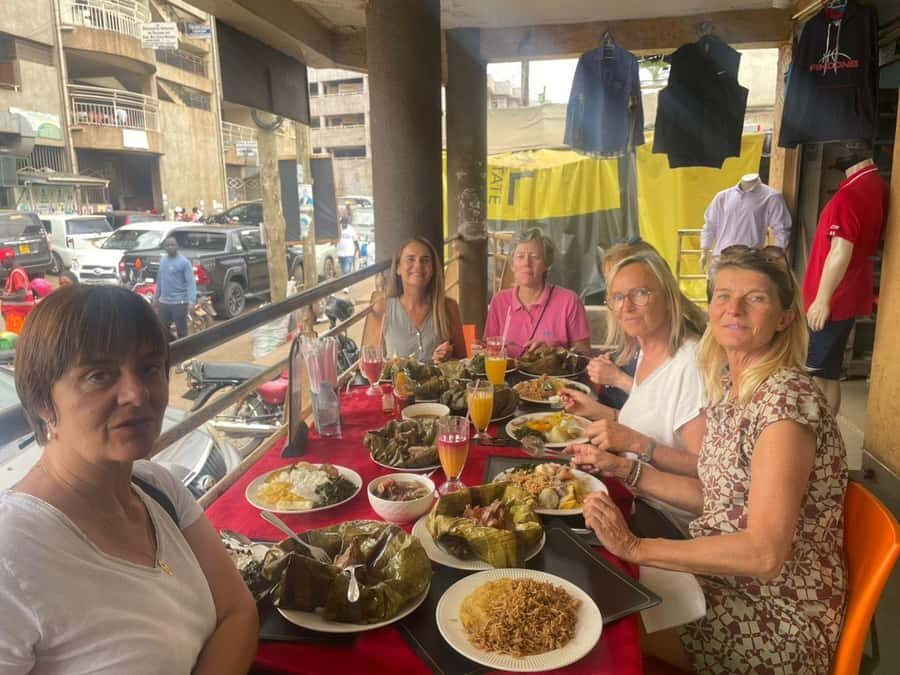
A day packed with monuments and sacred spaces can wear you out. The tour’s practical strength is that it includes a meal—an authentic Ugandan lunch at a local restaurant—plus bottled water.
In a private format, an included lunch does more than feed you. It also prevents the most common problem on city tours: the “where should we eat right now” scramble that eats up time and energy. Instead, you get a built-in break.
Also, the vehicle matters. With private transfers in an air-conditioned vehicle, you’re not stuck negotiating transport between scattered sites. That adds up, especially if you’re someone who likes your travel days to feel calm and planned.
If you don’t drink alcohol, that’s another small plus: alcoholic drinks are not included, so you can decide what fits your preferences.
Optional Downtown Kampala: When One More Stop Makes Sense
You have an option to add a downtown Kampala visit. The tour’s structure already covers major landmarks, but this extra look can help if you want a glimpse of everyday city life beyond the big-ticket sites.
This is a good choice when:
- you want a little variety after the major cultural and religious stops
- you prefer one extra local contrast rather than stretching the day with multiple additional landmarks
Price and Logistics: Is $170 per Person Fair Value?
At $170 per person, you’re paying for a private, guided day with transport and a meal, not just a list of stops. The included pieces that drive the value are:
- private tour with a guide
- transfers in an air-conditioned vehicle
- bottled water
- lunch at an authentic Ugandan restaurant
- coverage of Bagala Craft Market, major memorial monuments, Gaddafi Mosque, Kabaka’s Palace, Kasubi Tombs (UNESCO), the Bahá’í Temple, and Namugongo Martyrs Shrines
What you should think about before booking: if you’re the type who wants to see several top sites without handling transport yourself, this price becomes more reasonable. If you already plan to hire a driver on your own and you’ll skip lunch, then the cost can feel higher. The best value comes when you use the private setup the way it’s intended: guide-led, comfortable movement, and scheduled breaks.
A nice bonus is customization. Since the tour can be tailored to your interests and schedule, you’re not stuck with a one-size-fits-all route.
Who This Tour Fits Best
This works especially well if you want:
- a first-time Kampala orientation that still includes meaningful culture and history
- a private pace, with time to ask questions
- a guide-led mix of royal, UNESCO, religious, and local-market stops
- an included lunch so the day stays practical
It’s also a strong pick for couples who want a calmer rhythm. One account mentioned a no-rush feel for a husband-and-wife visit, which is exactly what private tours are supposed to deliver.
If you’re traveling with limited patience for long queues, private transfers can also help your day stay organized.
Should You Book This Kampala Private Guided Tour?
I’d book it if you want a guided day that balances the big names—Kabaka’s Palace, Kasubi Tombs, Gaddafi Mosque—with deeper stops like Namugongo Martyrs Shrines and a local craft market. The private air-conditioned vehicle plus lunch makes it easy to enjoy the day instead of managing it.
Hold off if $170 per person feels steep for your travel style, or if you only want one or two sites and prefer a cheaper do-it-yourself plan. For most people who want a full, meaningful Kampala day with comfort and context, this tour looks like good value.
FAQ
Is this tour private?
Yes, it’s a private tour. That means you can move at your own pace and your guide can tailor the schedule to your interests.
What transfers are included?
You get transfers in an air-conditioned vehicle. The tour also includes free pick up and drop off.
Is lunch included?
Yes. The tour includes a meal at an authentic Ugandan restaurant, plus bottled water.
Which main sights are included?
The tour includes Bagala Craft Market, Independence and World War Memorial monuments and constitutional square, Gaddafi Mosque, Kabaka’s Palace, Kasubi Tombs (UNESCO), the Bahá’í Temple, and Namugongo Martyrs Shrines (Catholic and Anglican).
Can I customize the itinerary?
Yes. The tour is fully customizable to match your interests, schedule, and pace, including adjustments to stops and preferred departure time.
Is an optional downtown Kampala visit available?
Yes, there is an optional visit to downtown Kampala.
What is not included in the price?
Souvenirs and alcoholic drinks are not included.
Can I pay later and cancel for a refund?
You can reserve & pay later, meaning you pay nothing today. You can cancel up to 24 hours in advance for a full refund.
What language are the tours offered in?
The guide provides the tour in English.