REVIEW · KAMPALA
Like a local cooking Tours
Book on Viator →Operated by Free Walking Tours Kampala · Bookable on Viator
Kampala food tastes like a story. What makes this tour special is that you’re not just watching Ugandan cooking, you’re doing it with local female hosts and a young student chef, plus you’ll hit Owino Market to buy ingredients together. I also like that the whole day connects food to something real: the Free Female training project for girls and clean safe drinking water for rehabilitated street children.
One thing to watch: the $26 covers the guiding and lunch, but you’ll likely add money for ingredients shopping (and any transport to the host home). If that feels like a surprise, it can take the shine off.
In This Review
- Quick highlights you’ll care about
- Kampala Cooking in Real Homes: The 4-Hour Rhythm
- Meeting Near Uganda National Mosque: Your Day Starts in Old Kampala
- Owoino Market Shopping: Where the Meal Gets Real
- Cooking at Fatumah, Hannah, Rosette, and Doreen’s Homes
- The Food Skills You’ll Actually Walk Away With
- Drinking and Alcohol: What’s Included, What’s Not
- Hidden Neighborhood Stories Without the Tour-Group Noise
- The Cause Behind Your Meal: Free Female Training and Clean Water
- Price and Logistics: Getting $26 to Feel Like a Deal
- Who Should Book This Kampala Cooking Tour
- Should You Book It? My Straight Answer
- FAQ
- Where does the tour start?
- How long is the cooking tour?
- How much does it cost?
- What’s included in the price?
- What isn’t included?
- How large is the group?
- What should I know about weather and refunds?
Quick highlights you’ll care about
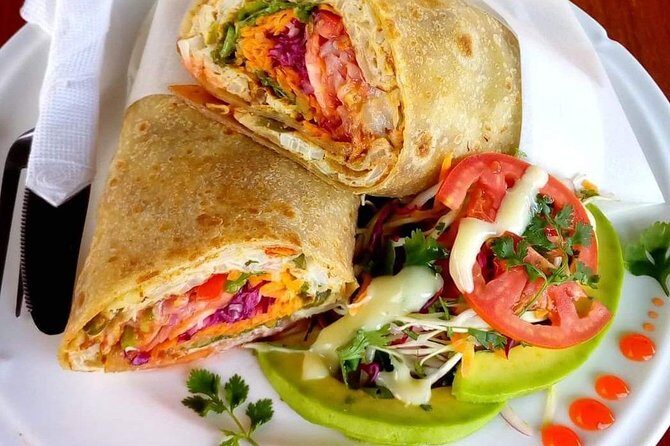
- Owino Market ingredient run: You shop for what you’ll cook, not just taste it.
- Home-cooking, not a restaurant script: You eat with the people making the food.
- Hands-on Ugandan staples: Expect skills like peeling matooke and learning how it’s steamed in matooke leaves.
- Small group size: Max 10 travelers means questions get answered.
- Female-led experience: Local guides and a young female student chef run the day.
- Tour supports a cause: Girls training and clean water link directly to your meal.
Kampala Cooking in Real Homes: The 4-Hour Rhythm
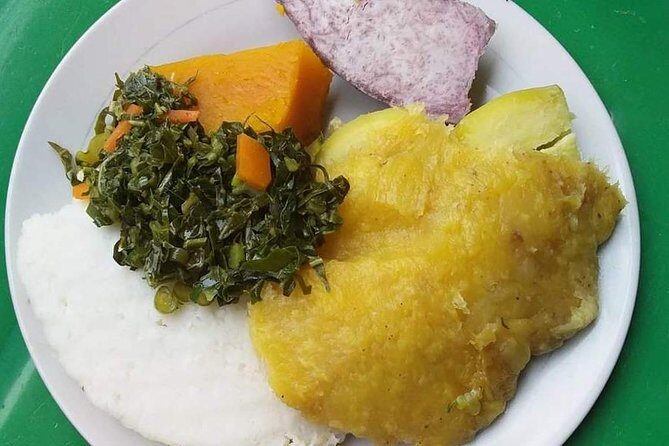
This is a short, focused food tour that feels like a visit with a friend who actually cooks. The whole experience is built around doing three things in sequence: talk and learn, shop for food, then cook and eat in a home. With a duration of about four hours and a group capped at 10, it stays manageable even if you’re new to Uganda or unsure how the day will flow.
I like the pace because it doesn’t drag. You get the full arc—market shopping, kitchen time, then eating—without spending the afternoon trapped in a loud, formal setting. And because it’s female-led (local guides plus a young student chef), the vibe tends to be warm and conversational rather than showy.
The small drawback is also part of the structure: you’re participating in a home meal, which means the day depends on people, weather, and prep work. The experience requires good weather, and if it’s canceled due to weather, they’ll offer another date or a full refund.
You can also read our reviews of more cooking classes in Kampala
Meeting Near Uganda National Mosque: Your Day Starts in Old Kampala

You meet near the Uganda National Mosque on Old Kampala Road. That’s a handy landmark: it’s easy to orient yourself, and the area is described as near public transportation. From there, you move with your guide through the city’s everyday life, picking up context as you go.
What you should expect in these early minutes: introductions, quick ground rules, and a taste of the stories that thread through the day. The tour is built on sharing food, history, and culture, and the best part is how the guide uses real dishes and real routines as the entry point. You’re not getting a lecture. You’re getting a reason to care.
If you’re the type who worries about feeling lost, don’t. The tour ends back at the meeting point, so you’re not stuck figuring out how to get home after the meal.
Owoino Market Shopping: Where the Meal Gets Real
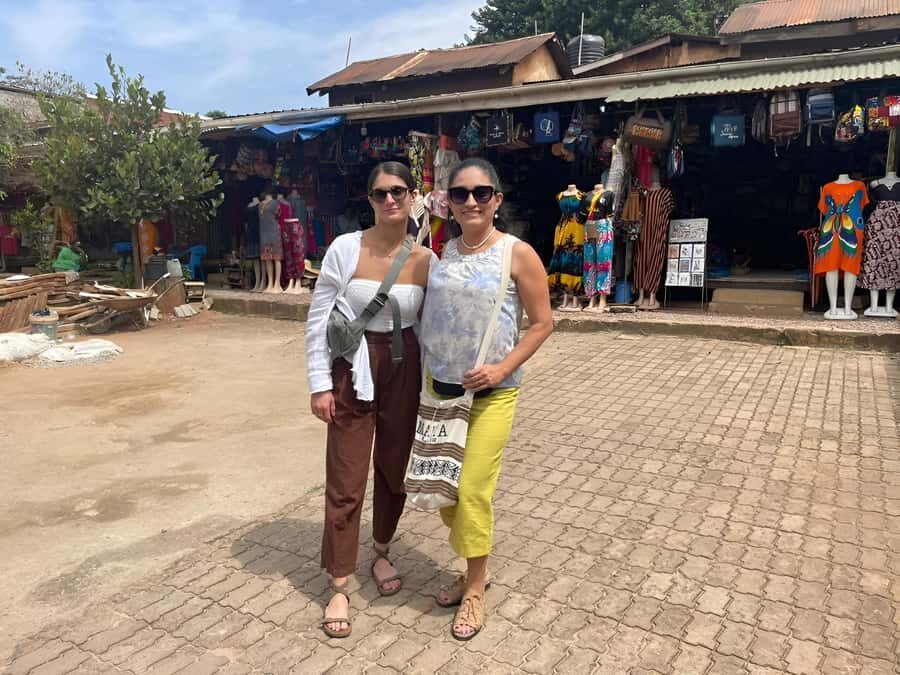
A highlight is the ingredient shopping at Owino Market. This is where you see what people buy for daily cooking, and it changes the way you taste later. You’re not simply handed food. You’ve watched the selection process, asked questions, and seen the ingredients that make Kampala food what it is.
There’s also a practical reason this stop matters: this is where you can plan for costs. Shopping fees for the food and drinks prepared are not included. That means you should expect to pay for ingredients (and possibly non-lunch drinks) as part of the day.
One tip I’d give you: before you go, clarify what portion of the ingredients shopping is covered versus what’s paid by you. A disappointed guest had an issue after purchase when the message about ingredient coverage wasn’t clear. The provider’s response basically boils down to this: the amount you pay includes the guide fee, and shopping to prepare the meal is at your cost. So ask directly and get it straight in your booking conversation.
Cooking at Fatumah, Hannah, Rosette, and Doreen’s Homes

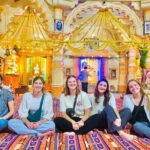
After shopping, you head to cook and eat at a host home. This is the heart of the tour. You’ll spend time with your local guide and hosts—names you might hear during the day include Fatumah, Hannah, Rosette, and Doreen—and you’ll also meet the young female student chef who joins in the kitchen.
In a home setting, the cooking is interactive. You’ll likely take on tasks that make sense for the meal and your comfort level: chopping, assisting with prep, and learning techniques that you can’t easily replicate from a recipe alone. One guest specifically highlighted learning to peel matooke correctly and watching how it’s steamed in matooke leaves. That’s the kind of detail that stays with you, long after the meal is gone.
Eating together is built into the flow. The tour includes lunch, and the atmosphere tends to be relaxed and friendly rather than formal. Guests described warm, open conversations about food and culture, which tells me the day isn’t just about cooking—it’s also about how people talk while cooking. If you like human stories and not just photo stops, you’ll probably enjoy this part.
One practical note: transportation fees to the host’s home are not included. Depending on where your host home is, you might need to cover that. Again, clarify in advance so you don’t feel caught off guard mid-day.
The Food Skills You’ll Actually Walk Away With
Here’s what stands out from the experience itself, not just the general concept. The tour is designed to teach you hands-on cooking skills and food knowledge you can use later—or at least enough to understand what you’re eating.
Based on the cooking described in past experiences, the biggest skill moment is often around matooke:
- learning correct peeling technique
- understanding why it’s prepared and steamed using matooke leaves
And it’s not only about matooke. You’re told to cook and eat Kampala delights, and your guides share stories of food and culture while you work. That means you’ll probably hear how people think about ingredients and timing, not just how to follow steps.
Also, since the tour includes lunch, you’ll feel the payoff immediately. You don’t have to wait until you get back to a hotel restaurant to enjoy the results of your efforts. You get that satisfaction right there at the table.


Drinking and Alcohol: What’s Included, What’s Not
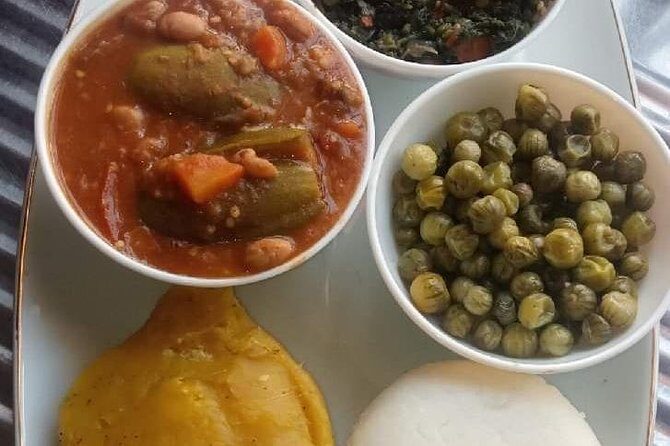
The tour wording includes eat and drink, but the actual inclusions are specific. Lunch is included. Alcoholic beverages are not included.
So if you want beer or something stronger, budget for it separately. And if you’re not into alcohol, you can still enjoy the social parts of the day—people eat, talk, and share tastes regardless of what’s in the cup. Just treat anything alcoholic as extra.
Hidden Neighborhood Stories Without the Tour-Group Noise
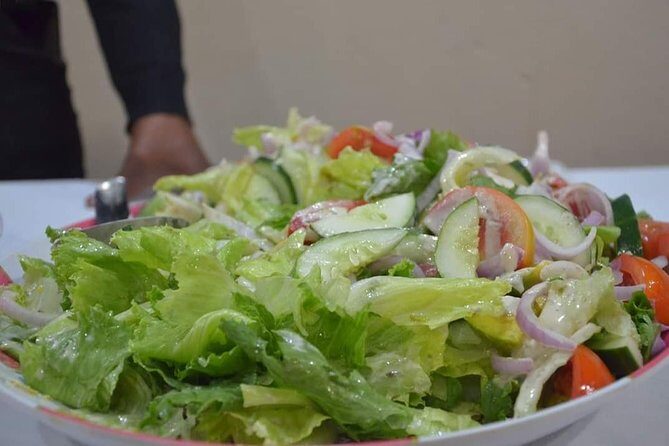
The tour is also described as exploring hidden gems only locals know, but the practical takeaway is simpler: you’ll get little detours and context between the main activities. This is where your guide’s storytelling matters.
In places like Old Kampala, the difference between a standard sightseeing walk and a local-led food day is how quickly you start understanding daily life. You’ll likely pick up food-related cultural context while walking between stops. That might sound indirect, but it’s often the fastest way to make the city feel navigable and meaningful.
Because the group size is capped at 10, you should expect less crowd noise and more chances to ask questions. In a group that small, it’s easier for the guide to slow down when someone wants to understand ingredients, kitchen roles, or cultural context.
The Cause Behind Your Meal: Free Female Training and Clean Water
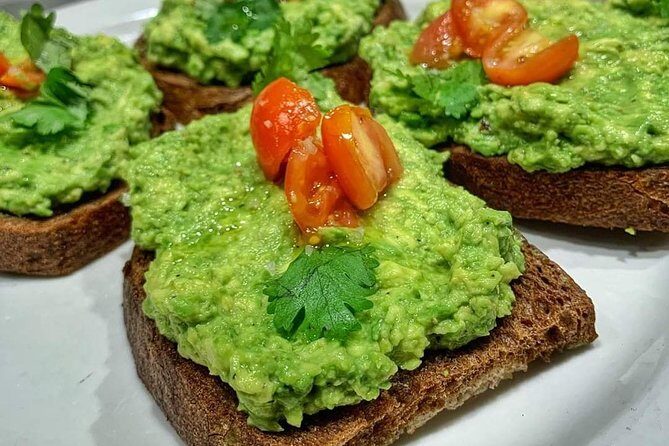
This is the part I’d highlight for value beyond the plate. Your participation supports:
- the Free Female training project for girls
- access to clean safe drinking water for rehabilitated street children
That doesn’t mean the tour turns into a lecture. Instead, the cause is integrated into the experience you’re already doing—sharing a meal, learning cooking, and supporting a program that helps girls and vulnerable children.
If you care about travel that does more than take photos, this is one of those days where your money is tied to outcomes you can feel good about. And since the tour is explicitly female-led, it also reinforces the focus on supporting girls and women through training and opportunity.
Price and Logistics: Getting $26 to Feel Like a Deal
At $26 per person, the math looks great on paper because lunch is included and you’re getting:
- a market shopping component
- hands-on cooking time at a home
- guide time and storytelling
- a small group limit (max 10)
But the tour is also clear about what isn’t included:
- alcoholic beverages
- transportation fees to the host’s home
- shopping fees for food and drinks to be prepared
So the real question isn’t just the sticker price. It’s whether you go in knowing that you’ll pay extra for ingredients and potentially transport. If you budget for that upfront, you’ll feel like you got a bargain. If you don’t, you might end up frustrated.
The most important practical move: ask for clarity before you arrive. You’re not being difficult. You’re avoiding a mismatch between what you thought was included and what the tour expects you to cover. One prior guest felt misled when ingredients weren’t included the way they expected. The provider explained it was on them to communicate that the paid amount is the guide fee, with ingredient shopping at the guest’s cost. Use that as your cue to confirm details early.
Also note: you’ll receive confirmation at booking, and the experience requires good weather. If weather cancels it, you’ll be offered another date or a full refund. Free cancellation is available up to 24 hours in advance for a full refund, which is useful if Kampala weather plays games with plans.
Who Should Book This Kampala Cooking Tour
This tour is a good match if you want any of these things:
- Ugandan food that you help cook, not just taste
- a home setting with local hosts, including conversations about culture
- a female-led experience focused on learning and connection
- a small-group day that’s short enough to fit into an itinerary
It also works well if you’re comfortable with markets and don’t mind that the day includes some shared costs for ingredients. If you need everything fully prepaid with no extra spend, you might find the ingredient and transport exclusions annoying.
And if you’re traveling solo, this can be a relief. The group is small and the activities are structured, so you won’t be left wandering. If you’re traveling as a couple or friends, it’s also easy to get along because you’ll cook and eat together.
Should You Book It? My Straight Answer
Yes, I’d book it if you like practical, human travel: markets, kitchens, and real people. The best part is the combination of hands-on Ugandan cooking (including technique moments like matooke prep) and the chance to talk with hosts like Fatumah, Hannah, Rosette, and Doreen. The cause is also meaningful, and at this price point it can feel like excellent value.
I’d pause only if you dislike shared costs or you need zero surprises. The ingredient shopping and possible host-home transport aren’t included, and that’s exactly what created a bad experience for at least one past booking. If you confirm those details up front, the day should work out much better.
FAQ
Where does the tour start?
It starts near the Uganda National Mosque on Old Kampala Road in Kampala, Uganda, and it ends back at the same meeting point.
How long is the cooking tour?
The tour runs for about 4 hours.
How much does it cost?
The price is $26.00 per person.
What’s included in the price?
Lunch is included.
What isn’t included?
Alcoholic beverages, transportation fees to the host’s home, and shopping fees for the food and drinks to be prepared are not included.
How large is the group?
The tour has a maximum of 10 travelers.
What should I know about weather and refunds?
The experience requires good weather. If it’s canceled due to poor weather, you’ll be offered a different date or a full refund, and you can cancel up to 24 hours in advance for a full refund.