REVIEW · KAMPALA
8-Day Private Uganda Big 5 Luxury Safari with Gorillas and Chimps
Book on Viator →Operated by Pamoja Tours and Travel · Bookable on Viator
Uganda can feel like it was built for wildlife people. This private luxury safari strings together big-game parks with gorilla tracking in Bwindi and chimp tracking in Kibale, plus Nile water time in between. It is designed so you spend your days in the places that make Uganda famous, not stuck on detours.
I especially love the way the trip blends animals and settings. You get Murchison Falls in full roar mode and then swap to forest tracking in Bwindi and Kibale, where the pace slows and the experience gets personal. You also get a private setup, and from what I’ve seen in real feedback, the vehicle quality matters: guides like Amos are known for keeping things running smoothly and making sure your plans actually happen.
One consideration: this kind of safari stacks long drives and unpredictable wildlife time. Gorilla tracking can take 2 to 10 hours, and you should expect the full day rhythm to be active, not relaxed.
In This Review
- Key highlights to know before you go
- Uganda’s Big 5 route works because it matches the wildlife
- Murchison Falls: 43m thunder and the Albert Nile at work
- Kibale travel days feel like part of the safari
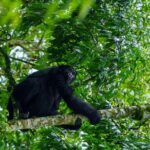
- Chimpanzee tracking at Kanyachu: rules and patience
- Queen Elizabeth’s Kasenyi game drive plus Kazinga Channel boats
- Ishasha tree-climbing lions and the road to Bwindi
- Gorilla tracking in Bwindi: why timing is the real deal
- Extra lion programs: tree-climbing and lion experiential tracking
- Price and value: what $8,000 is really buying
- Who this safari suits best (and who should think twice)
- My booking verdict: should you do it?
- FAQ
- How much does the 8-day private Uganda Big 5 luxury safari cost?
- How long is the safari?
- Where does the tour start and end?
- Is pickup offered?
- Is this a private tour?
- What physical fitness level do I need?
- Is there an age requirement for chimpanzee tracking?
- How long does gorilla tracking take?
- Are admission tickets included?
- What happens if weather is poor?
- Is there free cancellation?
Key highlights to know before you go
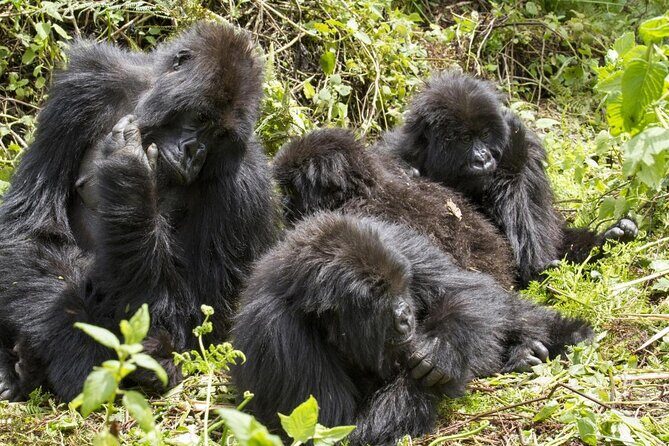
- Gorilla tracking in Bwindi with a ranger guide briefing and an unpredictable 2–10 hour trek window
- Chimpanzee tracking after a morning briefing at Kanyachu, with an above-18 tracker requirement
- Two Nile/Channel cruises: Albert Nile to the bottom of Murchison Falls plus a Kazinga Channel boat ride
- Game drives in multiple sectors, including Northern Murchison Falls and Queen Elizabeth’s Kasenyi area
- Ishasha for tree-climbing lions on the way to Bwindi
- Extra lion options, including tree-climbing lion programming and a lion experiential tracking choice
Uganda’s Big 5 route works because it matches the wildlife
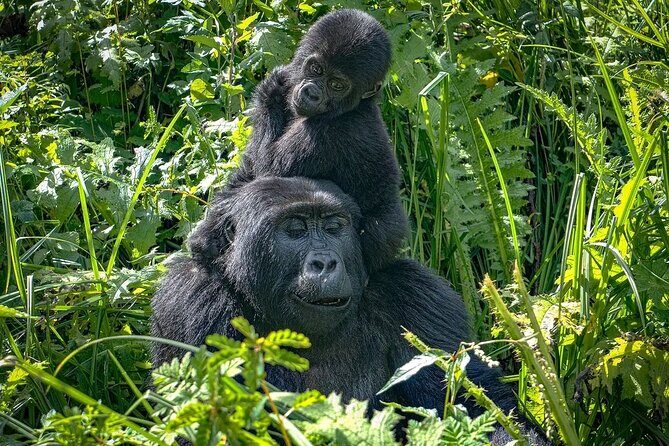
This is not a one-park weekend. The value of this itinerary is how it layers Uganda’s main habitats into one trip: river country, savanna, crater landscapes, and deep forest.
You move from Murchison Falls National Park (river bends, lions and elephants, and that jaw-dropping waterfall) into Kibale (chimp country), then onward to Queen Elizabeth (classic savanna + boat-friendly waters). After that, the trip shifts into Bwindi Impenetrable Forest for gorilla tracking, which is the emotional centerpiece for most people planning Uganda in the first place.
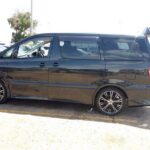
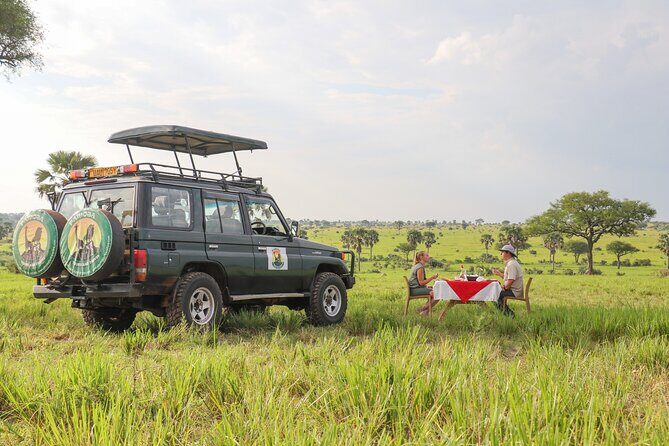
The private format matters here. It is only your group, so the schedule is built around your pace and timing rather than shoehorning you into random group transfers. Reviews also point out that the cars are in excellent condition, so you are not spending the best hours of the day bouncing around in an uncomfortable vehicle.
You can also read our reviews of more private tours in Kampala
Murchison Falls: 43m thunder and the Albert Nile at work
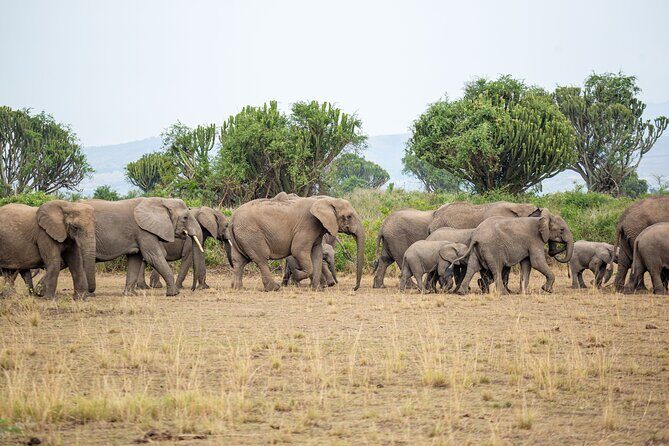
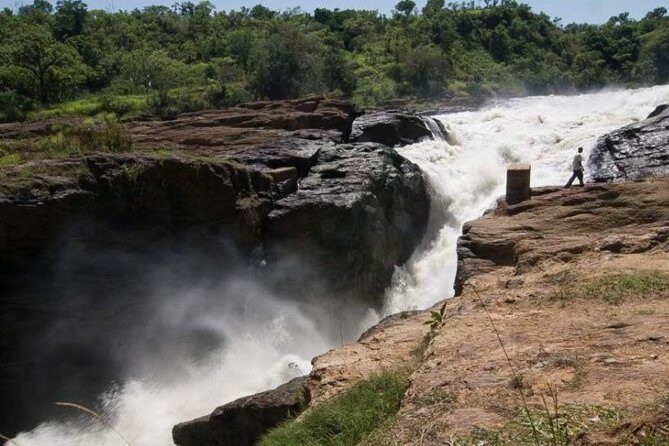
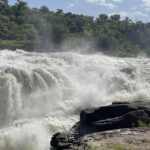
Murchison Falls National Park is a strong opener for a reason. The first time you see the falls, you get why people return to this park year after year.
On day one, after an early breakfast in Kampala, you head west toward Masindi and enter through the Kichumbanyobo gate. Lunch happens in Masindi, then you continue into the park for the main falls view. The description you should keep in your head: the world’s longest river pushes through a tapered crevice in the Rift Valley escarpment and drops about 43 meters into a foaming pool below. You are also in the area where it can rain and where a rainbow can form near the falls.
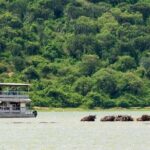
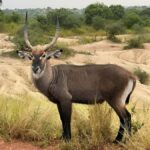
Day two adds the other side of Murchison: wildlife early, then water time. You go for a game drive in the northern sector, with a realistic chance of seeing giraffes, lions, elephants, baboons, and multiple antelope species. Then you switch to the Albert Nile cruise to the bottom of the falls, where you can look for hippos, crocodiles, waterbucks, and lots of birdlife.
What you’ll like most: this is one of the few places where you can go from big, loud scenery to a slow cruise on the same trip. That contrast keeps the days from feeling repetitive.
The main drawback to consider: you are committing to a lot of driving early on. If you get motion sickness, plan for it before day one. And remember that wildlife viewing is never guaranteed, even with good guides.
Kibale travel days feel like part of the safari
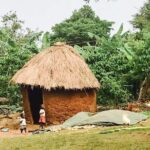
Day three is a long one by necessity: you travel from Murchison Falls to Kibale Forest National Park, a trip that takes about 7 to 8 hours. The route goes through the Albertine Escarpment countryside, and you pass Hoima homesteads, which gives you a glimpse of everyday African life outside the parks.
You stop for lunch in Hoima town, then continue onward to Fort Portal and reach Kibale late afternoon. That arrival timing is practical: it helps you settle in before you start chimp tracking the next morning.
This is also where the private luxury idea earns its keep. When you are paying for private service, you want smooth transitions and fewer stress moments. In this itinerary, the travel portion is treated as a real segment of the day, not as dead time.
Chimpanzee tracking at Kanyachu: rules and patience
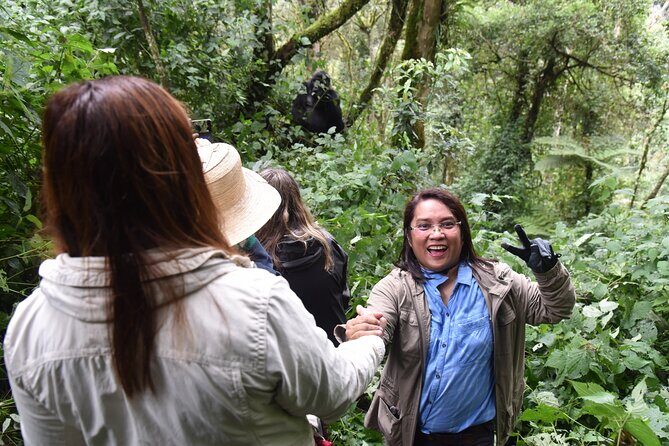
Chimp tracking usually turns into a story people never forget. The big practical point here is that you need the right mindset. This is forest tracking, so it is not a drive-and-snap-photo kind of activity.
In Queen Elizabeth, you’ll receive a morning briefing for chimpanzee tracking at Kanyachu, the park headquarters. Then you go into the forest with trackers searching for man’s closest friend. There is a clear requirement: chimp tracking has an above-18 age rule for trackers.
Besides chimps, you also have the possibility of seeing other primate species such as grey-cheeked mangabeys, baboons, and vervet monkeys. The experience is built around understanding what chimp behavior looks like and how close it can feel to human patterns.
After tracking, you return for lunch, then in the afternoon you move to Queen Elizabeth National Park. En-route, there is a visit to crater regions for scenic viewing. That break helps the day feel varied instead of purely logistical.
The likely drawback: forest time is unpredictable. You may have to walk and wait, and sighting moments can change quickly. If you hate uncertainty, you’ll need to lean into the guided rhythm.
Queen Elizabeth’s Kasenyi game drive plus Kazinga Channel boats
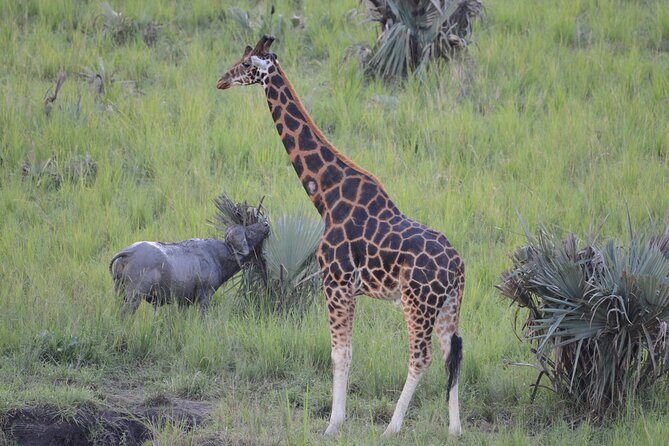
Day five is the kind of day safari people dream about: morning big-game chances, then a water safari that feels different from a land game drive.
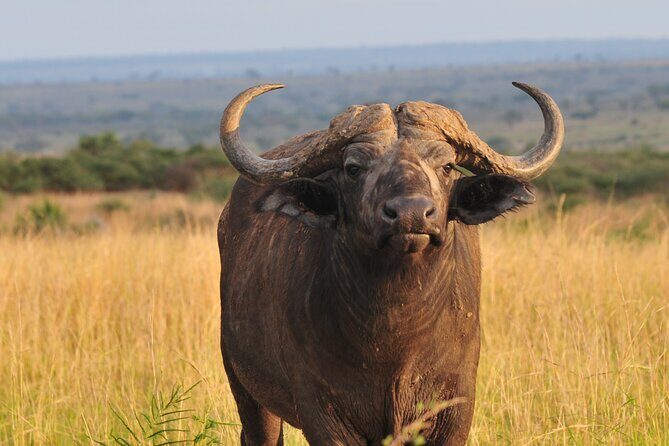
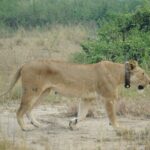
You start early with a game drive along the Kasenyi track, where the schedule expects sightings such as buffalo, elephant, warthog, and lion. Then you return to the lodge for lunch.
In the afternoon, you head out for a 2-hour launch cruise along the Kazinga Channel. This is where you often see hippos close to the waterline, crocodiles basking, and many bird species. The channel setting is also excellent for watching wildlife without constantly scanning for tracks.
Why this works: it changes how you see animals. In a vehicle, you’re reading the bush from a distance. On a boat, you’re watching the animal routines that happen at the water’s edge. For many people, that’s the day when wildlife photography becomes fun rather than frantic.
A few more Kampala tours and experiences worth a look

Ishasha tree-climbing lions and the road to Bwindi
Day six is about two things: a focused wildlife stop en route and then a transition into gorilla country.
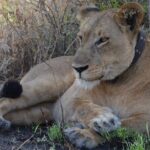
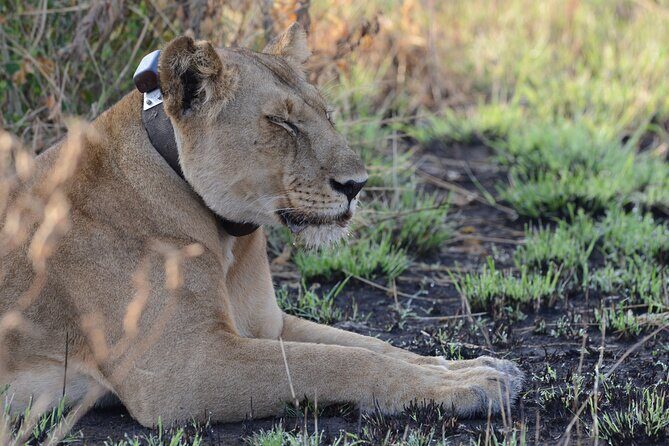
You drive to Bwindi Impenetrable National Park via the Ishasha sector, a region known for rare tree-climbing lions. You do the Ishasha game drive first, then have lunch, then continue to Bwindi, arriving in the evening.
This is an efficient way to add an extra wildlife headline. It also helps you psychologically: instead of going straight from savanna into forest without a highlight, you get one more chance at a unique sighting style before Bwindi.
The practical consideration: Ishasha sightings can be hit or miss. The tree-climbing angle makes it exciting, but it also means you are buying a chance, not a guarantee. Keep expectations flexible and trust the ranger guidance.
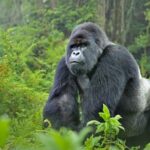
Gorilla tracking in Bwindi: why timing is the real deal
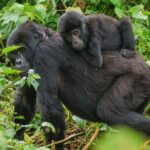
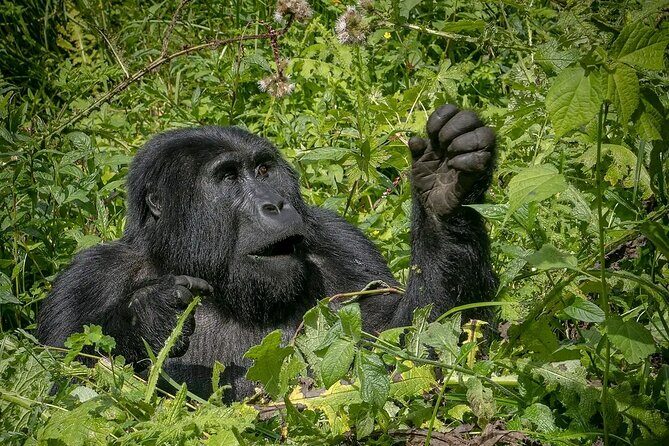
Day seven is the moment most people plan Uganda around: gorilla tracking in Bwindi Impenetrable Forest.
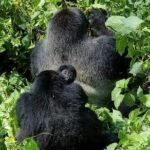
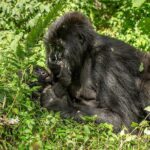
You gather early at the park headquarters for a briefing from a Uganda Wildlife Authority ranger guide. That matters because the tracking protocol shapes how close you get, how you behave, and how the group moves. Once the briefing is done, you set out into the jungle forest with packed lunch.
Here is the key timing detail: the time it takes to track gorillas is unpredictable and can take 2 to 10 hours. That variability is not a small footnote. It affects how you plan your day, your energy, and even how you manage your camera strategy.
If you are comfortable with uncertainty and you can keep patience at the top of your list, this is where the safari becomes personal in the best way. You are not just watching animals at a distance. You are in their world long enough for the encounter to feel real.
What I’d watch for before you go: moderate physical fitness is required. Gorilla tracking includes jungle terrain, and you should expect some uphill walking and time on uneven ground.
Extra lion programs: tree-climbing and lion experiential tracking
This safari comes with special extra options around lions. One is tree-climbing lions, linked to the Ishasha area, which you already see built into the journey.
The other option is a lion experiential tracking program, described as getting you closer to nocturnals or predators. The details beyond that are not spelled out in the trip summary, so you should ask your operator what is included, when it runs, and how often it can be done based on conditions.
Still, this is a smart add-on if you want more than standard daytime game drives. Predator behavior often looks different after dark. Just remember: extra experiences can mean extra walking or longer days, and wildlife timing depends on weather and animal movement.
Price and value: what $8,000 is really buying
At $8,000 per person, this is a luxury-level safari. The value is not just the parks. It is the structure.
First, you are paying for a private itinerary that connects multiple regions without forcing you into group compromises. Second, the schedule includes admission tickets on several days, and some days are marked Admission Ticket Free. That suggests the operator is packaging key access items into the program rather than pushing you to handle everything separately.
Third, gorilla and chimp experiences are expensive because they require ranger-led systems and park permissions, plus staff time. Even if you don’t see every detail listed line-by-line, that cost logic is built into the itinerary choices.
Finally, the human part matters. In one set of feedback, the guide Amos is singled out for friendly care and for making wishes come true. Another mention includes a travel consultant, Regina, connected to the planning and support side. When you are paying at this level, you want that kind of attention.
My balanced take: if you want a comfortable vehicle, smooth transitions, and guided focus at the moments that matter most, this pricing can feel reasonable. If you are trying to minimize spending and you’re fine doing a lot yourself, you might find cheaper group options elsewhere. But for a bucket-list trip with rare wildlife, convenience and expertise are not extras—they are part of the product.
Who this safari suits best (and who should think twice)
Best fit:
- You want a once-in-a-lifetime animal mix: mountain gorillas, chimps, and classic Big Five chances
- You like variety: waterfall scenery, forest tracking, savanna game drives, and boat cruises
- You prefer a private setup where your group is the only group participating
- You’re okay with moderate physical activity and long, full days
Think twice if:
- You want everything scheduled down to the minute. Gorilla tracking can take 2 to 10 hours.
- You are not comfortable with forest walking and waiting for wildlife to move.
- You need activities to be suitable for kids or under-18 trackers for chimp tracking, since chimp tracking has an above-18 age rule for trackers.
My booking verdict: should you do it?
If your goal is to see rare primates and pair that with classic Ugandan big-game areas, I think this is a strong booking choice. The itinerary logic is practical: you start with Murchison, build into chimp tracking, shift into Queen Elizabeth for savanna and water wildlife, then finish in Bwindi for gorillas. The private service layer and the emphasis on good vehicle comfort from real feedback make the trip feel like it matches the price.
I’d book it if you can handle unpredictability and you value guided experiences over rigid timetables. If you want a purely relaxing vacation with minimal walking and no timing surprises, you might want a different style of safari.
FAQ
How much does the 8-day private Uganda Big 5 luxury safari cost?
The price is $8,000.00 per person.
How long is the safari?
It runs for 8 days approximately.
Where does the tour start and end?
It starts at Entebbe International Airport / Kampala Road, Entebbe, Uganda, and it ends back at the meeting point. Day 8 includes transfer back to Kampala with lunch en route, with drop-off at your hotel or the airport for a late night flight.
Is pickup offered?
Yes, pickup is offered.
Is this a private tour?
Yes. It is private, and only your group participates.
What physical fitness level do I need?
Travelers should have a moderate physical fitness level.
Is there an age requirement for chimpanzee tracking?
Yes. The chimpanzee tracking activity requires trackers to be above 18 years of age.
How long does gorilla tracking take?
Gorilla tracking time is unpredictable and can take 2 to 10 hours.
Are admission tickets included?
The schedule indicates admission tickets are included for some days and marked as Admission Ticket Free for others. You should confirm what is covered when booking, based on the final program details provided to you.
What happens if weather is poor?
This experience requires good weather. If it is canceled due to poor weather, you will be offered a different date or a full refund.
Is there free cancellation?
Yes. You can cancel for free up to 24 hours in advance for a full refund. If you cancel less than 24 hours before the start time, the amount paid will not be refunded.