REVIEW · KAMPALA
Kampala: Katanga Slum Guided Walking Tour
Book on GetYourGuide →Operated by Kitenji Uganda Safaris and Tours · Bookable on GetYourGuide
Katanga can feel like another world—right next door. This guided walk through Katanga slum turns quick headlines into real people, real routines, and real choices, told by someone who lives there.
I love the small-group setup capped at 6 people, because it makes conversation possible instead of turning the experience into a rushed photo stop. I also like that your guide focuses on firsthand stories—how the area grew fast, what life looks like day to day, and how families build support networks even when infrastructure is limited.
One consideration: this tour isn’t suitable for mobility impairments. Expect walking through narrow paths and uneven ground, with topics that can be emotionally heavy (overcrowding, sanitation challenges, and economic pressure).
Key Points to Know Before You Go
- Small group of up to 6 keeps the pace human and the questions welcome
- Resident-led context explains Katanga’s rapid growth and how people make it work
- Hands-on community stops can include homes, a church, and education-focused sites
- Local economy in action: chapati stalls, market trading, and scrap-to-craft creativity
- Honest look at hardship alongside pride, music, and kids playing
- Respect rules matter: your guide will set expectations for behavior inside the settlement
In This Review
- Katanga Slum Walk: why this tour hits harder than a postcard
- Meeting at Kitenji Uganda Safaris and Tours: start easy, then go real
- Wandegeya viewpoints: a quick reset before Katanga
- Entering Katanga: your guide sets the tone and pace
- Homes, church, school stops: learning what education and community mean
- Small businesses and artisans: chapati sizzling and scrap-to-craft creativity
- The hard parts you’ll see: overcrowding, sanitation issues, and economic pressure
- Safety and comfort: how the walk stays manageable
- Timing and logistics that affect your experience
- Price and value: is $25 worth it?
- Who should book this tour (and who might pause)
- Should you book the Kampala Katanga Slum guided walking tour?
- FAQ
- How long is the Katanga slum guided walking tour?
- What time does the tour run?
- How many people are in a group?
- Where does the tour start and end?
- Is the live guide available in English?
- Is the tour suitable for mobility impairments?
- What should I bring for the tour?
- What is included in the price?
- Are meals or drinks included?
- Is free cancellation available, and can I reserve without paying today?
Katanga Slum Walk: why this tour hits harder than a postcard
Katanga is one of Kampala’s largest informal settlements, and that scale matters. From the edge, you’ll hear how the area expanded quickly—how people arrived, how neighborhoods formed, and how residents adapted to limited services.
The point isn’t to turn poverty into entertainment. It’s to understand what “urban life on the margins” looks like when you walk beside people instead of reading about them from far away. Your guide—English-speaking and local—acts as your translator for daily reality: the good, the hard, and the practical.
I like that the experience is structured like a walk through lived space. You’re not stuck at one viewing point. You move along narrow paths, see small businesses operating close up, and learn why community choices (education, youth initiatives, support networks) can change futures over time.
Meeting at Kitenji Uganda Safaris and Tours: start easy, then go real
You begin at Kitenji Uganda Safaris and Tours. That matters because it sets the tone: this tour is run by an established local operator with a resident guide lined up for your time slot.
You’ll also get a heads-up that helps you feel grounded before you enter. The guide typically briefs you on what to expect once you’re inside—how to behave, how to ask questions respectfully, and what not to do. It’s the kind of orientation that makes the walk feel safer and smoother, especially if you’ve never toured an informal settlement before.
Then you head toward Wandegeya, where you’ll have scenic views on the way. It’s a simple but useful transition. The goal is to start with perspective, not shock.
You can also read our reviews of more walking tours in Kampala


Wandegeya viewpoints: a quick reset before Katanga
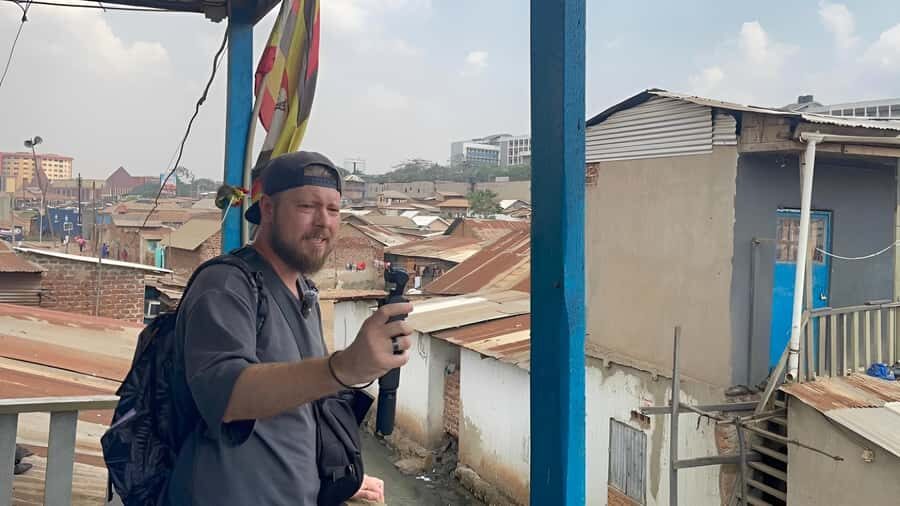
On this route, you’re shown the Kampala side of the story—where the city presses in and where neighborhoods connect. Those “scenic views on the way” give you a moment to catch your bearings before the walk becomes close-up.
This segment is short, but it’s smart. Katanga isn’t a separate planet. It’s part of Kampala’s urban landscape, and seeing how the areas relate helps you understand why inequality is more than an idea—it’s a map you can walk through.
If you’re the type who likes to know where you are before you start photographing, you’ll appreciate this pause.
Entering Katanga: your guide sets the tone and pace
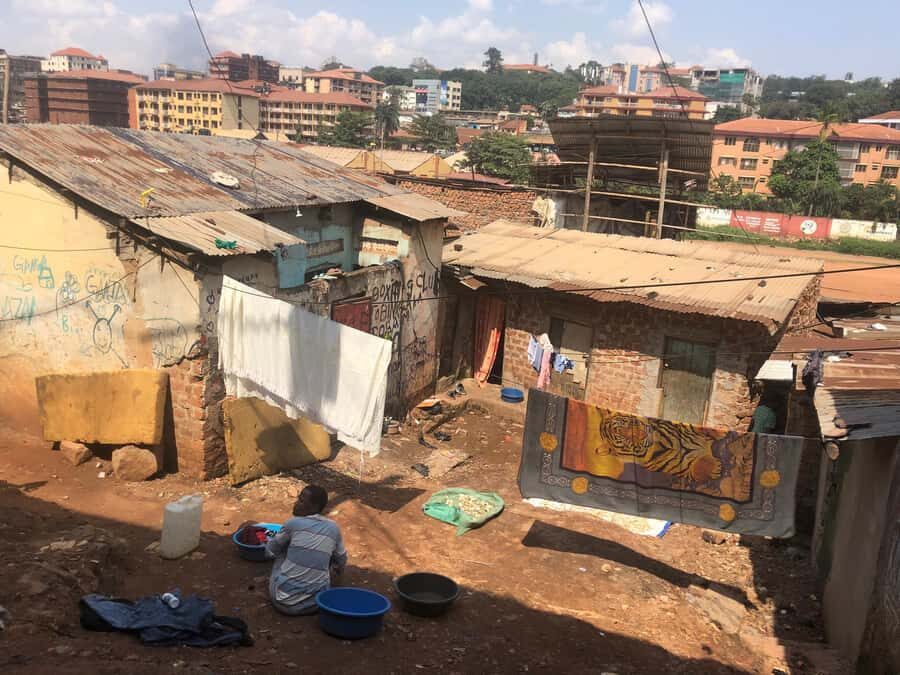
Once you reach the settlement edge, your resident guide takes over. You’ll learn about Katanga’s role in Kampala and how it grew so rapidly. That history isn’t just a timeline—it explains why the neighborhood looks the way it does today and how people manage daily challenges.
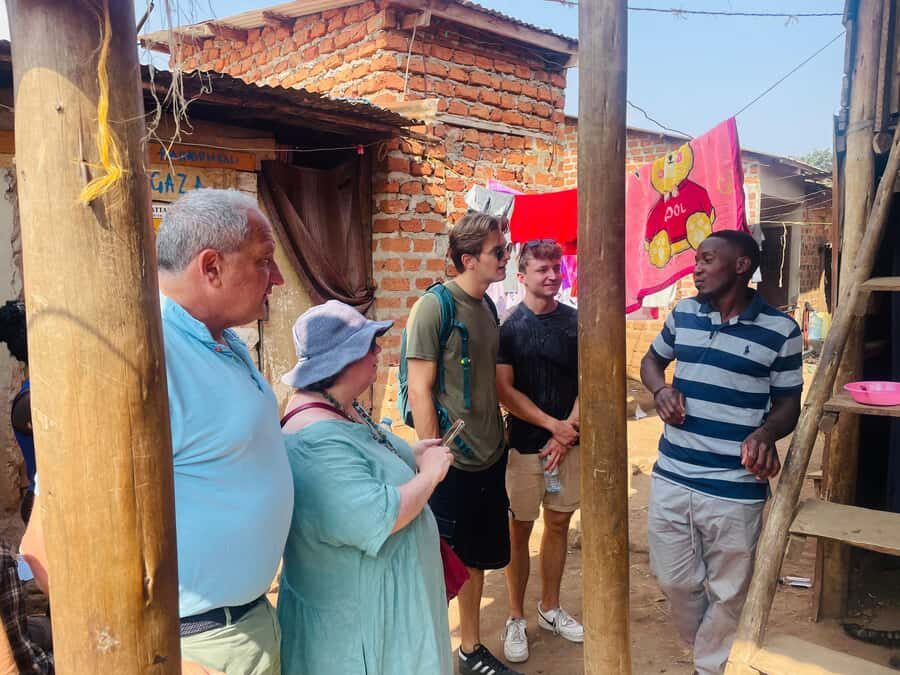
From there, the walking is the main event. Expect narrow alleys and close interactions with local life. The group stays small (up to 6), which makes a difference. Your guide can slow down for questions and adjust if someone needs a moment.
A few key themes show up as you walk:
- How families live with limited infrastructure
- How residents form support networks
- How young people create income opportunities
- Why education and youth projects come up again and again
You’ll also hear the rules of the space. Not “tour rules,” but real etiquette—respectful curiosity without taking over someone’s day.
Homes, church, school stops: learning what education and community mean
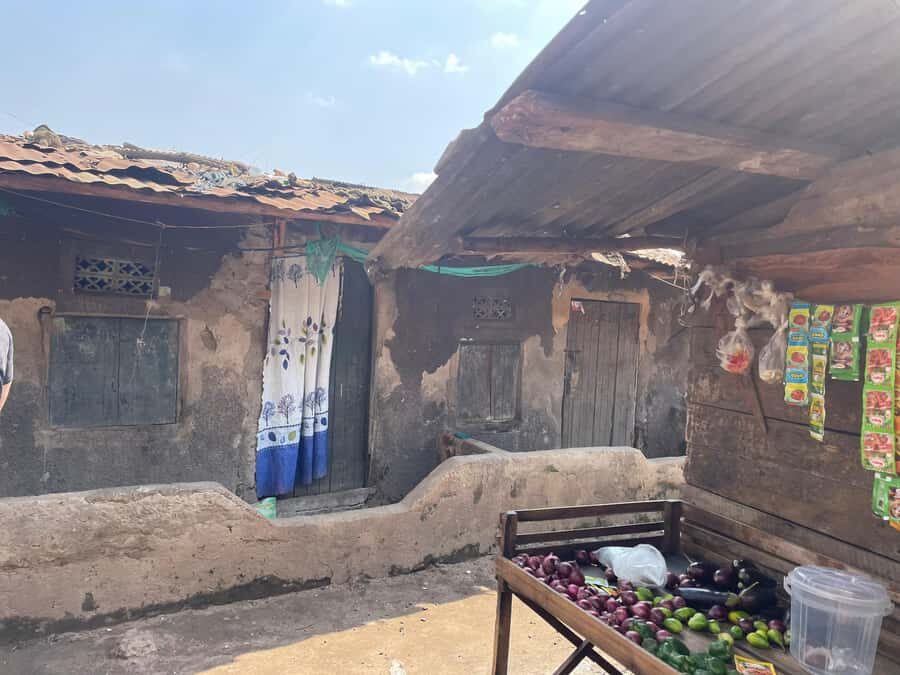
As you move deeper, you may visit local community spaces such as homes, a church, and schools or youth-focused sites. In past walks, guests have described being welcomed into multiple settings—not just a quick external look.
This is where the tour stops being an abstract discussion of poverty and becomes a set of human stories. You’ll likely hear how residents see education as a pathway out of repeated hardship, not as a distant ideal.
You may also notice how community life is organized around practical needs. Churches can be social hubs as well as spiritual spaces. Schools and youth projects often represent the next generation’s plans, and those plans can include real community support, not just hope.
One important attitude to bring: think of yourself as a visitor in someone’s neighborhood. Keep questions kind and specific. If your guide encourages observation more than filming, follow that cue. It tends to keep relationships respectful.
Small businesses and artisans: chapati sizzling and scrap-to-craft creativity
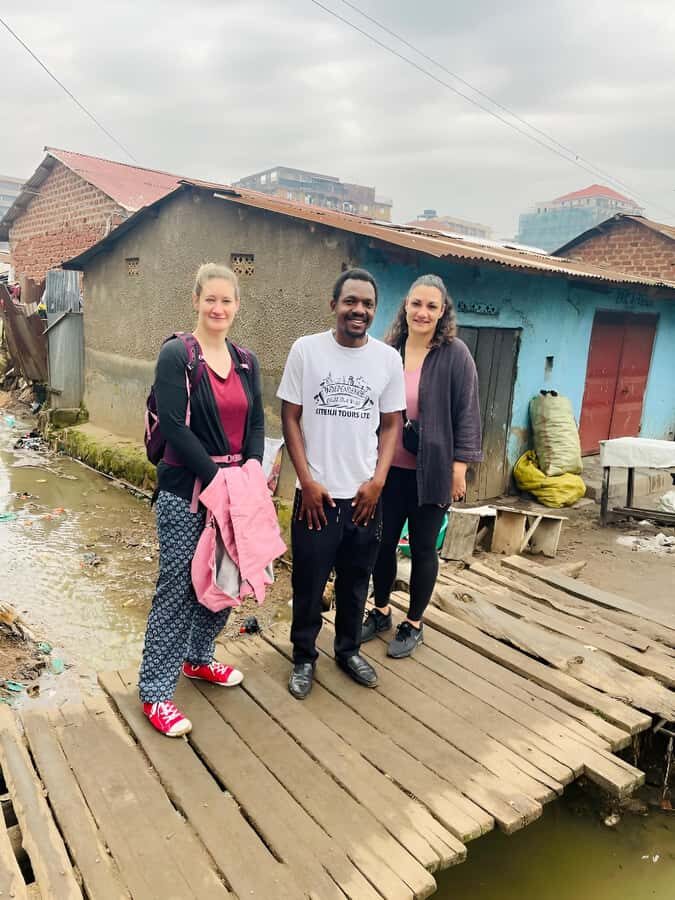
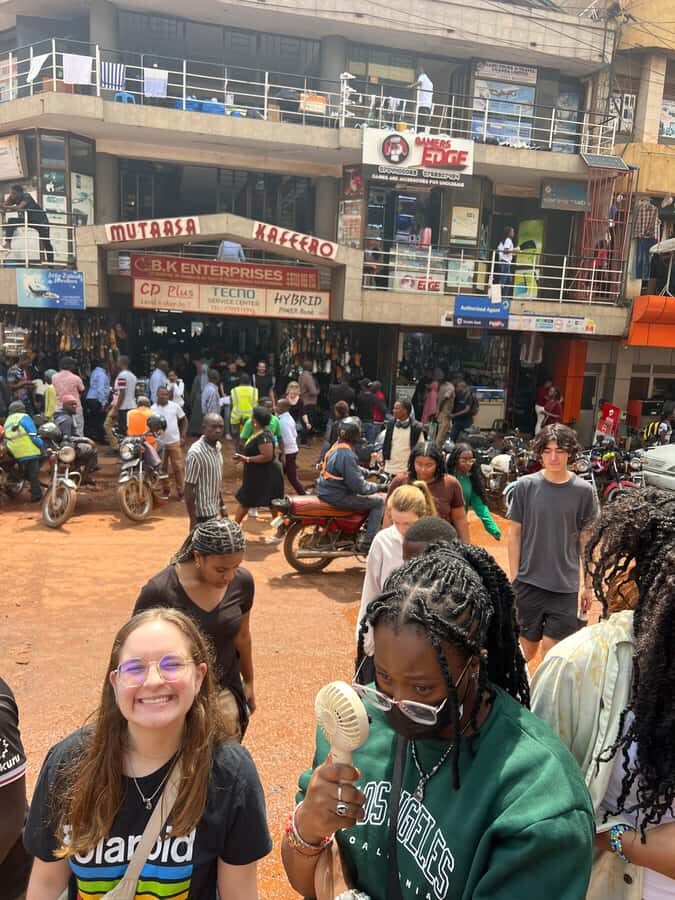
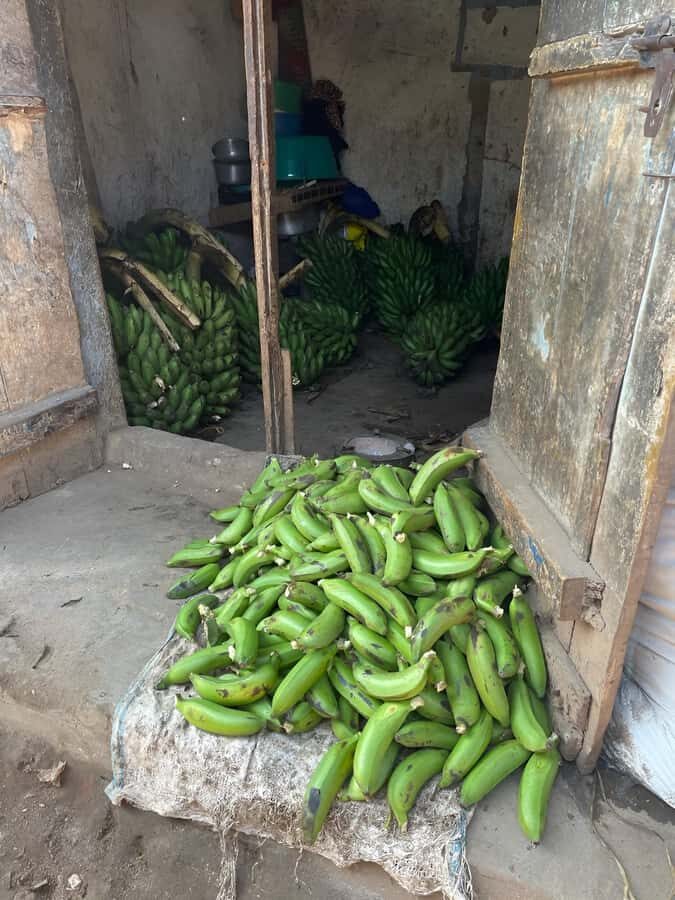
One of the most memorable parts of the walk is the local economy you can actually see. You may pass food stalls where people are frying chapati, market vendors selling produce, and artisans making products through ingenuity.
The point isn’t to romanticize hardship. It’s to show the real engine of survival: people trading, producing, recycling, and adapting. In Katanga, creativity is often practical. Scrap becomes materials. Skills become income. A stall becomes a livelihood.
If you care about craft, food, or local entrepreneurship, you’ll likely feel like you’re watching a working system, not a display. And because you’re walking through it with a resident guide, you get context on what you’re seeing—how long it takes, who does what, and why certain businesses exist where they do.
You can also read our reviews of more guided tours in Kampala


The hard parts you’ll see: overcrowding, sanitation issues, and economic pressure
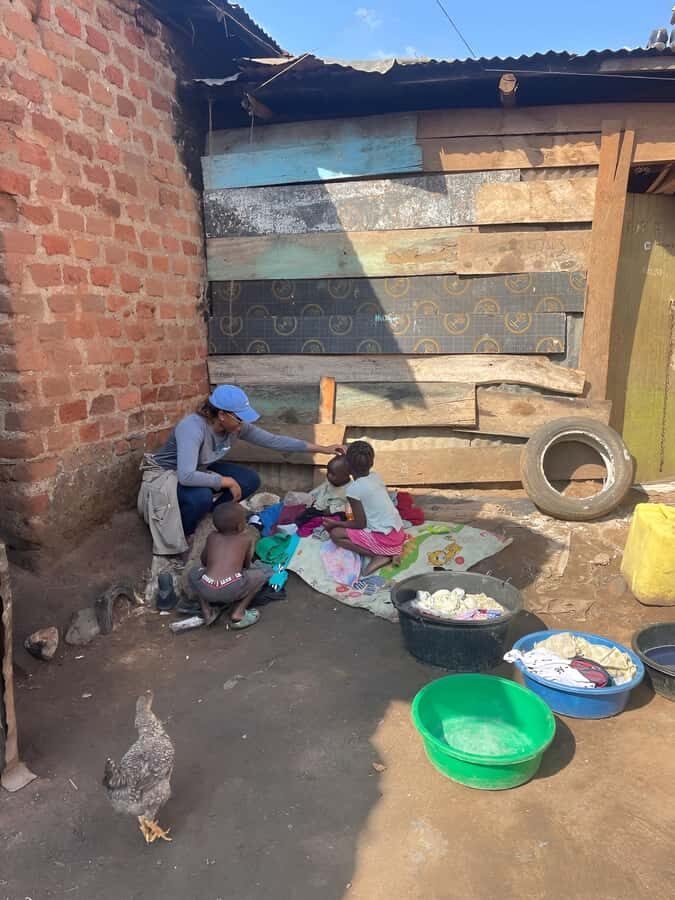
This tour doesn’t sugarcoat reality. You’ll encounter the hard components of informal settlements, including overcrowding and sanitation challenges, along with economic hardship.
It helps to prepare yourself for emotions. Some moments can feel uncomfortable—because they’re close. You’re not far enough away to stay detached. You’re walking next to the people living the situation.
At the same time, you’ll also witness resilience in everyday form: kids playing in improvised spaces, music coming from churches, and visible pride in the neighborhood. Those details matter, because they counter the idea that the only story worth telling is suffering.
When you leave, you should feel more informed, not pity-driven.
Safety and comfort: how the walk stays manageable
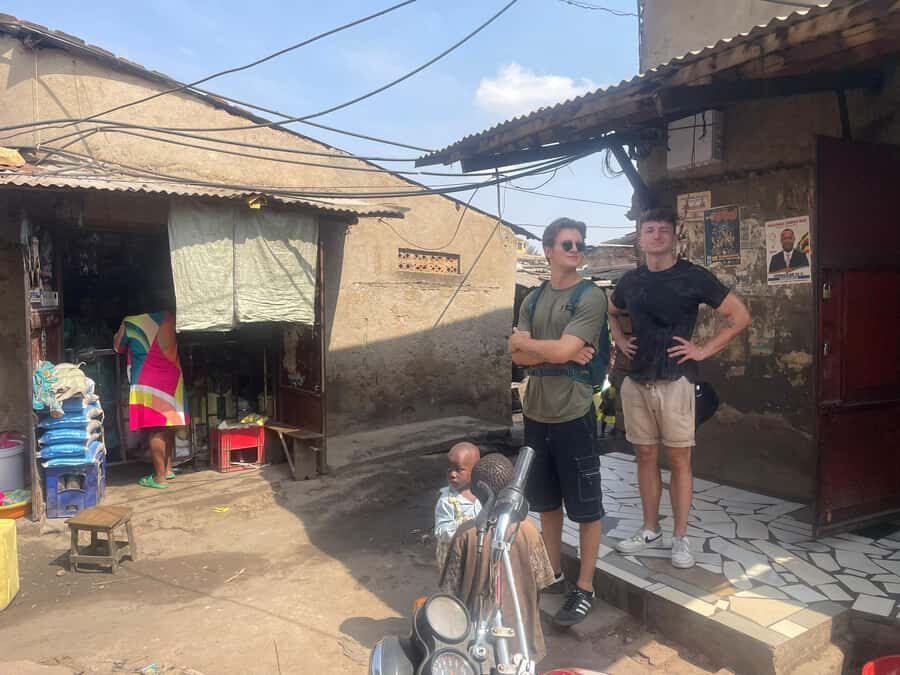
Safety is a common question with any guided visit to a dense urban neighborhood. The tour is designed to be walked with your guide and kept small. Many past guests have described feeling safe and at ease when the guide is attentive and the group stays together.
You’ll also feel safer because your guide explains behavior expectations up front. That briefing reduces mistakes: you’ll know how to move, when to stop, and what to ask.
Still, use normal common sense. Wear shoes with grip, keep your phone secured when moving through crowded spots, and follow your guide’s lead if you’re unsure about a moment.
Timing and logistics that affect your experience
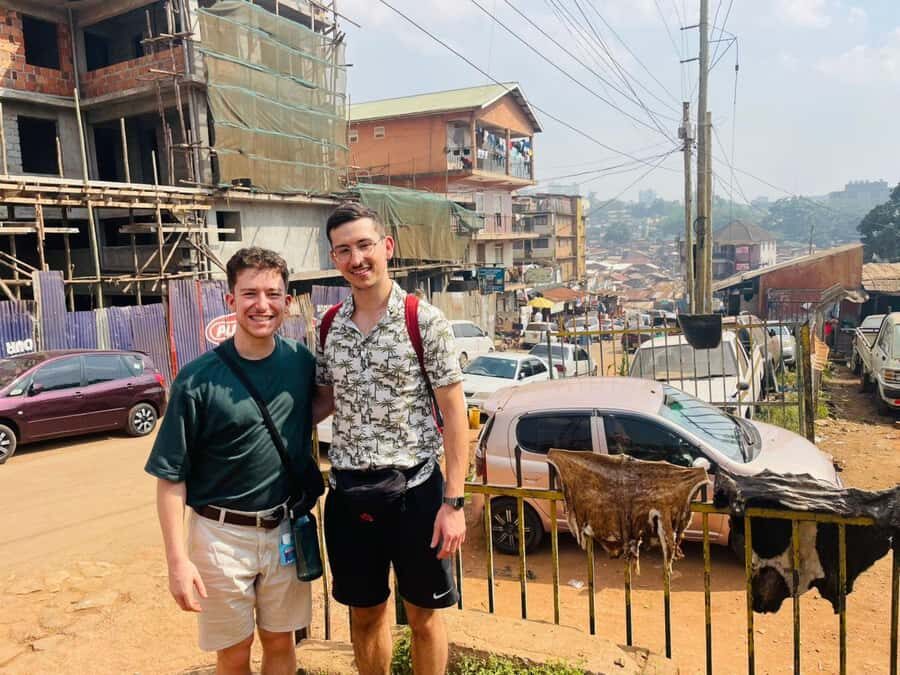
This walk lasts about 1.5 hours. That’s long enough to understand multiple stops, but short enough that you won’t feel trapped in a “slog” through difficult terrain.
It runs between 9 am and 7 pm, with your preferred start time confirmed after you book. That flexibility is helpful if you’re juggling Kampala traffic or connecting plans.
Bring comfortable shoes. It’s not optional. The walking is the point, and you want your feet to do it comfortably.
Meals and drinks aren’t included, so plan to eat before or after. If you’re sensitive to long walks on an empty stomach, treat this as a real activity, not a casual stroll.
Price and value: is $25 worth it?
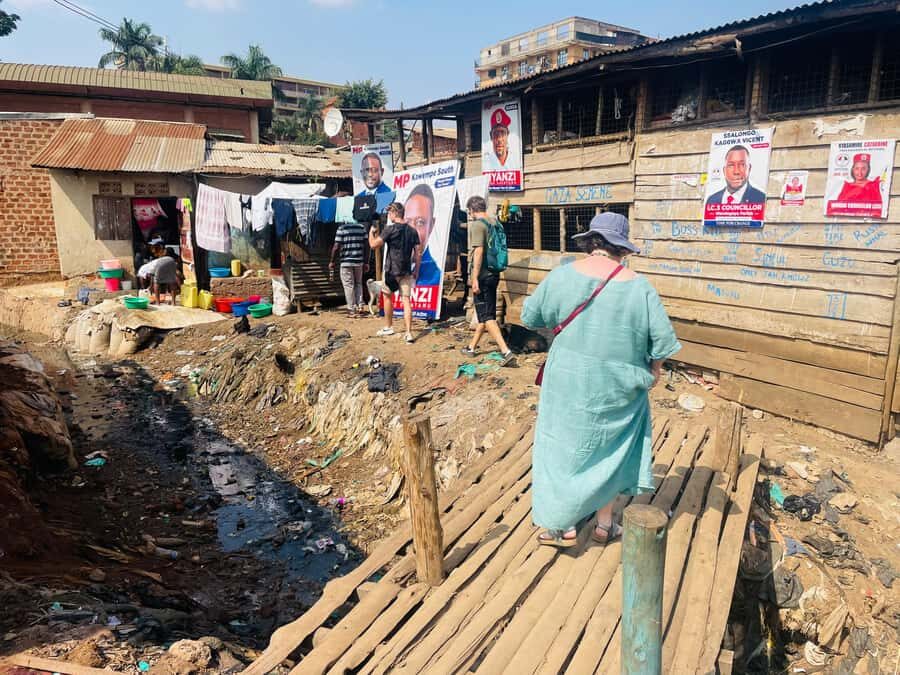
At $25 per person for about 1.5 hours, the value depends on your expectations. If you want a quick drive-by photo opportunity, it may feel expensive.
But if you want context, conversation, and access to parts of Katanga that you wouldn’t navigate alone, the price starts making sense. You’re paying for:
- A professional, English-speaking guide
- A small group limited to 6
- Time spent learning the settlement’s growth and daily routines
- Guided visits to community spaces (where available and appropriate)
It’s also worth thinking about how the experience connects to local projects. Proceeds often support community initiatives, so your fee can have a practical ripple effect beyond the walk itself.
In short: this is good value if you show up respectfully and engage with the guide. It’s not a cheap way to “see poverty.” It’s a guided understanding of urban inequality and resilience.
Who should book this tour (and who might pause)
This tour is a strong fit if you:
- Want a human, story-based view of Kampala beyond tourist neighborhoods
- Enjoy asking questions and learning how people adapt in real time
- Are interested in how education and youth projects intersect with daily life
- Appreciate small-group experiences where you can actually talk
You might pause if you:
- Have mobility issues (this tour isn’t suitable)
- Want a totally light, low-emotion outing (it includes difficult realities)
- Expect a purely scenic or hands-off experience
If you’re traveling with limited time but want depth, the 1.5-hour duration is also a plus.
Should you book the Kampala Katanga Slum guided walking tour?
If you’re curious about Kampala’s urban fabric and you’re willing to trade quick sightseeing for real understanding, I’d book this. The combination of small group size, a resident guide’s context, and firsthand access to community spaces is what makes it worthwhile.
Before you go, bring the right mindset: respectful questions, patience during crowded moments, and the willingness to sit with uncomfortable truths. If that sounds like your style of travel, this is an experience that can change how you see the city.
If you’re not comfortable with sensitive topics or you need mobility-friendly routes, skip it and look for an alternative Kampala experience that matches your needs.
FAQ
How long is the Katanga slum guided walking tour?
The tour lasts approximately 1.5 hours.
What time does the tour run?
It is available between 9 am and 7 pm, and a specific start time is confirmed after you book.
How many people are in a group?
The group is small, limited to 6 participants.
Where does the tour start and end?
It starts at Kitenji Uganda Safaris and Tours and returns there.
Is the live guide available in English?
Yes, the live tour guide speaks English.
Is the tour suitable for mobility impairments?
No, the tour is not suitable for people with mobility impairments.
What should I bring for the tour?
Wear comfortable shoes.
What is included in the price?
A professional guide is included.
Are meals or drinks included?
No, meals and drinks are not included.
Is free cancellation available, and can I reserve without paying today?
Yes. You can cancel up to 24 hours in advance for a full refund, and you can reserve and pay later (book your spot and pay nothing today).